This family vacations Europe ETIAS guide covers everything you need to know about traveling to Europe with ETIAS in 2026, including requirements, costs, and tips.
Europe hiking trails ETIAS: Key Takeaways
- Children under 18 need their own ETIAS authorization but the application fee is waived
- Each family member must have a separate ETIAS application linked to their individual passport
- Europe offers exceptional family destinations from theme parks to beach resorts to educational cities
- The 90/180-day rule applies to each family member individually, including children
- Many European attractions offer free or discounted entry for children, making family travel affordable
ETIAS for Children: What Parents Need to Know
This family vacations Europe ETIAS guide provides the latest 2026 information. Every traveler entering the Schengen Area needs ETIAS authorization, including infants and children. The good news is that children under 18 are exempt from the €20 application fee. However, each child must have their own valid passport and a separate ETIAS application. Parents or legal guardians can complete the application on behalf of minors.
| ETIAS factor | Detail | Cost / Time 2026 | For travellers |
|---|---|---|---|
| Application fee | EU Commission | €20 | Free for under 18 / over 70 |
| Processing time | Standard online | Minutes to 4 days | Apply 96 hours ahead |
| Validity | Multiple entry | 3 years or passport expiry | Whichever comes first |
| Maximum stay | Per 180-day period | 90 days | Schengen rolling rule |
| Coverage area | 30 European countries | Single authorisation | EU + Schengen-associated |

When applying for children’s ETIAS, you will need each child’s passport details, their relationship to the accompanying adult, and contact information for the parent or guardian. The application asks fewer questions for minors than for adults, and processing is typically quick. Apply for all family members’ ETIAS at the same time to ensure everyone is approved before travel.
ETIAS launches late 2026 — be first to know
One e-mail the day applications open. No spam.
Top Family Destinations in the Schengen Area
Europe offers incredible variety for family vacations. For beach holidays, the Greek islands, Spanish Costas, Portuguese Algarve, and Italian Sardinia combine safe swimming, warm weather, and family-friendly resort infrastructure. For cultural exploration, Rome’s Colosseum, Paris’s Louvre, and Athens’s Acropolis offer hands-on history lessons that captivate children of all ages.
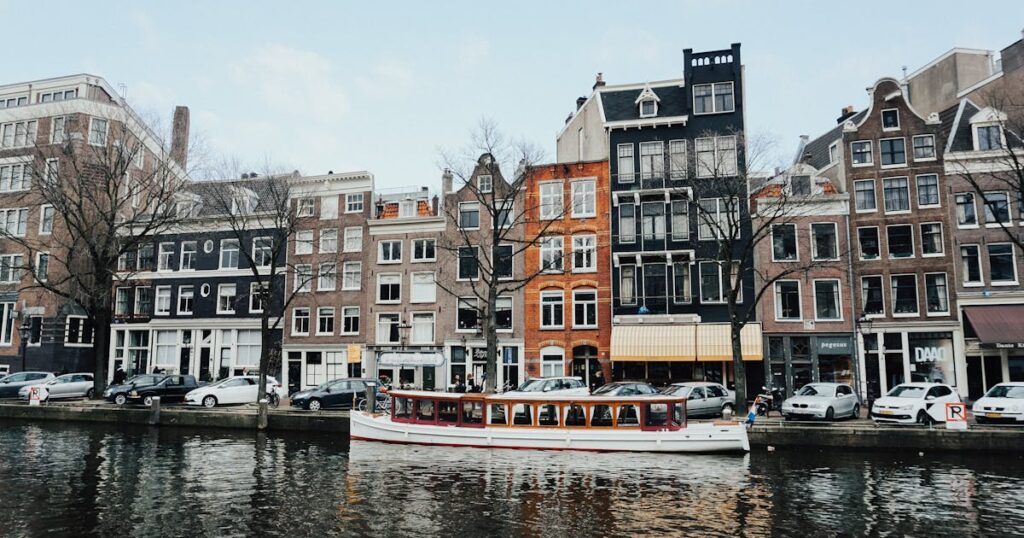
Theme park enthusiasts should consider Disneyland Paris, Europa-Park in Germany (Europe’s second most popular theme park), PortAventura in Spain, and Efteling in the Netherlands. For nature-loving families, the Norwegian fjords, Swiss Alps, and Croatian national parks provide outdoor adventures. Scandinavia offers unique experiences like visiting Santa Claus Village in Lapland, Finland.
Age-Appropriate Itinerary Planning
The ideal European family itinerary depends heavily on children’s ages. Families with toddlers (0–3 years) should prioritize beach destinations with calm waters, short driving distances between stops, and accommodation with kitchen facilities. Avoid overly ambitious multi-city itineraries that require frequent hotel changes and long travel days.
Understanding Europe hiking trails ETIAS requirements helps ensure smooth travel planning for your European trip in 2026.

For school-age children (4–12 years), interactive museums, castles, and outdoor activities work well. Many European museums have dedicated children’s sections with hands-on exhibits. Children aged 8 and older often enjoy city exploration by bike, which many European cities facilitate with safe cycling infrastructure. Teenagers appreciate the independence of European cities, the food culture, and the opportunity to practice foreign languages they may be studying at school.
Budget Tips for Family Travel in Europe
Traveling as a family in Europe requires budget awareness, but many cost-saving strategies can make it affordable. Children under 4 typically travel free on European trains, and children under 12 often receive 50% discounts. Many museums offer free entry for children under 18, and family tickets for attractions provide significant savings compared to individual adult prices.
Self-catering accommodation such as holiday apartments or Airbnb rentals saves substantially on food costs by allowing you to prepare some meals in-house. European supermarkets are excellent and affordable. In restaurants, many establishments offer children’s menus at reduced prices or allow children to share adult portions. Picnicking in Europe’s beautiful parks is both cost-effective and enjoyable.
Health and Safety Considerations
European countries maintain high health and safety standards. The European Health Insurance Card (EHIC) or Global Health Insurance Card (GHIC) provides coverage for EU citizens, but non-EU visitors should carry comprehensive travel insurance that covers all family members, including pediatric care. Pack a basic first-aid kit with any medications your children regularly need.
Europe is generally very safe for families, with low crime rates in tourist areas. Teach children basic safety awareness in crowded tourist sites. Most European countries use 112 as their emergency number. Pharmacies across Europe are well-stocked and pharmacists can provide advice and over-the-counter medications for common childhood ailments.
For the latest updates on Europe hiking trails ETIAS policies, always check official European Union travel authorization sources before your departure.
Flying with Children: European Airport Tips
Most major European airports have family-friendly facilities including play areas, family restrooms, and priority boarding for families with young children. When booking flights, choose seats together early and consider selecting rows near toilets for families with young children. Many European airlines allow families to board first.
At border control upon arrival, families can typically proceed together through the same passport check lane. Have all family members’ passports and ETIAS confirmations organized and readily accessible. Border officers are accustomed to processing families and the procedure is straightforward. For connecting flights within the Schengen Area, there are no further passport checks between Schengen countries.
Related ETIAS Articles
Learn more about ETIAS and European travel:
Official Sources & References
- Official ETIAS Website – European Commission
- EU – Travel with Non-EU Family Members
- Visit Europe – European Travel Commission
Frequently Asked Questions
Do babies need ETIAS?
Yes. Every person entering the Schengen Area, including infants, needs individual ETIAS authorization linked to their own passport. The application fee is waived for children under 18.
Can one parent apply for the whole family?
One parent can submit separate ETIAS applications for each family member but each person needs their own application. There is no group or family application option.
What documents do I need for children at the border?
Each child needs a valid passport with linked ETIAS authorization. If a child is traveling with one parent, some countries recommend carrying a consent letter from the absent parent. This is not universally required but can prevent delays.
Are European restaurants family-friendly?
Generally yes, especially in Southern Europe where dining with children is culturally normal. Many restaurants welcome families and offer children’s portions. In some countries, meal times tend to be later (8–9 PM in Spain), so plan accordingly for younger children.
Practical guide to ETIAS travel preparation
Effective European travel preparation begins with understanding ETIAS requirements. ETIAS (European Travel Information and Authorisation System) launches in late 2026 for citizens of approximately 60 visa-exempt countries including USA, Canada, UK, Australia, Japan, and South Korea. The fee is €20 for adults aged 18-70, free for those under 18 or over 70. Processing is fast — most applications are approved within minutes, but plan for up to 96 hours (4 days) for cases requiring manual review. Apply via the official EU ETIAS portal only — third-party services charging additional fees should be avoided.
For payment via the official ETIAS portal, all major Visa, Mastercard and AMEX cards are accepted globally. Have your passport, payment card and travel information ready before starting — the application takes approximately 10 minutes. The system asks about previous travel history, health declarations, criminal history (within 10-20 years depending on offense), and Schengen entry refusals. Honest declaration is critical — false statements lead to permanent denial and may affect future visa applications to other countries.
Once approved, ETIAS authorises multiple entries for 3 years (or until your passport expires, whichever comes first). The 90/180 Schengen rule still applies — you can stay maximum 90 days within any 180-day rolling period across all 30 ETIAS-required countries combined. ETIAS does NOT replace your need to follow this rolling period rule. Your authorisation is electronically linked to your passport — getting a new passport invalidates ETIAS, requiring re-application at €20. Keep approval email digitally and on paper as backup.
European travel tips and cultural awareness
European countries vary significantly in culture, language, and social norms. Mediterranean countries (Italy, Spain, Greece) have later meal times — dinner often after 21:00, with shops closing 13:30-17:00 for siesta. Northern European countries (Germany, Netherlands, Scandinavia) value punctuality strictly — being even 5 minutes late is considered rude. Tipping varies: France and Italy include service charge in restaurants (no extra needed), while Germany and Netherlands appreciate 5-10%. Card payments are widely accepted but cash is preferred in smaller establishments, especially in southern Europe.
For local transport, Eurail or Interrail passes offer flexibility for multi-country trips — €420 for 5 days in 1 month for adults. Major cities have excellent metros: Paris, Berlin, Madrid, Rome, Vienna, Amsterdam, Stockholm. Budget airlines (Ryanair, easyJet, Wizz Air, Vueling) offer cheap flights between cities, but watch baggage fees. For long-distance trains, the OBB-Nightjet sleeper trains connect major capitals. ETIAS countries include Schengen Area members plus Bulgaria, Romania (since 2024), Croatia, Cyprus and several non-EU members like Iceland, Norway, Switzerland, Liechtenstein.
Frequently asked questions about ETIAS
When does ETIAS launch and is it required now?
ETIAS launches in late 2026 for visa-exempt travellers to most European countries. The exact launch date is being confirmed by the EU Commission. Currently no application is required — you can travel to ETIAS-required countries visa-free under existing rules. We recommend bookmarking the official EU ETIAS portal and applying as soon as it goes live for your planned trip.
How much does ETIAS cost?
ETIAS costs €20 per person for adults aged 18-70. It is free for travellers under 18 years old or over 70 years old. The fee is paid online during application via Visa, Mastercard or AMEX. There are no extra fees if you apply directly via the official EU ETIAS portal. Beware of third-party websites charging “service fees” up to €80 — these are unnecessary and explicitly discouraged.
How long is ETIAS valid?
ETIAS is valid for 3 years from approval (or until your passport expires, whichever comes first). It permits multiple entries to all 30 ETIAS-required European countries. You can stay up to 90 days within any 180-day rolling period across all participating countries combined. This 90/180 rule is independent of ETIAS — it applies to all visa-exempt travellers regardless of authorisation type.
Which countries require ETIAS?
ETIAS applies to 30 European countries: all 27 EU member states except Ireland (Schengen rules apply to all), plus Norway, Iceland, Liechtenstein, Switzerland (Schengen-associated), and Cyprus. Ireland is NOT included as it is not part of Schengen — separate UK and Ireland travel rules apply. Always verify the latest list on the official EU ETIAS portal as countries may join or modify their participation.
Do US citizens need ETIAS?
Yes, all US passport holders will need ETIAS for travel to any of the 30 ETIAS-required European countries. The €20 fee applies to all US travellers aged 18-70. ETIAS is similar to the US ESTA system that the US requires for most international visitors — a pre-screening electronic authorisation. Currently US citizens travel to Europe visa-free, and ETIAS will add this online pre-screening step but does not replace the 90-day stay limit.
What if my application is denied?
If your ETIAS is denied, you will receive an email with the specific reason. Common rejection grounds include: prior immigration violations, incomplete travel history declarations, criminal record matches, or watch-list flags from EU databases (SIS, VIS, Europol, Interpol). You can appeal the decision or apply for a Schengen visa (€80) at the relevant embassy. Appeals must be filed within 30 days of rejection through the EU ETIAS portal.
 English
  Shqip
Shqip  العربية
  Français
  ქართული
  עִבְרִית
  简体中文
简体中文  香港中文
香港中文  繁體中文
繁體中文  Español
  Português do Brasil
  日本語
日本語  한국어
한국어  Bahasa Melayu
  Українська
  Română
  Српски језик
  Türkçe