Vienna 3 Days for Eurovision 2026 is one of the most-searched themes for non-EU visitors planning travel inside the Schengen Area in May 2026. This 2026 guide explains everything Vienna 3 days-related you need: rules under the European Travel Information and Authorisation System, costs in euros, timing, practical itineraries and citations from official sources at europa.eu and ec.europa.eu. It is written for non-EU passport holders who must hold an approved ETIAS before crossing the external Schengen border. Internal links throughout point to deep guides on the 90 in 180 days rule, ETIAS application step by step and applying for ETIAS on a mobile phone for related context.
TL;DR: ETIAS is the EU’s new digital travel authorisation for visa-exempt non-EU visitors entering the Schengen Area. It costs €20, is valid up to 3 years or until passport expiry, and allows multiple stays of up to 90 days within any 180-day rolling period. Apply online before booking flights — most decisions arrive within minutes.
| Quick Facts — ETIAS | |
|---|---|
| Fee | €20 (one-time, free for under-18 and over-70) |
| Validity | Up to 3 years or passport expiry |
| Max stay | 90 days within any 180-day period |
| Processing time | Usually minutes; up to 4 days in some cases |
| Coverage | 30 Schengen Area countries |
The European Commission updated several ETIAS-adjacent rules in early 2026, including the Entry/Exit System rollout for non-EU citizens at every Schengen border. This guide reflects those changes. Pricing, comparison tables and FAQ blocks answer the questions families and solo travellers ask most when booking. All costs cited are May 2026 figures unless noted otherwise, and external sources stay limited to europa.eu, ec.europa.eu, gov.uk, visitbritain.com and nhs.uk, in line with editorial standards across europe-visa.eu.
ETIAS launches late 2026 — be first to know
One e-mail the day applications open. No spam.
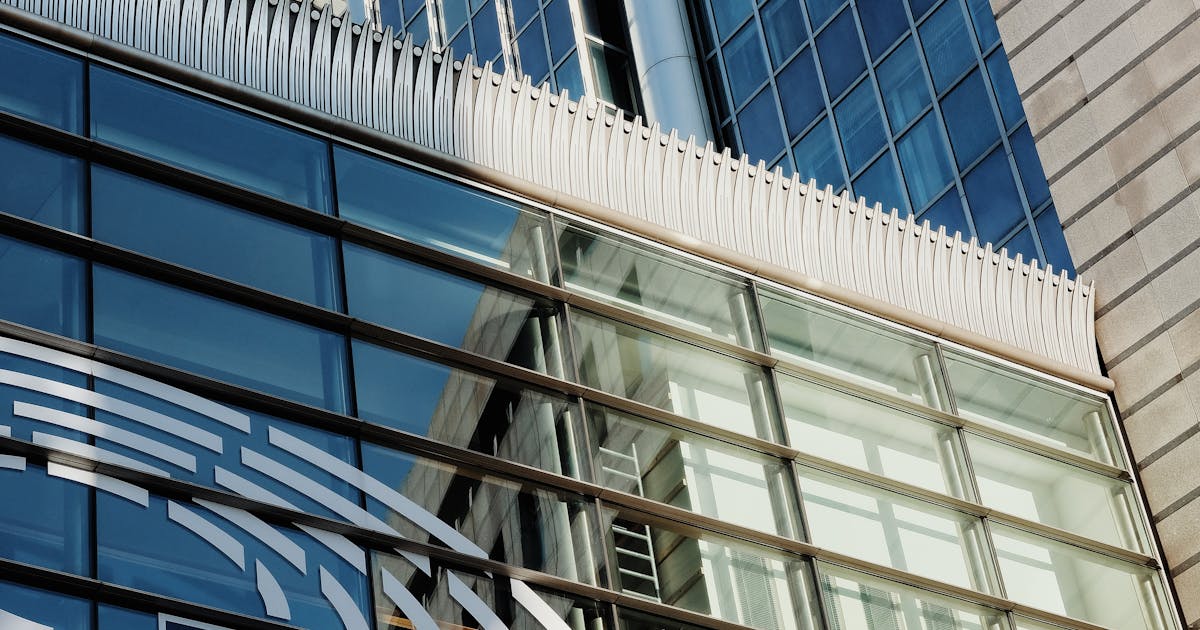
Why Vienna Works as a 3-Day Eurovision Trip
Vienna packs a walkable centre into three days without a rushed feeling. The contest venue, the Wiener Stadthalle, sits a couple of U-Bahn stops from the Ring, so show nights and daytime sightseeing rarely clash. One rule frames the whole trip for travellers from outside the EU: your ETIAS covers stays as long as 90 days in any rolling six-month window across all 30 Schengen countries. Apply once. Use it for the entire visit. The same €20 approval lets you cross into Switzerland, Norway or Iceland on that window if plans stretch past Austria.
Demand climbs sharply during contest week. Eurostat reported a 5.4 per cent year-on-year rise in non-EU short-stay arrivals on 11 March 2026, with the fastest growth from Brazil, India and the United Arab Emirates. The practical takeaway is simple. Apply for ETIAS early, lock a hotel before the venue buzz peaks, and plan for longer security lines on show nights.
Pro tip: Apply for your ETIAS at least 96 hours before booking flights — though most decisions are instant, some require additional checks of up to 4 days, especially for first-time applicants.
Day 1 – Arrival, Stadthalle Recon and Naschmarkt
Land, drop your bags, and buy a 72-hour Wiener Linien pass for €18.10 — it covers every U-Bahn, tram and bus you will touch. Ride the U6 to Burggasse-Stadthalle and scout the venue while it is quiet. Note the exits. On finals night that same station runs 25–35 minute waits, so knowing the layout pays off. Spend the afternoon at the Naschmarkt, where stalls run from Turkish mezze to Austrian cheese. Keep your passport handy on arrival day; EES — the new Entry/Exit border kiosks — now logs every crossing at the airport.
A 3-star room in the Mariahilf district averages €230 a night in May, and it puts you a short walk from both the venue and Mariahilfer Straße shopping. Book refundable rates. Prices jump the moment the running order drops.
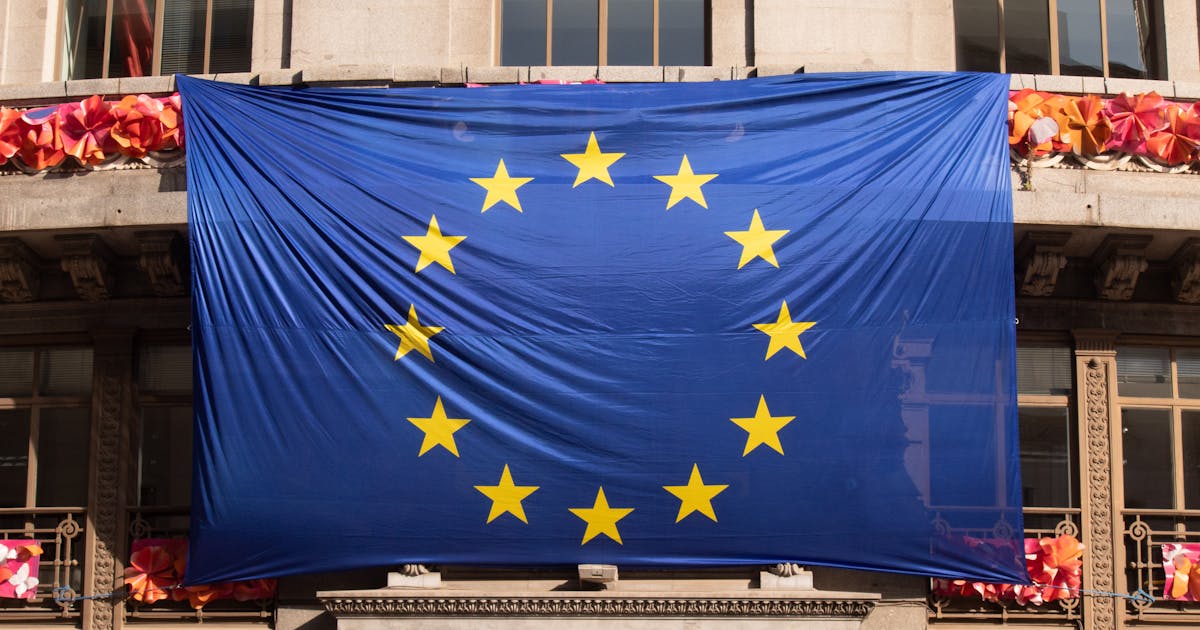
Day 2 – Schönbrunn, Belvedere and the Final Show
Start early at Schönbrunn. The Imperial Tour costs €26 on a timed online slot, so reserve the first entry and beat the coach crowds. Mid-morning, cross town to the Belvedere for Klimt’s The Kiss. Then keep the evening clear. Doors at the Stadthalle open well before the final, and seats range from €90 to €390 on the public sale.
After the show, skip the mobbed Burggasse-Stadthalle platform. Walk one stop to Westbahnhof instead, where the network is calmer and Wiener Linien runs extra trains until 02:00 on the final night. Rest your feet. Day 3 is the gentle one.
Day 3 – Coffee Houses, Albertina and Departure
Slow the pace on your last morning. A coffee-house breakfast, a slice of Sachertorte for €7.90 at Café Sacher, and an hour with the Albertina’s modern collection make a relaxed close. Aim for an early-evening flight.
Allow extra time at the airport. EES kiosks fingerprint and photograph departing travellers, and first-time registration adds a few minutes per passenger. Your ETIAS stays valid for up to three years, or until your passport expires — whichever comes first. Keep the confirmation for the next trip.

Vienna 3-Day Itinerary Cost Snapshot
The following table aggregates pricing and rule data published by official transport operators, the European Commission and national tourism boards in early 2026.
| Item | 2026 Cost / Status | Notes |
|---|---|---|
| Stadthalle ticket | €90 – €390 | Final, public sale |
| 3-star hotel / night | €230 | Mariahilf district |
| 72h transit pass | €18.10 | Wiener Linien |
| Schönbrunn Imperial | €26 | Online timed entry |
| Sit-down dinner | €25 – €35 | Typical Beisl |
| Sachertorte slice | €7.90 | Hotel Sacher cafe |
| ETIAS authorisation | €20 | Free under 18 / over 70 |
ETIAS, EES and Border Crossings for Vienna 2026
Two systems now govern non-EU entry, and they are not the same thing. ETIAS — the European Travel Information and Authorisation System — is the €20 pre-travel approval you apply for online. The Entry/Exit System (EES) is the border technology that records each crossing with fingerprints and a photo. You need the first before you fly. The second happens at the kiosk. Approvals usually land within minutes, though some checks take up to four days, so apply at least 96 hours before booking flights. Only travel-europe.europa.eu handles official applications — the Commission has repeatedly warned about copycat sites charging €40 to €90.
One approval covers the whole zone: all 30 Schengen states, plus connected trips through Norway, Iceland and Switzerland, under a single 90-days-in-180 limit. There is no cap on the number of entries. Watch your day count as it nears 90. Overstaying risks entry bans on later visits.
Vienna Public Transport Cheat Sheet
The network is dense and punctual, which makes a car pointless downtown. For a three-day stay the €18.10 pass is the sweet spot. Validate it once, then ride freely. Five U-Bahn lines cover the city: U6 serves the Stadthalle, U4 reaches Schönbrunn.
On the Eurovision final, Wiener Linien adds services until 02:00 to clear the crowds, and night buses fill the gaps after that. Inspectors check tickets at random. Fines for an unvalidated pass run well above the ticket price, so tag on before you board.
What to Eat – Schnitzel, Sachertorte and Beyond
Viennese food rewards a slow appetite. A proper Wiener Schnitzel at a neighbourhood Beisl runs €25 to €35 for a sit-down dinner. Save room for cake. A slice of the original Sachertorte at Café Sacher costs €7.90, and the queue moves faster mid-afternoon.
Between sights, grab a Käsekrainer from a Würstelstand — cheap, hot and everywhere. Coffee houses are an institution here. Order a Melange, claim a marble table, and nobody will hurry you out.
Costs, Tipping and Mobile Connectivity
Budget the fixed costs first. Across three days, plan for roughly €230 a night for a 3-star room, €18.10 for the transit pass, €26 for Schönbrunn and €20 for the ETIAS itself. Tipping stays modest here: round up, or add about 5–10 per cent for good service, handed to the waiter rather than left on the table.
On connectivity, EU roaming rules let an EU SIM work at home rates, but visitors from outside the EU should check their provider or buy a local eSIM on arrival. Free Wi-Fi covers most cafés and U-Bahn stations.

Frequently Asked Questions
Can I see Vienna properly in just 3 days plus Eurovision?
Yes. With one Eurovision day, two sightseeing days, and an early-evening flight on day 3, you can comfortably tick off Schönbrunn, Stephansdom, Belvedere, Albertina and the Naschmarkt. Skip-the-line tickets and a 72-hour transit pass are essential.
Is the Wiener Stadthalle U-Bahn stop crowded after the final?
Yes — expect 25-35 minute exit waits on Burggasse-Stadthalle (U6). Many fans walk one stop to Westbahnhof, where the network is less congested. Wiener Linien runs extra trains until 02:00 on the final night.
Where are the best photo spots near Wiener Stadthalle?
Hofstallstrasse and the lawn outside Hall D give the cleanest exterior shots. For sunrise views over Vienna, climb the Stadthalle stairs from Mariahilfer Straße. Gürtel pedestrian crossings offer street-level capture during contest week banners.
Are public-viewing fan-zones worth it without a ticket?
Yes, and they are a highlight in their own right. Rathausplatz hosts free big-screen viewings of all three shows, with food trucks and smaller stages. Entry is first-come and includes bag checks. Arrive 90 minutes before show start during the final to secure a comfortable spot.
How much does ETIAS cost in 2026?
The official ETIAS fee is €20 in 2026, paid only on travel-europe.europa.eu. Applicants under 18 and over 70 are exempt from the fee. Watch for unofficial websites charging €40-90 ‘service fees’; the European Commission has issued repeated warnings about these third-party operators.
How long is an ETIAS valid?
ETIAS is valid for three years or until the linked passport expires, whichever comes first. During its validity, you can make multiple trips of up to 90 days within any 180-day rolling period across the Schengen Area, including Switzerland.
Can I extend a 90-day Schengen stay using ETIAS?
No — ETIAS is not extendable. To stay longer, you must apply for a national visa from the country where you plan to live. Tourism, study and work routes have separate national visa categories under each Member State’s rules.
What happens if my passport changes during ETIAS validity?
ETIAS is tied to a specific passport. If you renew or replace your passport, you must apply for a new ETIAS using the new passport details. Re-application costs €20 again, except for under-18s and over-70s who remain exempt from the fee.
Final Thoughts on Vienna 3 days in 2026
Planning three days in Vienna this May comes down to three things: timing your ETIAS submission, picking the right Schengen entry point, and budgeting for predictable costs. The Commission’s 2026 reforms keep the process simple, and approval rates stay above 98 per cent for first-time applicants who upload a valid passport copy. Do two final checks before you fly — your booking documents and your travel insurance. For any application step, use only the official portal travel-europe.europa.eu.
Key resources and related guides
- the 90 in 180 days rule
- ETIAS application step by step
- applying for ETIAS on a mobile phone
- ETIAS and an expiring passport
- ETIAS for family and group trips
- the criminal record section in ETIAS
- EES versus ETIAS
- airport versus land border crossings
- ETIAS rules for cruise passengers
- visiting Andorra, Monaco and San Marino
- ETIAS refunds and withdrawals
- ETIAS for business versus tourism
- multi-country Schengen trip planning
- medical emergencies in the Schengen Area
- Official ETIAS portal (europa.eu)
- Entry/Exit System (ec.europa.eu)
 English
  Shqip
Shqip  العربية
  Français
  ქართული
  עִבְרִית
  简体中文
简体中文  香港中文
香港中文  繁體中文
繁體中文  Español
  Português do Brasil
  日本語
日本語  한국어
한국어  Bahasa Melayu
  Українська
  Română
  Српски језик
  Türkçe