If the Acropolis is calling, ETIAS for Athens is the pre-travel authorisation most visa-exempt visitors will need from the system’s expected Q4 2026 launch. This guide explains who needs it, the €20 fee, how to apply online, and how to plan a Greek capital break around ancient sites, island ferries and the best times to beat the summer heat.
TL;DR: Most non-EU, visa-exempt travellers will need an ETIAS authorisation to enter Greece once the system launches in late 2026. It costs €20, is valid for three years, allows stays of up to 90 days in any 180-day period, and is usually approved within minutes online.
| Quick Facts | Detail |
|---|---|
| Fee | €20 (free for under-18s and over-70s) |
| Validity | 3 years, or until your passport expires |
| Maximum stay | 90 days within any 180-day period |
| Processing time | Usually minutes; allow up to 30 days |
| Launch | Expected Q4 2026 |
Athens is the gateway to mainland Greece and the islands, so understanding the entry rules matters before you book ferries and flights. For the bigger picture, start with our overview of what ETIAS is and the detailed ETIAS cost guide for 2026.
ETIAS launches late 2026 — be first to know
One e-mail the day applications open. No spam.
Do you need ETIAS for Athens in 2026?
You will need an ETIAS authorisation if you hold a passport from a visa-exempt country such as the United States, Canada, Australia, the UK or Japan and plan to enter Greece for tourism, business or transit. EU and Schengen nationals are exempt, as are travellers who already hold a valid Schengen visa.
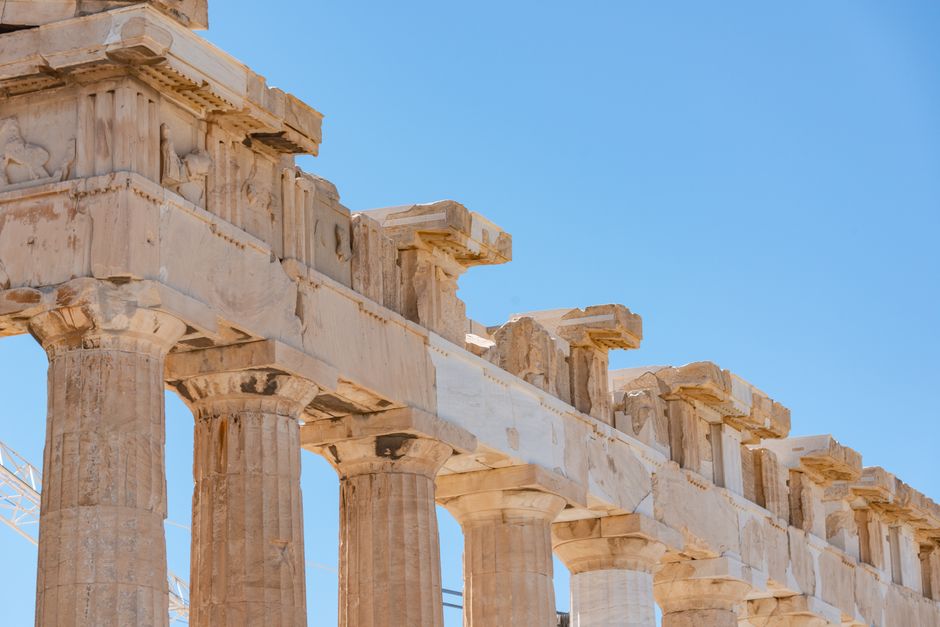
Greece has been part of the Schengen Area since 2000, and the European Commission confirms the zone now covers 29 countries as of January 2025 (European Commission, Schengen area). The official EU travel portal states that roughly 1.4 billion people from around 60 visa-free countries will fall under the scheme (EU ETIAS portal). To confirm whether it applies to you, check the EU’s who-should-apply guidance and our breakdown of ETIAS requirements and documents.
How much does ETIAS for Athens cost?
An ETIAS authorisation costs €20 per adult application, a fee the European Union confirmed in 2024. Travellers under 18 or over 70 pay nothing, and a single approved authorisation covers unlimited trips to Athens and the wider Schengen Area for three years, making it dramatically cheaper than a standard Schengen visa.
| Traveller | Fee | Notes |
|---|---|---|
| Adults (18–70) | €20 | Non-refundable |
| Children under 18 | €0 | Application still required |
| Adults over 70 | €0 | Application still required |
By comparison, a traditional short-stay Schengen visa costs €90 for adults as of 2024, so the new authorisation is a bargain for frequent visitors. For a full side-by-side look, read our ETIAS vs Schengen visa comparison. The €20 charge is non-refundable, so check your details carefully before paying.
How to apply for ETIAS for Athens
To apply for ETIAS for Athens you complete a short online form on the official EU website, pay the €20 fee, and wait for approval, which usually arrives within minutes. The whole process takes about 10 minutes and should be done at least 96 hours before departure, though applying earlier is strongly recommended.

- Gather your documents: a biometric passport valid for at least three months beyond your planned departure from the Schengen Area.
- Complete the form: enter your personal data, passport details, your first Schengen country of entry (Greece, if Athens is your gateway) and answer the security questions.
- Pay the €20 fee: by debit or credit card on the official portal.
- Wait for the decision: most are approved almost instantly, but the EU allows up to 30 days in complex cases.
Pro tip: Apply only through the official EU portal. Many copycat websites add inflated service charges for the same authorisation — the genuine price is fixed at €20. For a full walkthrough, see our step-by-step ETIAS application guide.
The EU stresses that ETIAS is a travel authorisation tied to your passport, not a visa (EU ETIAS – what it is). It works alongside the new Entry/Exit System, which began phased rollout in 2024 (EU Entry/Exit System); learn how they connect in our guide to the EES and ETIAS.
Best time to visit Athens
The best time to visit Athens is spring (April to early June) or autumn (September to October), when temperatures are comfortable and the ancient sites are less crowded. Midsummer regularly tops 35°C, and since September 2023 the Acropolis has capped daily visitors at 20,000, so book a timed slot well ahead for a 2026 summer trip.

Spring and autumn also align with quieter ferry schedules to the islands, while still offering warm seas into October. Whichever season you choose, your 90-in-180-day clock starts the moment you enter the Schengen Area, so track it carefully using our guide to the Schengen 90/180-day rule and compare seasons in our seasonal Europe guide.
Getting around Athens and beyond
Athens has a modern three-line metro that links the airport, city centre and the port of Piraeus, the launch point for ferries across the Aegean. Athens International Airport handled roughly 28 million passengers in 2024 and connects the capital directly to long-haul and European routes, making it an ideal first stop on a Greek itinerary.

From Piraeus, high-speed ferries reach the Cyclades islands such as Mykonos and Santorini in two to five hours, so many travellers split their time between Athens and the islands on one authorisation. Because Greece sits inside the Schengen Area, you can fly on to Italy or Cyprus-bound routes without further border checks, though the Entry/Exit System logs each movement from 2026. For island planning, see our guides to visiting the Greek islands and Greek island ferry routes.
Within the city itself, most highlights cluster within walking distance of the historic centre. The Acropolis Museum, opened in 2009, displays more than 4,000 artefacts and sits a short stroll from the rock it celebrates, while the lively Plaka and Monastiraki districts overflow with tavernas, markets and rooftop bars facing the Parthenon. The pedestrianised Dionysiou Areopagitou promenade links the major ancient sites, so a single, well-organised day lets you see the Acropolis, the Ancient Agora and the Temple of Olympian Zeus on foot — another reason one authorisation goes a long way in the Greek capital.

Practical tips for your Athens trip
A little preparation makes Athens far smoother: carry your passport linked to your approved authorisation, buy a combined archaeological-site ticket to save money, and start sightseeing early to avoid both the queues and the midday heat that grips the city through the 2026 summer season.
- Travel insurance: ETIAS does not include health cover, so arrange a policy first — see our ETIAS travel insurance guide.
- Check entry rules: the UK Foreign Office keeps current Greek entry requirements (UK FCDO Greece travel advice).
- Plan island hopping: see our guide to island hopping in Europe before booking ferries.
- Mind passport validity: your ETIAS becomes invalid the moment your passport expires, so renew early if needed.
Frequently Asked Questions
Is ETIAS for Athens mandatory in 2026?
Yes, once the system launches in late 2026, visa-exempt non-EU travellers must hold an approved authorisation before boarding a flight or ferry to Athens. An initial grace period will apply, but applying is quick and inexpensive.
How long does ETIAS approval take?
Most applications are approved within minutes. The EU advises allowing up to 96 hours, and in rare cases needing manual review the decision can take up to 30 days, so never leave it to the last moment.
How long is ETIAS valid?
An approved ETIAS is valid for three years or until your passport expires, whichever comes first. You can make unlimited trips to Athens during that time, subject to the 90-days-in-180 limit. See our ETIAS validity guide.
Can one ETIAS cover Athens and the Greek islands?
Yes. A single authorisation covers all 29 Schengen countries, including mainland Greece and its islands, so you can fly into Athens and ferry on to the Cyclades without applying again, subject to the 90-day limit.
Does ETIAS guarantee entry to Greece?
No. ETIAS authorises you to travel to the border, but the final decision rests with Greek border officers, who may ask for proof of accommodation, funds or onward travel.
Do children need ETIAS to visit Athens?
Yes, every traveller needs their own authorisation, but applicants under 18 are exempt from the €20 fee. A parent or guardian can apply on their behalf.
When should I apply for ETIAS before my Athens trip?
Apply as soon as your travel is confirmed and at least a few days before departure. Because the authorisation is valid for three years, there is no benefit to waiting.
Athens blends ancient wonders with a lively modern city and easy ferry links to the islands — and from late 2026, ETIAS for Athens will be a simple, €20 step before you arrive. Apply early through the official EU portal, book your Acropolis slot, and track your Schengen days so you can focus on history rather than admin.
Last updated: 2026-06-22 — verified against EU travel-europe.europa.eu schedule.
 English
  Shqip
Shqip  العربية
  Français
  ქართული
  עִבְרִית
  简体中文
简体中文  香港中文
香港中文  繁體中文
繁體中文  Español
  Português do Brasil
  日本語
日本語  한국어
한국어  Bahasa Melayu
  Українська
  Română
  Српски језик
  Türkçe