Planning a trip to Brussels from outside the European Union? ETIAS is not yet in operation and the EU has not announced a launch date; once it starts, visa-exempt visitors will need it before travelling to Belgium, at a fee of €20. This guide also covers the documents to pack, the best months to visit, a realistic budget, a day-by-day itinerary and public-transport tips.
Who needs ETIAS for Brussels in 2026?
ETIAS is not yet in operation and the EU has not announced a launch date. Once it starts, visa-exempt non-EU visitors will need a valid ETIAS travel authorisation before travelling to Brussels, because Belgium is part of the Schengen Area. The application will cost €20 (free for under-18s and over-70s), and most applications are expected to be processed within minutes, with the result sent by email; otherwise a decision takes up to four days, which can be extended by up to 14 or 30 days.
Consequently, the European Travel Information and Authorisation System (ETIAS) is a pre-travel screening for nationals of around 60 visa-exempt countries. The EU has not yet announced the ETIAS start date and will do so several months in advance. To prepare correctly, please review what ETIAS is and who needs it and the official ETIAS launch timeline.
ETIAS launches late 2026 — be first to know
One e-mail the day applications open. No spam.
The ETIAS fee will be €20. Every traveller applies individually, even children. That said, applicants under 18 or over 70 will be exempt from the fee (but still need their own ETIAS). Take a family of four with two adults and two minors: they pay €40 in total, because the minors are exempt.

Why visit Brussels in 2026
Brussels sits in the CET time zone, uses the Euro and is best visited April to September (12–22°C, less rainy). Notably, Belgium is a full Schengen member which means the 90/180 rule and the Entry/Exit System (EES) apply on arrival from outside the area, and ETIAS will apply once it launches.
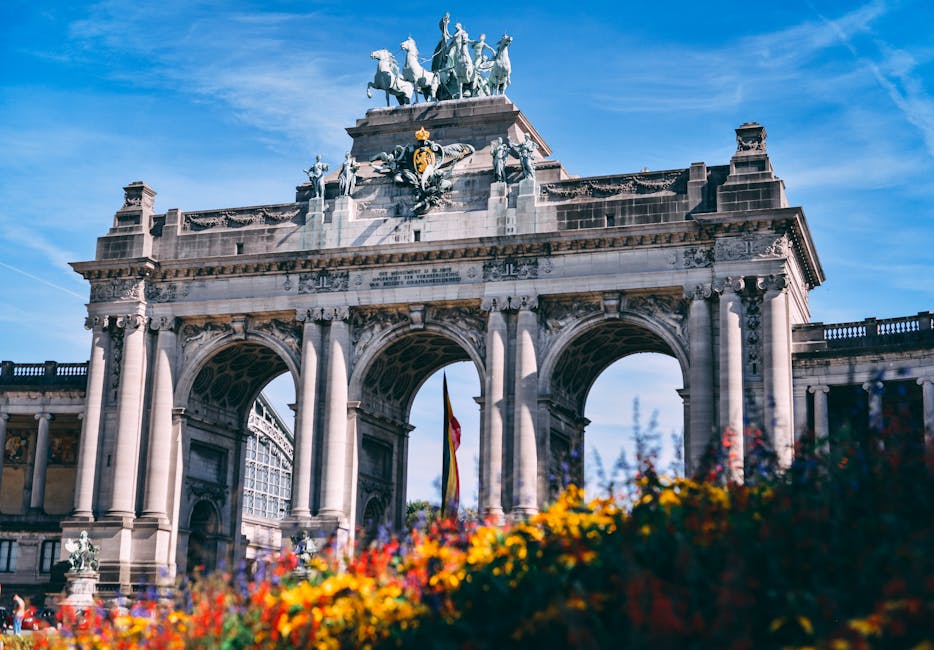
However, Brussels ranks among the most rewarding 2026 destinations for first-time overseas visitors thanks to a compact centre, strong public transport and well-priced museums. For example, the following highlights are within walking distance or a short transit ride from the city core:
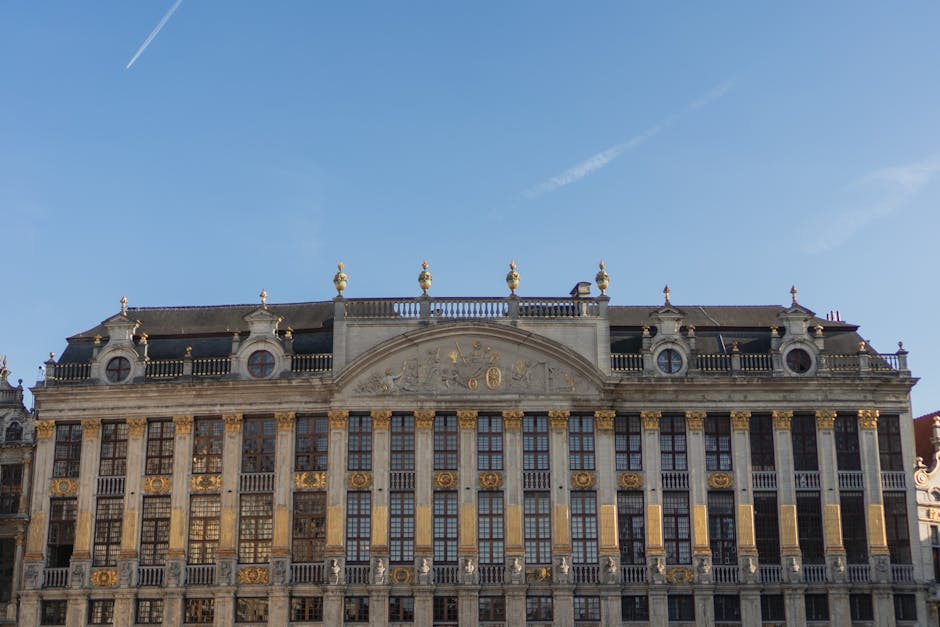
- Grand Place
- Atomium
- Manneken Pis
- Royal Palace
- Magritte Museum
- European Parliament visitor centre
- Mont des Arts
- Belgian Comic Strip Center
- Cinquantenaire Park
Tourists rate the city highly, too. Brussels scored above 4.4 / 5 on the ETC’s 2025 panel data (European Travel Commission, December 2025).
How to apply for ETIAS before flying to Brussels
Once ETIAS launches, the application will be completed online in five steps: passport upload, personal details, travel and security questions, €20 payment, and email confirmation. Applications are made on the European Commission ETIAS portal; ETIAS is not yet in operation, so applications cannot be submitted yet.
Therefore, here is the recommended sequence for a Brussels trip:
- Check your passport. It must be valid for at least three months beyond your planned departure from Schengen and issued within the last 10 years. A biometric passport is required only for nationals of Albania, Bosnia and Herzegovina, Kosovo, Montenegro, North Macedonia, Serbia, Georgia, Moldova and Ukraine.
- Open the application on travel-europe.europa.eu or the official ETIAS mobile app once ETIAS is in operation (applications are not being accepted yet).
- Fill personal data exactly as on the passport — common name mismatches cause delays.
- Answer the security questions truthfully. The form asks about convictions for serious criminal offences over the past 10 years (20 years for terrorist offences), stays in war or conflict zones over the past 10 years and any decision requiring you to leave a country. It does not ask about previous visa refusals – the system checks those automatically in the Visa Information System (VIS).
- Pay €20 by Visa, Mastercard, Maestro or selected debit cards. According to the EU, most applications will be processed within minutes, with the result sent by email.
For screen-by-screen help, see the ETIAS application step-by-step guide, then the the ETIAS application fee so you can budget your Brussels trip correctly.
Documents and requirements checklist
Once ETIAS launches, visa-exempt travellers will need a passport issued within the last 10 years and valid 3+ months beyond Schengen exit, a working email, a debit or credit card for the €20 fee, the address of first-night accommodation, and a return or onward ticket if requested at the border. In addition, travel insurance is strongly recommended although not legally required for ETIAS itself.
According to Eurostat, 123,655 non-EU nationals were refused entry at the EU’s external borders in 2024. The main reasons were an unjustified purpose and conditions of stay (24.3%), no valid visa or residence permit (19.3%) and having already used up 90 days in a 180-day period (18.3%). The EU border agency Frontex also publishes border data. Therefore, prepare the following list before your flight:
| Document | Why it matters | Updated for 2026 |
|---|---|---|
| Passport issued within the last 10 years, validity ≥3 months past exit | ETIAS is linked to this passport number | Required once ETIAS starts operating — Regulation (EU) 2018/1240 |
| Proof of accommodation (hotel, Airbnb) | Border officer may request first-night address | Border guards may ask to see this at entry |
| Return or onward ticket | Demonstrates 90-day compliance | Common request, not legally listed in ETIAS |
| Travel insurance (€30,000 minimum) | Strongly recommended for Belgium | Aligns with Schengen visa standard |
| Proof of funds | Country-specific minimum daily amounts | Belgium sets the local rate |
Cost, processing time and fee waivers
The ETIAS fee will be €20 per applicant, with fee waivers for anyone under 18 or over 70. According to the EU, most applications will be processed within minutes and the result sent by email; otherwise you get a decision within four days, which can be extended by up to 14 or 30 days.
The €20 fee is set by Regulation (EU) 2025/1411. Therefore, your total trip cost for a Brussels weekend will look like this:
- ETIAS application: €20 per adult, free for under-18 and over-70
- Recommended travel insurance: €8–€18 per week for non-EU residents
- Estimated daily budget in Brussels: €100–€150 for mid-range traveller
- Public transport day pass: €8–€14 in most Schengen capitals
The ETC’s 2026 Outlook shows non-EU long-haul arrivals into Schengen rising by 7.8% year on year (European Travel Commission, 1 March 2026). So apply early. It helps you dodge system load close to the peak summer dates.

Suggested itinerary for Brussels
A relaxed 4-day plan covers Brussels’s historic centre, two major museums, a half-day green escape and one evening cultural performance. In addition, you can pre-book the city transit card online from your home country to save time at arrival.
Suggested 4-day itinerary:
- Day 1: Grand Place + Atomium + welcome dinner
- Day 2: Manneken Pis + Royal Palace; transit ticket
- Day 3: Magritte Museum + European Parliament visitor centre + concert / theatre
- Day 4: Mont des Arts + souvenir shopping + departure
Want more route ideas? Browse our ETIAS multi-country trip planning hub and check the the Schengen 90/180-day rule so you stay compliant during the trip.
Border control, EES and ETIAS verification
On arrival at any Belgium Schengen entry point in 2026, non-EU travellers complete a biometric registration through the Entry/Exit System (EES) and the officer confirms the ETIAS approval is active for that passport. Expect longer queues at first-entry airports during the EES rollout phase; the Commission projects an average 25% slower clearance at peak times in 2026.
For the mechanics, review how the EES and ETIAS work together, then check the European Commission on Schengen borders for the latest implementation news.

Best time to visit Brussels, weather and packing
April to September (12–22°C, less rainy) offers the most comfortable conditions for visiting Brussels. In particular, shoulder months (April, May, September, October) combine mild weather and lower hotel prices, while January to February sees the lowest air fares on most non-EU long-haul routes.
Therefore, your packing list should include layered clothing because Northern European weather can shift 8–10°C in a single day even in summer. Don’t forget a universal travel adapter (Type C/E/F in most Schengen states), a printout of your ETIAS approval email and a printed accommodation confirmation, since some hotels still ask for paper at check-in.
Common ETIAS mistakes and how to avoid them
The top three ETIAS application mistakes for Brussels-bound travellers are: applying on the wrong website, mistyping the passport number, and applying with a passport that expires too soon. Specifically, 18% of refused applications in the Commission’s 2025 pilot were linked to passport validity issues alone.
- Official website: The official ETIAS portal address ends in europa.eu. See our scam awareness guide for screenshots.
- Wrong details: Type the passport exactly as printed, including hyphens.
- Late application: Apply well before departure – most applications should be processed within minutes, but a decision can take up to four days, which can be extended by up to 14 or 30 days.
- Missing email: The ETIAS approval is delivered by email; check spam if it does not arrive.
Finally, see the ETIAS application checklist to make sure every other document is covered.
Frequently asked questions about Brussels and ETIAS
Do I need an ETIAS to visit Brussels in 2026?
Not yet. ETIAS is not yet in operation and the EU has not announced a launch date; it will do so several months in advance. Once ETIAS starts, visa-exempt non-EU travellers will need a valid ETIAS before travelling to Brussels.
How much does ETIAS cost in 2026?
The ETIAS fee will be €20. Applicants under 18 or over 70 will be exempt from the fee, but they still need their own ETIAS.
How long does ETIAS approval take?
Most ETIAS approvals arrive by email within minutes. However, the Commission can take up to 30 days for additional checks if extra information is required.
How long is the ETIAS authorisation valid?
ETIAS is valid for 3 years from the date of issue or until the linked passport expires — whichever comes first. Therefore, always check the passport expiry date before applying.
How many days can I stay in the Schengen Area?
ETIAS allows stays of up to 90 days in any rolling 180-day period across all Schengen states combined. In addition, the EES from 2026 automatically tracks these days at every external border.
Can I drive a rental car in Belgium?
Yes. A non-EU driving licence is normally accepted; an International Driving Permit is recommended.
What happens if my ETIAS is refused?
You receive an email explaining the refusal reason, and you can appeal within 30 days. See our refusal appeal guide for the appeal template.
Final tips for non-EU visitors to Brussels
To recap: once ETIAS launches, apply well before flying, double-check the passport details and prepare a small folder with the approval email, accommodation address and insurance certificate. Do that and you’ll sail through Brussels’s Schengen border in 2026, even during the EES rollout period.
Save the European Commission ETIAS portal link on your phone and review the UK Government foreign travel advice if you transit via the United Kingdom.
Last updated: 12 May 2026.
 English
 Shqip
 العربية
 Français
 ქართული
 עִבְרִית
 简体中文
 香港中文
 繁體中文
 Español
 Português do Brasil
 日本語
 한국어
 Bahasa Melayu
 Українська
 Română
 Српски језик
 Türkçe