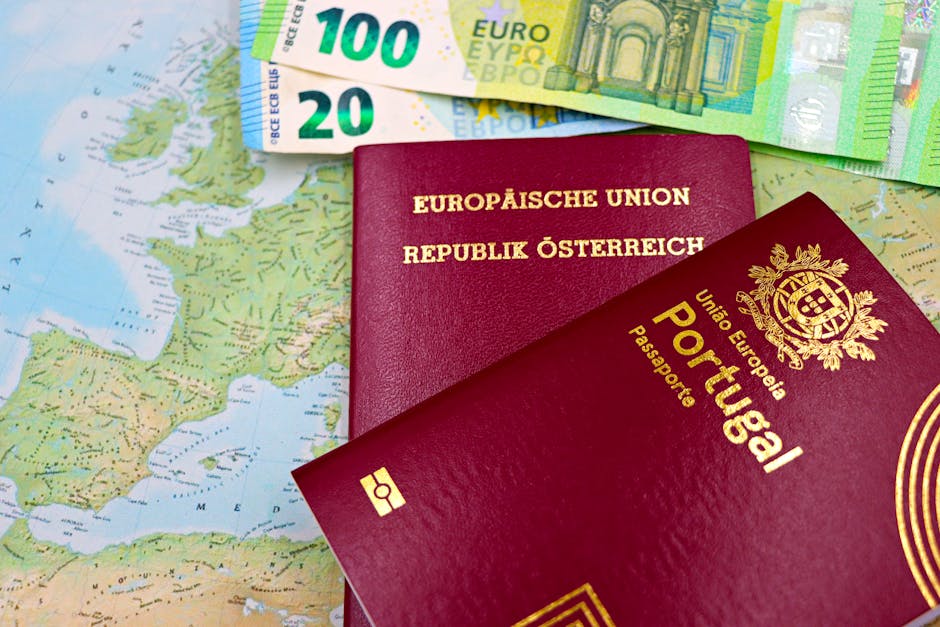
From 2026 the ETIAS application fee climbs to €20, almost tripling the figure that was first announced when the scheme was designed. If you are a visa-exempt traveller planning a trip to the Schengen Area, this guide explains exactly what changed, who has to pay the higher amount, who stays exempt, and how to plan your budget without falling for overpriced third-party sites.
TL;DR: ETIAS now costs €20 per application under the 2026 pricing, up from the original €7. That authorisation stays valid for as long as three years, or until your passport expires, covers unlimited short stays, and costs nothing for travellers below 18 or past their 70th birthday. You pay once, by card, on the official EU portal.
ETIAS launches late 2026 — be first to know
One e-mail the day applications open. No spam.
Quick Facts
| Item | Detail |
|---|---|
| New fee (2026) | €20 per application |
| Previous planned fee | €7 |
| Exempt travellers | Under 18 and over 70 — €0 |
| Validity | Up to 3 years or passport expiry |
| Stay permitted | 90 days in any 180-day period |
| Payment | Debit or credit card, paid once |
For the full background on how the charge fits into the wider scheme, see our complete ETIAS cost guide and the explainer on what ETIAS actually is.
Why the ETIAS fee increased to €20

When ETIAS was first legislated, the per-application charge was set at €7. The European Commission later proposed raising it to €20 to bring the scheme into line with comparable travel authorisations operated by other countries and to reflect inflation and the real running costs of the system since the original figure was fixed. The United States ESTA and the United Kingdom ETA both sit in a similar price band, so the revised €20 keeps ETIAS broadly competitive rather than expensive. You can read the reasoning on the European Commission ETIAS pages.
| Authorisation | Approx. fee | Validity |
|---|---|---|
| ETIAS (EU) | €20 | Up to 3 years |
| UK ETA | £20 | 2 years |
| US ESTA | $40 | 2 years |
Who pays the new ETIAS price and who is exempt
Every visa-exempt traveller aged 18 to 69 pays the €20 fee when they apply. The charge is per person, so a couple pays €40 and each adult in a group submits and pays separately. Two groups remain completely exempt and pay nothing: anyone aged under 18 and anyone over 70 on the date they apply. They still need a valid ETIAS — the exemption is from the fee, not from the authorisation itself. Families travelling with children should read our notes on ETIAS for families and children before they apply.
Pro tip: The €20 charge is only ever collected through the official EU system. If a website quotes €60, €80 or more, you are looking at a third-party agent adding a service margin — see our warning on fake ETIAS websites before you pay.
How to pay the ETIAS fee step by step
Paying is the final stage of the application and takes a couple of minutes:
- Complete your application on the official portal with your passport, contact and travel details.
- Review the summary and confirm every field matches your passport exactly before you reach the payment screen.
- Enter card details — a debit or credit card in your name is accepted; the €20 is taken once.
- Save the confirmation email with your application number in case you need to check your status later.
For the wider process, follow our step-by-step ETIAS application guide and the page on accepted ETIAS payment methods.
Budgeting for a Schengen trip after the increase

An extra €13 per adult is modest against the total cost of a European holiday, but it is worth folding into your planning, especially for larger families and group tours. Because the authorisation runs for as long as three years, the real cost per trip falls every time you reuse it — a frequent visitor who travels twice a year effectively pays a few euros per journey. Keep your passport valid well beyond your travel dates, because ETIAS expires the moment the linked passport does. See how long ETIAS stays valid for the details.
- Tip 1: Apply early — the price is the same whether you apply weeks ahead or at the last minute, but early applications avoid stress if extra checks are needed.
- Tip 2: Budget €20 per paying adult and €0 for children and seniors, and check the list of nationalities that need ETIAS.
- Tip 3: Never pay more than €20 on the official site; compare options at the SchengenVisaInfo ETIAS hub if you are unsure.
ETIAS in the wider context of the EU border overhaul
The price change does not happen in isolation. ETIAS is one half of a two-part modernisation of the EU’s external borders, working alongside the Entry/Exit System (EES) that records when non-EU travellers cross in and out of the Schengen Area. EES replaces manual passport stamping with a digital record of entries, exits and biometric data, while ETIAS handles the advance authorisation that visa-exempt visitors must hold before they board. Understanding that the two systems are separate but complementary helps explain why the EU has invested in raising the ETIAS fee: the revenue supports the infrastructure, staffing and security databases that keep both systems running. The official EU ETIAS portal sets out how the schemes interlock, and our overview of what ETIAS is puts the authorisation in plain terms.
For travellers, the practical takeaway is that the €20 you pay is not simply a tax on travel — it funds the automated security screening that, in most cases, returns an approval within minutes. Compared with the time and cost of a traditional consular visa, which can run to tens or hundreds of euros plus an in-person appointment, the ETIAS model remains dramatically cheaper and faster even after the increase.
How the higher fee affects different types of traveller
The flat €20 charge lands differently depending on how you travel. A solo business visitor who crosses into Schengen several times a year barely notices it, because the same authorisation is reused across a full three-year span. A family of four travelling once, by contrast, pays for two adults while the children travel free, so the household cost is €40 rather than €80. Tour operators and group organisers feel the change most, since every paying adult in a coach party adds €20, though this is still a small fraction of a package price. Frequent cruise passengers who visit multiple Schengen ports on a single voyage benefit enormously, because one ETIAS covers the entire itinerary rather than a separate document per country.
| Traveller | Effective cost impact |
|---|---|
| Frequent business visitor | Low — reused across many trips |
| Family with children | Moderate — only adults pay |
| Group/coach tour | Higher in total — €20 per adult |
| Cruise passenger | Low — one ETIAS per voyage |
Whatever category you fall into, the planning advice is the same: treat the €20 as a fixed, predictable line in your travel budget, apply early, and never pay a third party a premium for what the official system does for a flat fee. If you are weighing ETIAS against other authorisations you may already hold, our ETIAS vs UK ETA comparison sets the schemes side by side.
Planning ahead: getting value from your €20
The smartest way to absorb the higher fee is to think in terms of cost per trip rather than cost per application. Because a single ETIAS lasts up to three years and covers unlimited short stays, the €20 is spread across every journey you take in that window. A traveller who visits Europe four times before the authorisation expires pays an effective €5 per trip — cheaper than almost any other border formality in the world. Frequent visitors, second-home owners and cross-border professionals therefore see the least impact. One mistake to avoid is letting your passport lapse, because a renewed passport forces a fresh €20 application even if your old ETIAS still had time on it. Aligning your passport renewal with your ETIAS cycle keeps your total spend as low as possible, and the official EU ETIAS portal lets you confirm both expiry dates in one place.
The bottom line
The bottom line on this 2026 ETIAS price change is that the fee is now €20, it is paid once, it is waived for under-18s and over-70s, and it remains a small, predictable cost set against the value of unlimited short trips for up to three years. The increase keeps the scheme aligned with comparable authorisations worldwide while funding the security checks that make near-instant approvals possible. Apply only via the official site, pay the flat €20, and keep your passport valid so you never have to pay for an early reapplication. For the authoritative position, always check the official EU ETIAS portal before you apply.
Related ETIAS guides
- Full ETIAS cost guide
- Accepted payment methods
- What is ETIAS?
- ETIAS vs UK ETA
- How to apply step by step
Frequently Asked Questions
How much is the ETIAS price increase 2026?
The fee rises to €20 per application, up from the originally planned €7. It is charged once and covers the full validity period of up to three years.
When does the new €20 ETIAS fee apply?
The €20 figure is the confirmed price for applications under the 2026 scheme. The charge is the same for every adult applicant aged 18 to 69.
Is anyone exempt from the higher ETIAS fee?
Yes. Children below the age of 18 and adults past 70 pay nothing, though they still need a valid ETIAS authorisation to travel.
Why did the EU raise the ETIAS price?
The increase reflects the real running costs of the system and brings ETIAS into line with comparable schemes such as the UK ETA and US ESTA.
Do I pay the ETIAS fee for each trip?
No. You pay €20 once and the authorisation can be reused for unlimited short stays until it expires or your passport changes.
Can I get a refund if my ETIAS is refused?
The application fee is generally non-refundable because it covers the processing and security checks, which run regardless of the outcome.
What is the safest way to pay the €20 fee?
Apply only through the official EU portal and pay by card there. Avoid third-party sites that add large service charges on top of the €20.
Will the ETIAS fee rise again after 2026?
The €20 figure is the current confirmed fee. Any future change would require a formal EU decision, so always confirm the price on the official portal before paying.
Does the price differ by nationality?
No. Every eligible nationality pays the identical €20 charge. One exception applies: the waiver for younger travellers below 18 and seniors above 70, who pay nothing.
 English
  Shqip
Shqip  العربية
  Français
  ქართული
  עִבְרִית
  简体中文
简体中文  香港中文
香港中文  繁體中文
繁體中文  Español
  Português do Brasil
  日本語
日本語  한국어
한국어  Bahasa Melayu
  Українська
  Română
  Српски језик
  Türkçe