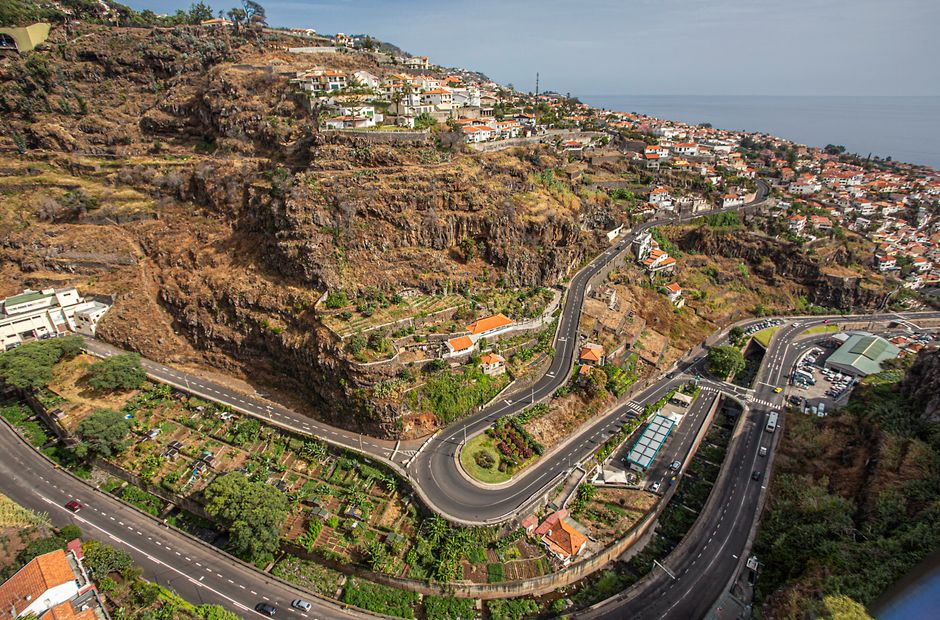
Yes — you will need ETIAS for Madeira and the Azores once the system launches (no start date has been announced yet), because both archipelagos are autonomous regions of Portugal and sit fully inside the Schengen area. Funchal’s harbour and São Miguel’s crater lakes lie deep in the Atlantic, yet their border rules match Lisbon exactly. Visa-exempt non-EU visitors will pay a single €20 fee, valid three years, before they fly out.
TL;DR: Madeira and the Azores are Portuguese Schengen territory, so non-EU travellers need ETIAS once it launches — the EU has not yet announced a start date and will do so several months in advance. It costs €20, lasts three years, and is free for under-18s and over-70s. One authorisation covers both island groups and unlimited trips — there is no separate island permit.
| Quick Facts | Detail |
|---|---|
| ETIAS needed? | Yes — Portugal, inside Schengen |
| Fee | €20 per adult; free under 18 and over 70 |
| Validity | 3 years or until your passport expires |
| Covers | Madeira, Porto Santo and all 9 Azores islands |
| Launch | Not live yet; no start date announced (the EU will give several months’ notice) |
Key facts
ETIAS launches late 2026 — be first to know
One e-mail the day applications open. No spam.
- The official ETIAS scheme will cost €20; it is not yet operating and the EU has not announced a start date, so no application is possible yet.
- Under-18s and over-70s pay nothing but still have to apply, because every visa-exempt traveller needs an ETIAS (European Commission, 2026).
- The €20 price was set by the EU in July 2025, up from the €7 originally proposed.
- The Schengen area has covered 29 countries since Bulgaria and Romania joined on 1 January 2025, Portugal among them.
- One approval lasts three years. Start with our what is ETIAS guide and the ETIAS cost guide.
Do you need ETIAS for Madeira and the Azores?
You do. This travel authorisation will apply to every visa-exempt non-EU traveller once the system launches, because both are autonomous regions of Portugal and part of Schengen — the same rule that governs mainland Lisbon and Porto. Your nationality and passport set the requirement, not the distance from Europe.
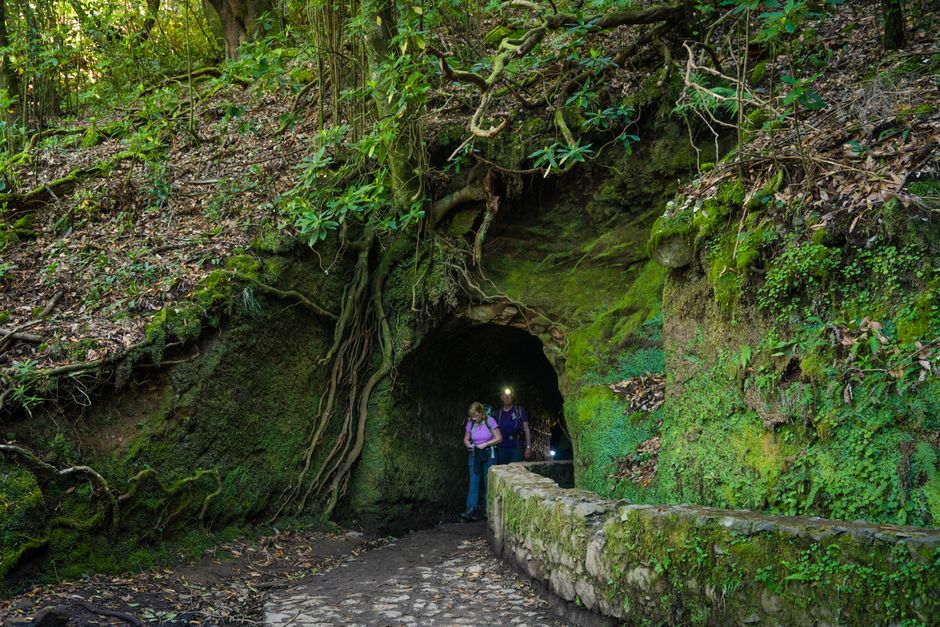
Distance fools people. Madeira sits closer to Africa than to the Portuguese mainland, and the Azores are a third of the way to North America, yet neither has any special immigration status. A British hiker flying Gatwick to Funchal for the levada trails needs the authorisation just like one flying to Faro. Check whether your passport is affected in our countries that need ETIAS guide, and confirm the documents in the ETIAS requirements checklist.
Are Madeira and the Azores in the Schengen area?
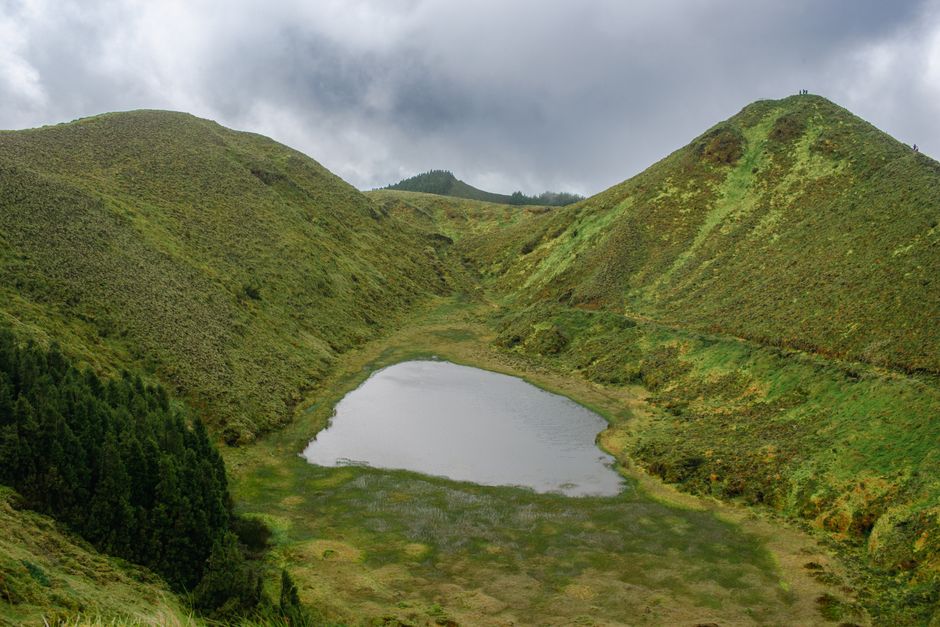
Yes. Both archipelagos are integral parts of Portugal and the Schengen area, sharing its 90-days-in-180 stay limit and the same entry rules that now span 29 countries, from Iceland in the north to Croatia in the south. Being 1,000km out in the Atlantic changes nothing at passport control, and no local visa waiver overrides the Schengen framework.
Portugal has been a Schengen member since 1995, islands included. That means your days count together. A month split between São Miguel and the mainland draws on the same 90-day allowance as a trip to Berlin. Anyone planning a long Atlantic winter should read our 90/180 day rule guide and the Schengen area explained guide to avoid an accidental overstay.
ETIAS cost, validity and exemptions for the islands
ETIAS for Madeira and the Azores costs €20 for adults, stays valid three years or until the passport expires, and is free for anyone under 18 or over 70, who still complete an application. One approval covers Madeira, Porto Santo and all nine Azorean islands, plus every trip within its validity.
For repeat visitors the value is obvious. A birdwatcher who returns to the Azores each spring pays once for up to three years of spring trips, not per trip, as long as the passport holds. Consider a retired couple aged 68 and 72 wintering in Funchal: one pays €20, the over-70 partner pays nothing, and both are covered for three years. The breakdown sits in the ETIAS visa cost guide, and renewal scenarios live in the ETIAS validity guide.
| Traveller | ETIAS fee | Needs application? |
|---|---|---|
| Adult 18–69 | €20 | Yes |
| Child under 18 | Free | Yes |
| Adult 70+ | Free | Yes |
| EU citizen | Not applicable | No |
How to apply for ETIAS before a Madeira or Azores trip
Applying will take roughly 20 minutes online: enter passport and trip details, answer the background questions, pay €20 by card, and wait for approval — usually minutes, occasionally up to four days if a check is flagged. Applications will open only when the system launches.
- Ready your passport: it must be valid for at least three months after you leave Schengen and issued within the last 10 years, but it does not generally have to be biometric (only certain nationalities need one). The ETIAS is linked to that exact passport, so a new passport needs a new authorisation.
- Open the official portal at travel-europe.europa.eu once the system launches (no date announced yet).
- Enter your trip: name Portugal as your first Schengen country if you fly straight to Funchal or Ponta Delgada.
- Answer honestly and pay the €20 by card.
- Keep the confirmation and check it matches your passport before you travel.
Apply as soon as flights are booked. Before choosing how to apply, read our ETIAS scam warning and the official versus third-party guide. The full walkthrough sits in our step-by-step application guide.
When does ETIAS start for Funchal and Ponta Delgada?
ETIAS has no confirmed start date yet: the EU will announce it several months in advance, and it will start at every Schengen entry point, including Funchal and Ponta Delgada, on the same day. No application is possible before the system opens.
Nothing is live yet: as of October 2026, ETIAS is not operating and no applications are accepted. The EU has not announced a launch date, and the earlier “last quarter of 2026” target has been removed from the official website. If you are planning a Madeira New Year fireworks trip, check the status before you travel and apply once the system opens. See the latest status in our ETIAS launch date guide and decision speeds in the processing time guide.
Pro tip: Arriving in Madeira on an Atlantic cruise that sailed from Southampton? Funchal is your first Schengen entry, so border guards there will check your ETIAS — and the cruise line must check it before you board. The authorisation is linked electronically to your passport, so travel with the passport you used to apply.
Island-hopping the Azores with one ETIAS
Because all nine Azorean islands and Madeira are inside Schengen, flying or sailing between them counts as internal travel — a single ETIAS covers the whole trip, with no fresh check when you hop from São Miguel to Terceira or Pico. Your ETIAS is checked when you first arrive at the external border, but it must stay valid for your entire stay and is checked every time you enter Schengen.
That keeps multi-island plans simple. A whale-watching route from São Miguel to Pico, then a short flight to Faial, crosses no international border after the first Azores landing. The same logic links Madeira and Porto Santo by the two-and-a-quarter-hour ferry. One caveat worth knowing: a handful of long-haul routes to the Azores connect through non-Schengen airports, and if your itinerary dips outside the zone and back, you re-enter Schengen on return — your ETIAS must still be valid and is checked again, and your days inside Schengen still count towards the same 90-days-in-180 limit. For route ideas, our island-hopping guide, the Lisbon ETIAS guide (a frequent connecting hub) and the complete travel checklist are worth bookmarking before you go.
Frequently Asked Questions
Do you need ETIAS for Madeira in 2026?
Yes. Madeira is an autonomous region of Portugal inside the Schengen area, so once the system launches (no date has been announced yet), visa-exempt non-EU travellers will need a valid ETIAS. It costs €20 and lasts three years.
Do you need ETIAS for the Azores?
Yes, the Azores follow the same rule as mainland Portugal. One ETIAS covers all nine Azorean islands as well as Madeira — there is no separate island authorisation.
Are Madeira and the Azores in Schengen?
Yes. Both are full parts of Portugal and the Schengen area, with the same 90-days-in-180 stay limit and entry rules as Lisbon. Their Atlantic location gives them no special status.
How much does ETIAS for Madeira cost?
It costs €20 for adults. Under-18s and over-70s pay nothing but must still apply. The authorisation stays valid for three years or until the passport expires, whichever comes first.
Do I need a separate ETIAS for each Azorean island?
No. One ETIAS covers Madeira, Porto Santo and every Azores island, plus unlimited trips within three years. Flights and ferries between the islands are internal travel with no new check.
Can I fly to Funchal or Ponta Delgada without ETIAS?
Not once the system is live. Airlines will check for a valid ETIAS at boarding, exactly as for the mainland. Without it, you can be refused travel to the islands.
When can I apply for ETIAS for a Madeira trip?
Once the system officially launches. The EU has not yet announced a start date and will do so several months in advance; until then, no application can be submitted anywhere. Apply once it goes live and your flights are confirmed.
About the author: Anna Reinholt is a Travel Documentation Editor who focuses on ETIAS for non-EU visitors. Every fee and date here is checked against official European Commission sources. We are an independent travel-information website — not a government body — and we do not submit applications. Once ETIAS launches, apply directly on the official portal. Last updated: 2026-07-08 — facts verified against europa.eu.
 English
 Shqip
 العربية
 Français
 ქართული
 עִבְרִית
 简体中文
 香港中文
 繁體中文
 Español
 Português do Brasil
 日本語
 한국어
 Bahasa Melayu
 Українська
 Română
 Српски језик
 Türkçe