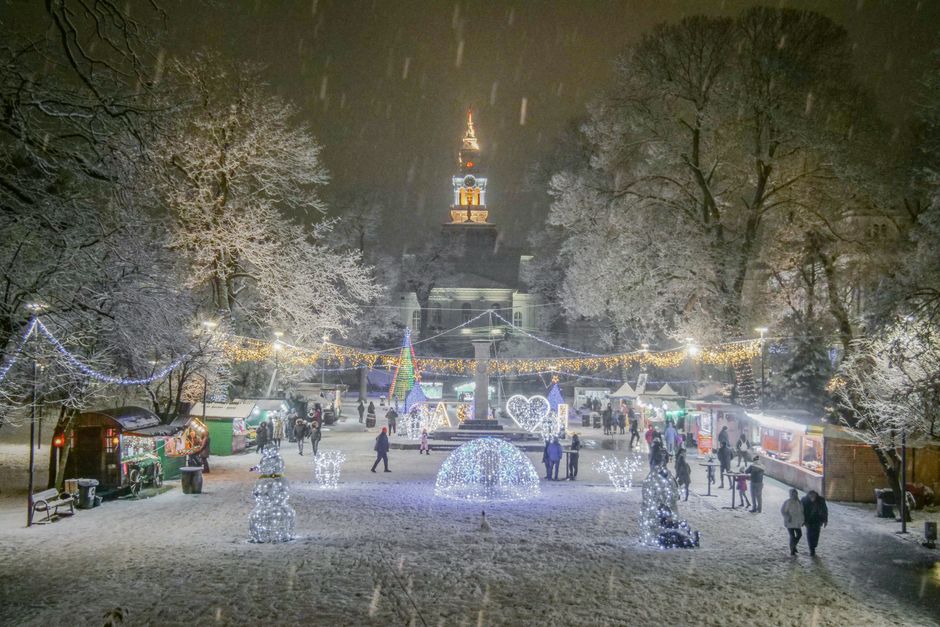
The best places to travel in Europe in winter fall into three groups: winter sun in the Canary Islands and Madeira, snow and skiing in the Alps, and Christmas markets in Vienna, Prague and Strasbourg. Whether you want a January beach at 22°C or a mug of glühwein in the snow, here’s where to go, what it costs, and why most of these trips will need an ETIAS once the system launches.
TL;DR: For winter warmth, head to the Canaries (around 22°C in January) or Madeira. Skiers should go to the Austrian or French Alps, and Vienna and Prague are at their festive best from mid-November. Nearly all of these are in the Schengen area, so once ETIAS launches, budget €20 for it. It’s valid for three years.
| Quick Facts: winter travel in Europe | Detail (2026) |
|---|---|
| Warmest winter spots | Canary Islands, Madeira, Malta, southern Spain |
| Best for skiing | Austria, France, Switzerland, Italy |
| Best Christmas markets | Vienna, Prague, Budapest, Strasbourg |
| Canary Islands winter temp | Around 20–22°C in December and January |
| ETIAS needed? | Yes for Schengen states once it launches; start date not yet announced (€20, valid 3 years) |
| Quietest month | January, after the Christmas rush |
Winter reshuffles Europe’s map: the summer crowds vanish, prices drop, and whole regions reinvent themselves. Before you book, confirm which destinations need authorisation using our ETIAS countries list, and see how the seasons compare in our winter versus summer Europe guide.
ETIAS launches late 2026 — be first to know
One e-mail the day applications open. No spam.
Where are the best places to travel in Europe in winter?
Go to the Canaries for sun, the Alps for snow, and central European cities such as Vienna and Prague for Christmas markets, all on the same continent. Which one suits you depends on whether you’re after warmth, snow or atmosphere.
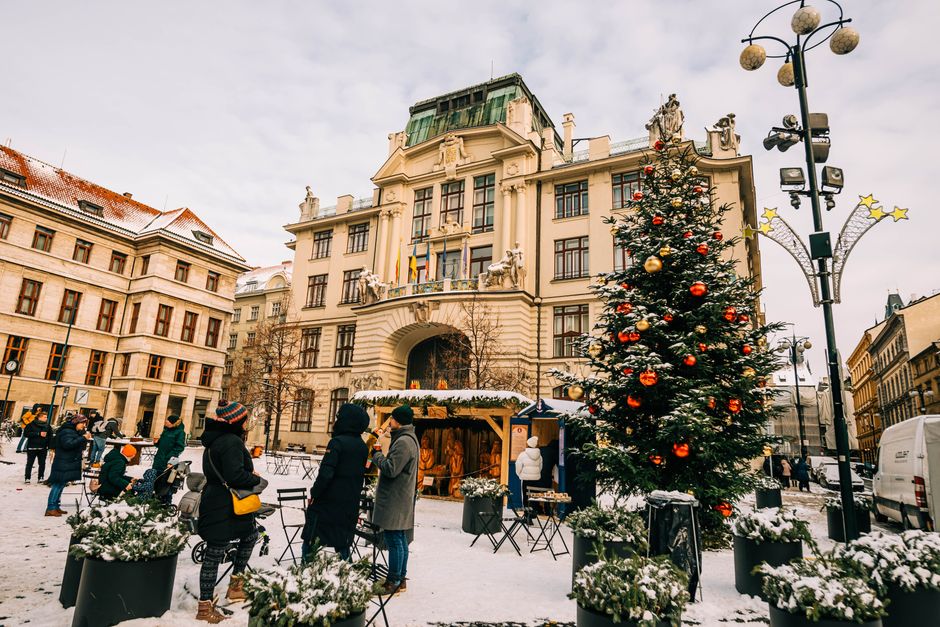
Here is the useful part: these are genuinely different holidays. A week in Tenerife feels like a Mediterranean summer in miniature, while Kitzbühel two hours away is buried in snow. That contrast is winter Europe’s superpower. Most of these spots are inside Schengen, so the same €20 ETIAS covers a sun trip and a ski trip alike once the scheme starts (European Commission ETIAS overview).
Winter sun: the warmest places in Europe
For winter sun without leaving Europe, the Canaries top the list at around 22°C in January, followed by Madeira, Malta and the southern Spanish coast. Afternoons there are mild enough to swim or hike while northern Europe freezes. These Atlantic and Mediterranean spots stay warm all season.
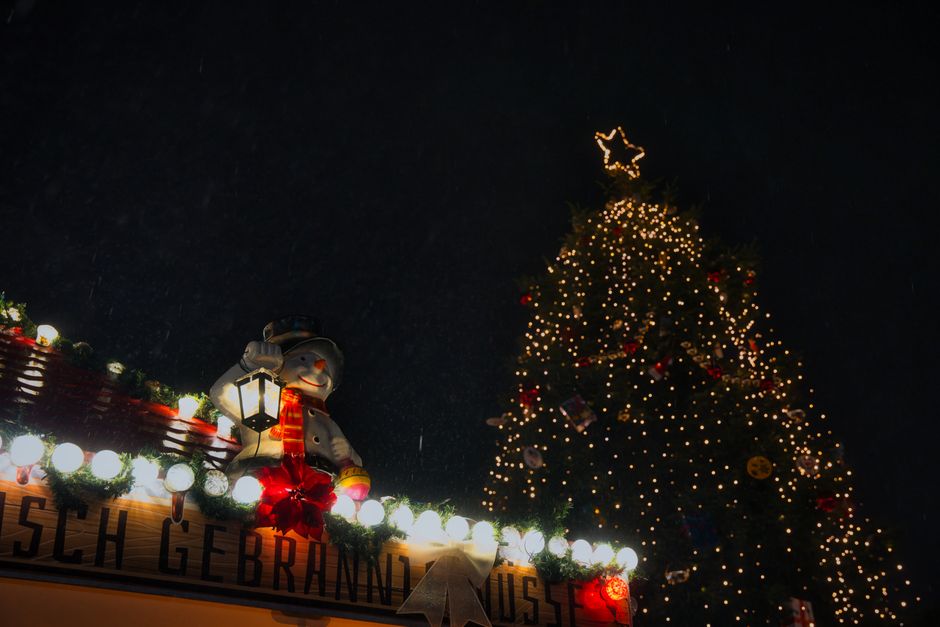
Tenerife and its neighbour Gran Canaria are the reliable winners. Sea temperatures hover near 20°C, and Gran Canaria’s Maspalomas dunes see barely a cloud in December. Madeira, a four-hour flight from London, pairs mild 19°C days with dramatic hiking. A practical example: a traveller escaping a grey British January can land in Tenerife South and be on a warm beach within an hour, no snow chains required. Check current entry rules on the FCDO foreign travel advice pages before you fly.
Pro tip: The Canaries are Spanish, so they fall under Schengen and ETIAS, even though they sit off the African coast. Do not assume an Atlantic island trip skips the paperwork — the same €20 authorisation applies as it would in mainland Madrid.
Snow and skiing: the Alps and beyond
For snow, the Austrian, French, Swiss and Italian Alps offer Europe’s best winter skiing, with reliable powder from December to March, world-class resorts like St Anton and Chamonix, and villages that turn into postcard scenes after the first heavy snowfall. Beginners and experts both find terrain here.
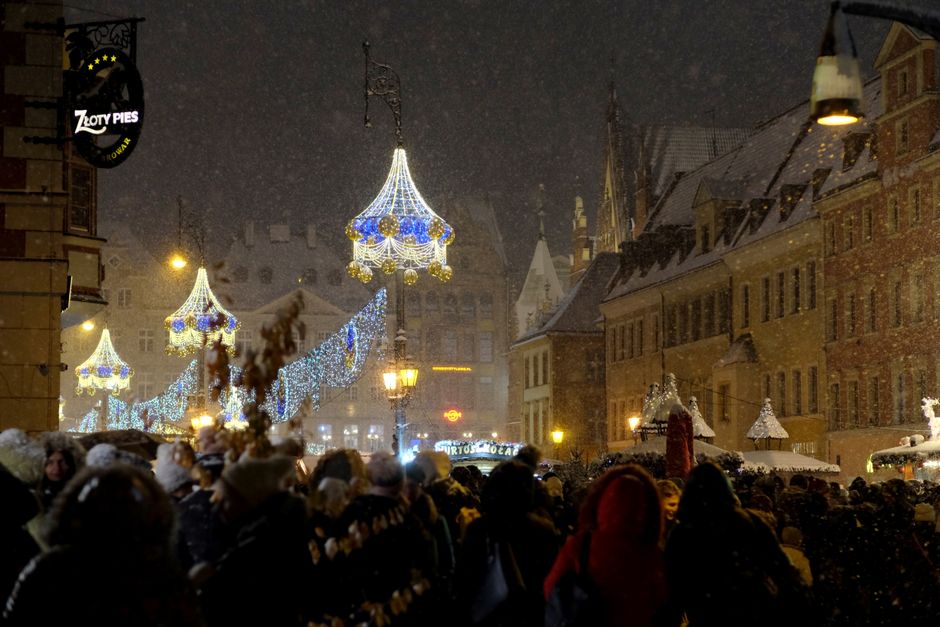
Austria suits first-timers and families: Söll and Saalbach have gentle nursery slopes and lively après-ski. France goes big, with linked areas like the Three Valleys covering 600 km of pistes on one pass. Switzerland is pricier but unbeatable for scenery around Zermatt and the Matterhorn. Italy offers the best value of the four: day pass prices in the Dolomites vary by resort and season, so compare current prices before you book, and the 2026 Winter Olympics in Milan and Cortina have sharpened the region’s lift network. If skiing is your main goal, our winter sports and skiing in Europe guide digs into resorts, passes and the ETIAS angle in detail.
One practical caveat catches families every year: February half-term is peak season. Book Austrian chalets by October, or aim for mid-January when the same resort can cost a third less and the slopes stay uncrowded on weekdays.
Christmas markets and festive city breaks
For festive atmosphere, Vienna, Prague, Budapest and Strasbourg host Europe’s finest Christmas markets, typically running from mid-November to 24 December, with wooden stalls, mulled wine and light displays that turn old-town squares into winter fairytales. These city breaks work brilliantly for a long weekend.
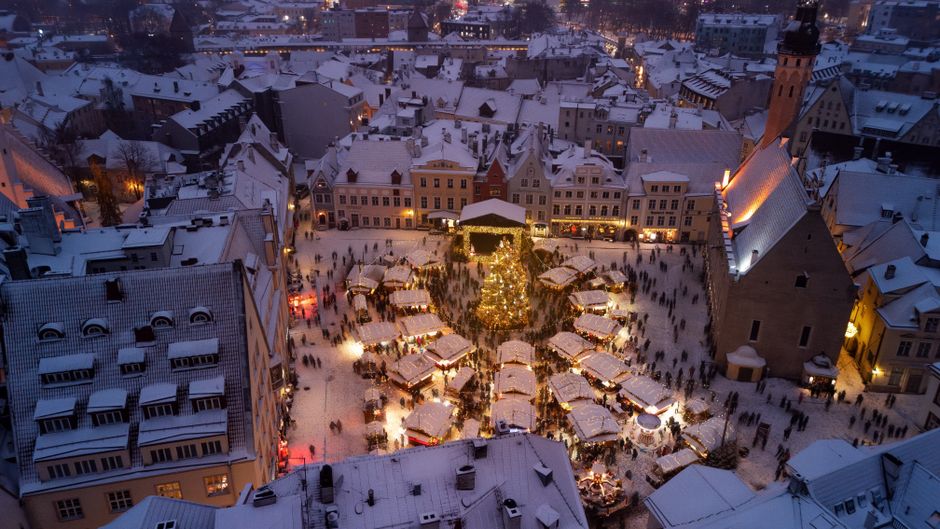
Vienna alone runs more than a dozen markets, the grandest outside the Rathaus. Prague’s Old Town Square market is compact and magical, while Budapest pairs its Vörösmarty market with thermal baths you can soak in as snow falls — a combination hard to beat in December. Strasbourg, on the French–German border, calls itself the capital of Christmas and has run its market since 1570. Germany deserves a mention too: Nuremberg and Cologne draw millions of visitors each December, and Cologne alone hosts seven distinct markets within a short walk of the cathedral. A weekend example: fly into Vienna on a Thursday, cover three markets by Sunday, and you have seen the best of festive central Europe on a single €20 authorisation. Plan the trip with our Christmas markets in Europe guide, and budget the fee using the ETIAS cost guide.
Do you need ETIAS for a winter trip to Europe?
Yes. Once the system launches, you will need an ETIAS to visit any Schengen country in winter, whether you’re skiing in Austria, soaking up sun in the Canaries or wandering a Christmas market in Prague. The €20 authorisation depends on where you go, not when, and covers you for three years or until your passport expires, whichever comes first. The EU has not yet set a start date and will announce it several months in advance.
The exceptions follow the usual map. Ireland stays outside Schengen, so a festive city break to Dublin needs no ETIAS. Everywhere else on this list — Spain, Austria, France, Czechia, Hungary — falls inside the zone. Once ETIAS launches, you will apply online through the official ETIAS website or the official ETIAS mobile app, and confirm current entry rules on the official EU portal before you book flights or a ski pass.
- Tip 1: Book winter-sun flights early. Island seats over Christmas and February half-term sell out months ahead, and prices climb fast after October.
- Tip 2: Layer for the Alps but pack light for the islands. A single trip rarely needs both, so decide your focus with our winter versus summer guide first.
- Tip 3: Travel midweek for Christmas markets. Vienna and Strasbourg are calmer Monday to Thursday, and hotel rates drop noticeably outside the weekend. Arrive after dusk, too, when the stalls light up and the crowds from day-trip coaches have thinned out.
Frequently Asked Questions
Which European destinations are best for winter travel?
Go to the Canary Islands or Madeira for winter sun, the Austrian or French Alps for skiing, and Vienna, Prague or Budapest for Christmas markets. Most of them are inside the Schengen area, so you will need an ETIAS once the system launches.
Where is warmest in Europe in winter?
The Canaries, averaging around 22°C in December and January. Madeira, Malta and southern Spain follow close behind. All of them stay mild enough for hiking or a beach day while mainland Europe is cold.
When do European Christmas markets open?
Most Christmas markets open in mid-November and run until 24 December, though some larger ones in Vienna and Strasbourg continue to the new year. Weekdays are far quieter than weekends if you want to avoid the biggest crowds.
Do I need ETIAS for a winter trip to Europe?
Yes, for Schengen destinations once ETIAS launches; the EU has not yet announced a start date. The islands, the Alps and central European cities all fall under it. The authorisation costs €20, stays valid for three years, and is applied for online before you travel.
Is winter a cheap time to visit Europe?
Often, yes. Outside the Christmas fortnight and ski holidays, January and early February are among the cheapest times to visit Europe. City-break flights and hotels drop sharply once the festive rush ends.
Which European city is best for a winter break?
Vienna is a standout, combining a dozen Christmas markets, grand cafés and easy day trips. Prague and Budapest are cheaper alternatives, and Budapest adds thermal baths, making it ideal for a cold-weather city break.
Can I ski and see winter sun on the same trip?
It is possible but tight, since the Canaries and the Alps sit far apart. A more realistic plan is to pick one focus per trip. The shared ETIAS, valid three years, means you can return for the other without new paperwork.
Last updated: 2026-07-01
 English
 Shqip
 العربية
 Français
 ქართული
 עִבְרִית
 简体中文
 香港中文
 繁體中文
 Español
 Português do Brasil
 日本語
 한국어
 Bahasa Melayu
 Українська
 Română
 Српски језик
 Türkçe