A European road trip is one of the most exhilarating ways to explore the continent — winding through Alpine passes, cruising along Mediterranean coastlines, and discovering charming villages that most tourists never see. Starting in 2025, non-EU travelers from visa-exempt countries will need an approved ETIAS (European Travel Information and Authorisation System) authorization before entering the Schengen Area, including those planning to drive across borders.
Whether you are renting a car in Paris, picking up a campervan in Munich, or driving your own vehicle through the Channel Tunnel, understanding the ETIAS requirements alongside practical road trip logistics is essential for a smooth journey. This comprehensive guide covers everything you need to know about driving across Europe in 2026.
- ETIAS costs €20 and is required for visa-exempt travelers entering the Schengen Area, including road trippers.
- Once inside the Schengen Area, there are no routine border checks between member states — you can drive freely across borders.
- An International Driving Permit (IDP) is recommended or required in many European countries alongside your national license.
- Toll systems, speed limits, and road rules vary significantly between European countries.
- Your ETIAS authorization is valid for 3 years or until your passport expires, whichever comes first.
ETIAS launches late 2026 — be first to know
One e-mail the day applications open. No spam.
What Is ETIAS and Why Do Road Trippers Need It?
The ETIAS is an electronic travel authorization system designed to enhance security across Europe. It applies to citizens of over 60 visa-exempt countries — including the United States, Canada, Australia, the United Kingdom, and Japan — who wish to enter any of the 30 Schengen Area countries.

For road trippers, this means you must have an approved ETIAS before you arrive at your first Schengen entry point, whether that is an airport, seaport, or land border crossing. The application is completed online, costs €20 (travelers aged 18–70; free for minors and seniors), and is typically processed within minutes to 96 hours.
Your ETIAS is linked to your passport electronically — there is no physical document to carry. Border agents will verify your authorization digitally when you enter the Schengen Area. For detailed application steps, see our ETIAS application guide.
Border Crossings Within the Schengen Area
One of the greatest advantages of driving through Europe is the Schengen Agreement. Once you have entered the Schengen Area through your first border checkpoint, you can drive freely between member states without stopping for passport controls.
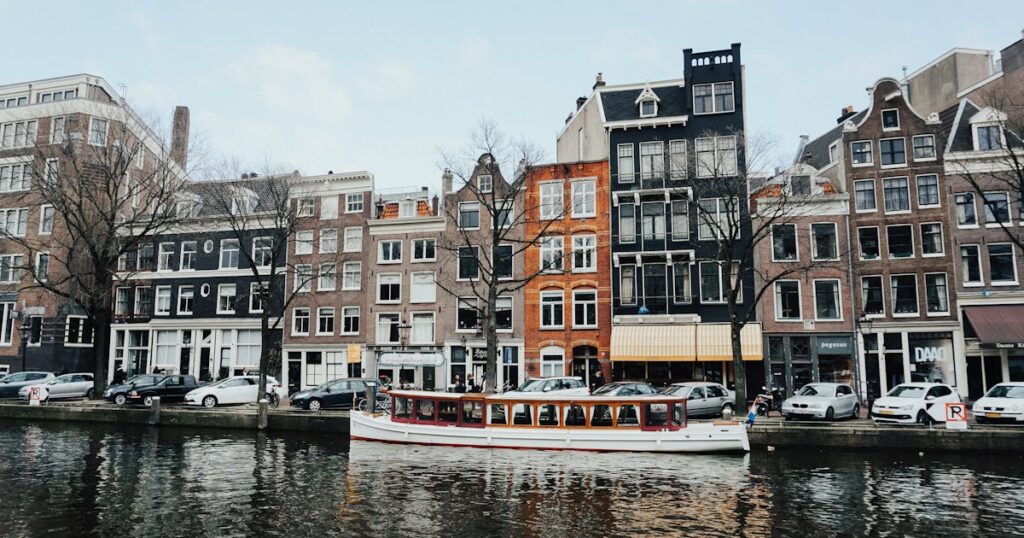
This means you can drive from France into Germany, continue to Austria, cross into Italy, and loop back through Switzerland — all without a single passport check at the border. You will often notice only a small sign welcoming you to the next country.
Important Exceptions
While routine checks have been abolished, some countries temporarily reinstate border controls for security reasons. Countries like France, Germany, and Austria have periodically reintroduced checks at certain borders. Always carry your passport and proof of your ETIAS authorization when driving between countries.
Non-Schengen EU countries such as Ireland, Cyprus, Bulgaria, and Romania have their own border procedures. If your road trip extends beyond the Schengen zone, expect to show your passport at these borders. Check our Schengen Area countries guide for the full list.
Driving License Requirements
International Driving Permit (IDP)
An International Driving Permit is a standardized translation of your national driving license, recognized in over 150 countries. While not all European countries legally require an IDP, it is strongly recommended for non-EU drivers.

Countries that legally require an IDP include Austria, Bosnia and Herzegovina, Greece, Hungary, Italy, Poland, and Spain. In countries where it is not strictly required, an IDP can still be extremely helpful during police checks and when renting a car.
How to Obtain an IDP
You must obtain your IDP in your home country before traveling. In the United States, the AAA and AATA issue IDPs. In Canada, contact the CAA. In the United Kingdom, you can apply through the Post Office. The process typically takes a few days and costs between $15 and $30.
Speed Limits Across Europe
Speed limits vary considerably between European countries. Exceeding these limits can result in hefty fines, and in some countries, speed cameras are extremely common.

| Country | Urban (km/h) | Rural (km/h) | Motorway (km/h) |
|---|---|---|---|
| France | 50 | 80 | 130 |
| Germany | 50 | 100 | No limit (advisory 130) |
| Italy | 50 | 90 | 130 |
| Spain | 50 | 90 | 120 |
| Austria | 50 | 100 | 130 |
| Switzerland | 50 | 80 | 120 |
| Netherlands | 50 | 80 | 100–130 |
| Portugal | 50 | 90 | 120 |
Toll Systems by Country
Most European countries charge tolls on motorways, but the systems vary widely. Understanding these before your trip can save time and money.

Vignette Systems
Several countries use a vignette — a prepaid sticker or electronic tag that grants access to the motorway network for a set period. Austria, Switzerland, the Czech Republic, Slovakia, Slovenia, Hungary, Bulgaria, and Romania all use vignette systems. You must purchase a vignette before using the motorway or risk substantial fines. Most are now available digitally and can be purchased online or at border gas stations.
Toll Booth Systems
France, Italy, Spain, and Portugal use traditional toll booths where you pay based on distance traveled. These can be paid by credit card, cash, or electronic transponders. In France, the Liber-t tag speeds up toll payments significantly.
Free Motorways
Germany, Belgium, the Netherlands, Luxembourg, and the Nordic countries generally do not charge motorway tolls for passenger cars, though some bridges and tunnels may have fees.
Best European Road Trip Routes
The Mediterranean Coast
Start in Barcelona and drive along the French Riviera through Nice and Monaco, continuing into the Italian Riviera and down to the Amalfi Coast. This route spans approximately 2,000 kilometers and showcases stunning coastal scenery, world-class cuisine, and vibrant seaside towns. Allow at least 10 to 14 days for a comfortable pace.
The Alpine Route
Begin in Munich and drive south through the Austrian Alps, crossing into Switzerland via dramatic mountain passes like the Gotthard or Julier. Continue through the Swiss Alps to Chamonix in France, then loop back via Lake Como in Italy. This route covers roughly 1,500 kilometers and is best enjoyed from June to September.
The Romantic Road, Germany
Stretching 460 kilometers from Wurzburg to Fussen in Bavaria, the Romantic Road is one of Germany’s most famous scenic routes. It passes through medieval towns, fairytale castles including Neuschwanstein, rolling vineyards, and picturesque countryside. This route can be completed in three to five days.
Car Rental Tips for Europe
Renting a car in Europe requires some preparation. Manual transmission vehicles are the default in most European countries, so if you need an automatic, book well in advance and expect to pay more. Most rental companies require drivers to be at least 21 years old, with surcharges common for drivers under 25.
Cross-border fees are an important consideration — many rental companies charge extra if you plan to drive into another country, and some restrict travel to certain nations. Always declare your planned route when booking. Ensure your rental includes comprehensive insurance, and consider purchasing additional coverage for peace of mind. See our travel insurance guide for recommendations.
Insurance Requirements
All vehicles driven in Europe must have valid third-party liability insurance. If you are driving your own car, your insurance company can provide a Green Card — an internationally recognized certificate of insurance. Most European countries require you to carry this document.
For rental cars, basic insurance is included in the rental price, but the excess (deductible) can be very high — often €1,000 to €2,500. Consider purchasing excess reduction or full coverage either from the rental company or a third-party provider. Travel insurance that covers medical emergencies, trip interruptions, and vehicle breakdowns is also strongly recommended.
Practical Driving Tips
European roads follow right-hand traffic in all continental countries. The United Kingdom, Ireland, Cyprus, and Malta drive on the left. Many countries require you to carry specific safety equipment in the car, including a reflective vest, warning triangle, first-aid kit, and in some cases a fire extinguisher or spare bulbs.
Parking in European cities can be challenging and expensive. Many historic city centers have restricted traffic zones (ZTL in Italy, LEZ in other countries) where unauthorized vehicles face automatic fines. Research parking options before driving into any major city.
Official Sources & References
Frequently Asked Questions
Do I need to show my ETIAS at every border within the Schengen Area?
No. Once you enter the Schengen Area through your first border checkpoint, there are no routine passport or ETIAS checks between Schengen member states. However, you should always carry your passport as some countries may conduct random security checks. Your ETIAS is linked to your passport electronically, so you do not need a separate printout. Visit our Schengen countries guide for more details.
Can I drive from a Schengen country to a non-Schengen country?
Yes, but you will encounter border controls when leaving the Schengen Area. Countries like Croatia (now Schengen), and non-Schengen states like the United Kingdom, Ireland, and several Balkan nations have their own entry requirements. Make sure you have the appropriate documentation for each country on your route. Check our ETIAS countries list for complete details.
Is an International Driving Permit really necessary?
While not legally required in every European country, an IDP is strongly recommended for all non-EU drivers. Some countries, including Italy, Austria, and Spain, legally require one. Even where it is not mandatory, an IDP helps during police stops and when renting a car, as it provides a standardized translation of your license information.
How long can I stay in Europe with ETIAS on a road trip?
ETIAS allows you to stay in the Schengen Area for up to 90 days within any 180-day period. This applies to the total time across all Schengen countries — not per country. If you are planning an extended road trip, keep careful track of your cumulative days to avoid overstaying, which can result in fines and future entry bans.
 English
  Shqip
Shqip  العربية
  Français
  ქართული
  עִבְרִית
  简体中文
简体中文  香港中文
香港中文  繁體中文
繁體中文  Español
  Português do Brasil
  日本語
日本語  한국어
한국어  Bahasa Melayu
  Українська
  Română
  Српски језик
  Türkçe