Winter tyres are required in many European countries once conditions turn wintry, and the rules split into two types: date-based (fixed months) and situational (only when there is snow, ice or slush). Driving on summer tyres in snow can get you fined in many of these countries, so check each country’s rules before you set off. For drivers from outside the EU, the practical questions are what to fit, when, and where the rules typically bite.
TL;DR: Germany runs a situational law (fit M+S or 3PMSF tyres in snow). Austria demands winter tyres in wintry conditions between 1 November and 15 April. France’s Loi Montagne covers 1 November to 31 March in many mountain areas. Italy sets rules by road sign, often 15 November to 15 April. Nordic countries require them all winter.
| Quick Facts | |
|---|---|
| Two rule types | Date-based vs situational (snow/ice present) |
| Strictest marking | 3PMSF three-peak snowflake symbol |
| Basic marking | M+S (mud and snow) |
| Austria window | 1 November to 15 April, in wintry conditions |
| France Loi Montagne | 1 November to 31 March, designated areas |
| ETIAS for non-EU drivers | €20 (no fee under 18 / over 70); launch date not yet announced |
New to European road trips? Start with our road trip and driving guide, then check the ETIAS requirements for 2026 before you book the ferry.
ETIAS launches late 2026 — be first to know
One e-mail the day applications open. No spam.
Why winter tyres matter for non-EU drivers
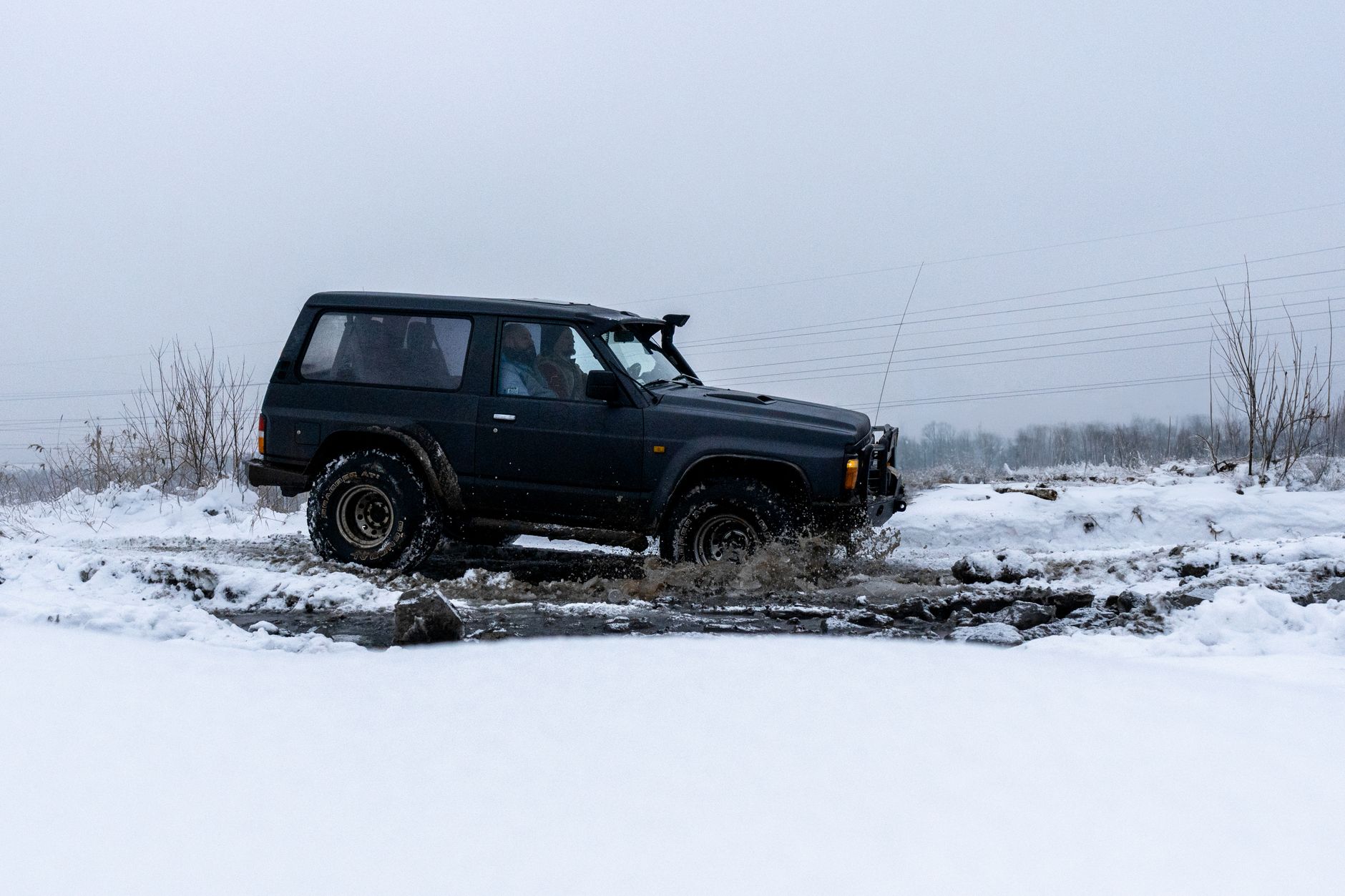
Winter tyres keep grip when the temperature drops below about 7°C, and by 2026 most Alpine and Nordic routes expect them. A UK or US driver in a hire car faces the same fines as a local, and ignorance of a road sign is no defence. The rubber compound stays soft in the cold, and the tread clears snow and slush far better than a summer tyre. Depending on the road, a police check can end your day early.
The UK Foreign Office reminds drivers to follow local traffic laws when abroad, and its foreign travel advice is the first place to look for country updates. The EU’s own driving-abroad pages explain that equipment rules are set nationally, so what is legal in Spain may earn a fine in Austria.
Would rather not wrestle with the paperwork side of your trip? We can check and handle your ETIAS application for you, so the only thing left to sort is the car.
Date-based versus situational rules
Date-based rules apply between fixed calendar months regardless of weather, while situational rules apply only when snow, ice or slush actually covers the tarmac. Germany is the classic situational example. Austria’s window, from 1 November until 15 April, mixes both: within that period, the tyres are needed only when conditions are wintry. Which type applies affects what you need to pack.
Under a date-based rule you fit or carry winter equipment for the whole season, even on a dry, bright day. Under a situational rule you are judged on the conditions in front of you. Even where no fixed dates exist, driving on summer tyres on a snowy or icy road can still earn you a fine. The safest habit is typically to fit proper cold-weather tyres for any December-to-March trip, so you never have to guess.
Country-by-country winter tyre rules
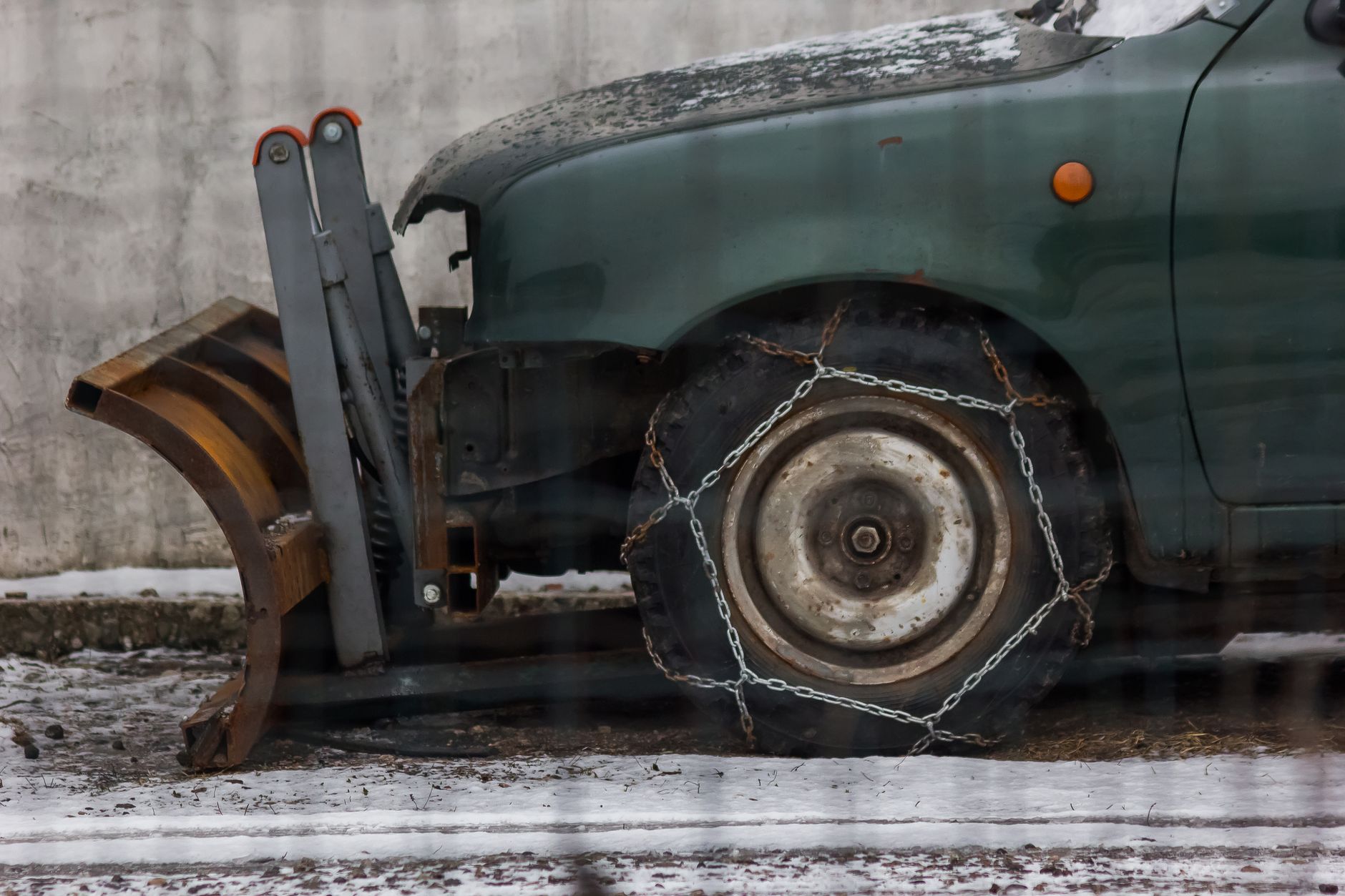
Rules vary by country, and the table below sets out the typical position for 2026. Treat the dates as a guide only: local signs and regional orders can override national defaults, so always confirm the country’s official advice before you drive. Southern lowlands are usually exempt except on signed mountain roads.
| Country | Requirement (typical) | Typical dates |
|---|---|---|
| Germany | Situational: M+S or 3PMSF tyres in wintry conditions | No fixed dates — weather-based |
| Austria | Winter/all-season tyres in wintry conditions, or chains on 2+ drive wheels | 1 Nov – 15 Apr |
| France | Loi Montagne: winter or all-season tyres, or chains/snow socks carried, in designated areas | 1 Nov – 31 Mar |
| Italy | Local signs: snow tyres or snow chains on board | Often 15 Nov – 15 Apr |
| Sweden / Finland / Norway | Studded or winter-rated tyres required in winter months/conditions | Winter season (varies) |
| Spain / Portugal (lowlands) | No requirement except on signed mountain roads | Signed roads only |
The 3PMSF snowflake symbol is the stricter, true-winter standard; plain M+S is the basic marking and may not satisfy every country in deep snow. Where a rule is situational, police check whether your tyres can cope with the snow or ice, not what the date is. For the fine print on any single country, the EU vehicle insurance guidance is worth a read too, since an accident on the wrong tyres can affect a claim.
Pro tip: If you are hiring a car, ask the rental firm in writing whether it supplies proper cold-weather tyres and chains for your route. A booking that says “all-season” may not carry the 3PMSF symbol some mountain roads expect.
Before a winter drive: your checklist
A five-minute check before any December-to-March drive saves fines and delays. Work through the steps below in order, ideally the evening before, so you are not standing in a snowy car park at 8am discovering the boot has no chains. Keep the list on your phone.
- Confirm the country’s official rule for your route — date-based or situational — using its transport ministry or the UK driving-abroad guidance.
- Check your tyres carry the right marking: M+S at minimum, ideally the 3PMSF snowflake for true winter roads.
- Carry snow chains (or approved snow socks) if any mountain leg is on your route, and know how to fit them.
- Look at the tread depth and pressures; cold air drops pressure, so top up.
- Pack a warning triangle, hi-vis vest and de-icer, which several countries require anyway.
- Sort your ETIAS travel authorisation for the trip — check the ETIAS cost guide and how to apply step by step.
- Consider travel insurance that covers winter driving before you leave.
Two example winter scenarios
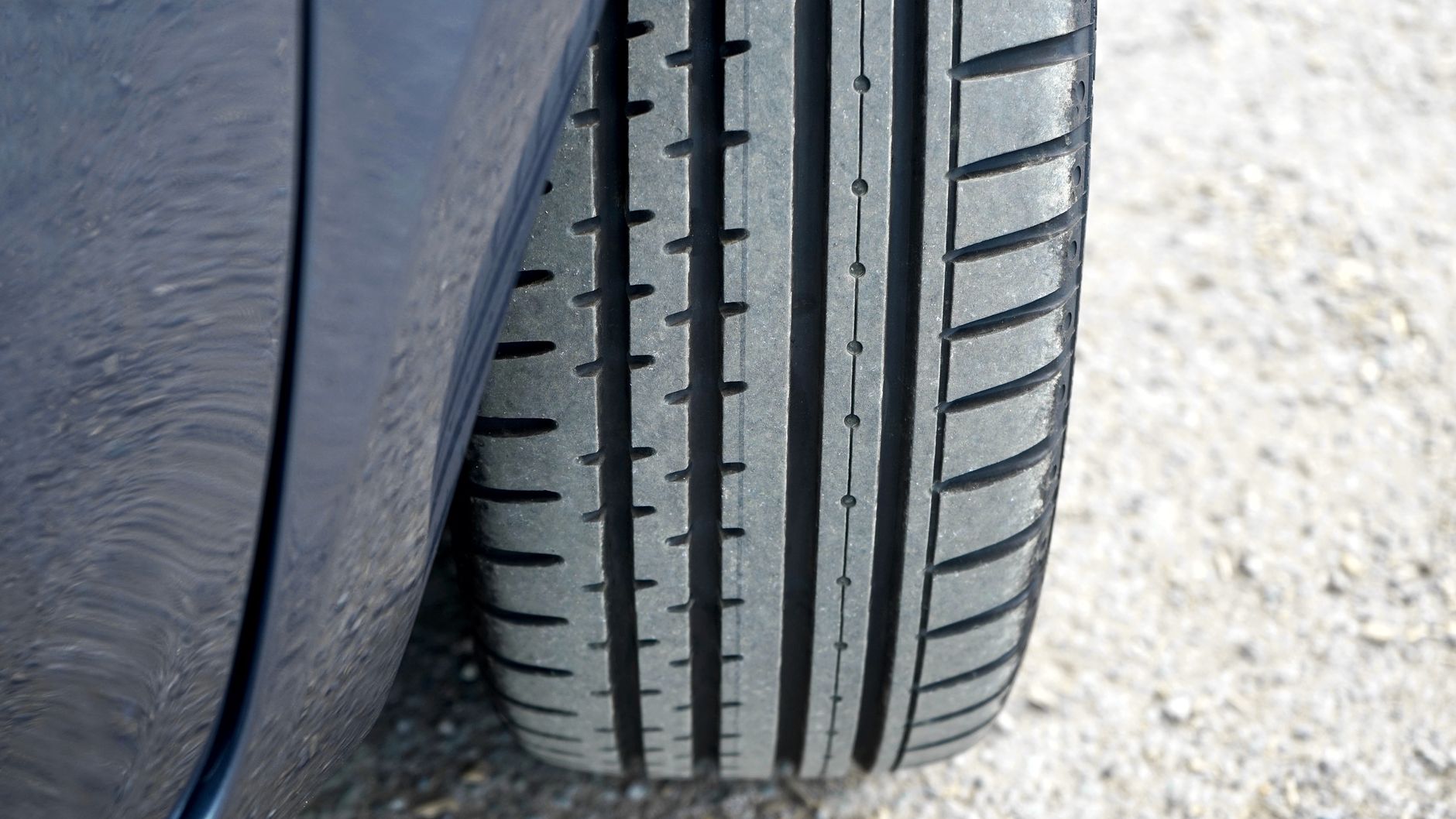
Picture two common trips. In the first, a couple in a hire car head from Lyon to the French Alps in January; in the second, a driver crosses from Germany into Austria in December. Both need winter equipment, but the exact rule differs, and getting it wrong risks a fine at a checkpoint.
The Alpine couple are inside a Loi Montagne département, so between 1 November and 31 March they must have winter rubber fitted, or carry chains or snow socks. Their rental was booked as “all-season”, so they ring ahead and confirm 3PMSF tyres plus a set of chains in the boot before collecting the car.
The driver entering Austria arrives on 12 December. Austria’s rule covers 1 November until 15 April, and with snow falling the conditions count as wintry, so he needs either proper winter rubber or chains fitted on at least two drive wheels. He fitted them in Munich, so he is covered. Before setting off, he also checks the border-side rules on the EU ETIAS information site.
If they are visa-exempt non-EU nationals, both drivers will also need a valid ETIAS to enter the Schengen area once it launches; the EU has not yet announced a start date. See our motorway tolls comparison, the countries that need ETIAS, and the what is ETIAS explainer to plan the border side.
How winter tyres tie in with ETIAS
Winter tyres and ETIAS are separate obligations, but both will apply to the same visa-exempt non-EU driver once ETIAS launches. ETIAS costs €20 per application, is free for travellers under 18 or over 70, and covers stays up to 90 days in any 180-day period. Tyre rules apply once you are driving; ETIAS is checked at the border.
ETIAS is not live yet, and the EU has not announced a start date — it will confirm the date several months in advance. Once it opens, an approval will be valid for up to three years or until your passport expires, whichever comes first. It is not the same as the Entry/Exit System (EES), the biometric border check that registers non-EU travellers. British and American drivers can read the tailored ETIAS for British citizens and ETIAS for American citizens pages, and track their days with the 90/180 day rule guide.
Would rather not sort the border paperwork yourself? We can check and handle your ETIAS application for you, so you can concentrate on the drive.
europe-visa.eu is an independent travel-information service, not a government body. You can complete the ETIAS form yourself on the official EU site or app once it opens.
Frequently Asked Questions
Are snow tyres a legal requirement across all of Europe?
No. Winter tyres are mandatory only in certain countries and, in some, only in wintry conditions. Rules vary by country, so check each one’s official advice before you drive.
What is the difference between M+S and the 3PMSF symbol?
M+S (mud and snow) is the basic marking. The 3PMSF three-peak snowflake symbol is the stricter, true-winter standard and is what tougher mountain roads typically expect.
Do I need snow chains as well as snow tyres?
Often, yes. Austria accepts chains on two drive wheels as an alternative, while France’s Loi Montagne areas want chains or snow socks carried even if you have winter tyres. Check your route.
When does Austria require winter tyres?
Austria typically requires winter tyres from 1 November to 15 April, but only when the road is covered in snow, ice or slush. Chains fitted on at least two drive wheels are accepted instead.
Are there fines for driving on summer tyres in snow?
Yes, in several countries. In Germany, driving on summer tyres on snow, ice or slush can get you fined, even though the rule is situational rather than date-based. Always confirm the local penalty.
Do southern countries like Spain or Portugal need winter tyres?
Generally no. Much of lowland Spain and Portugal has no requirement, except on signed mountain roads. Depending on the road, a sign can still oblige you to fit the right tyres or carry chains.
Do I need ETIAS as well as the right tyres for a winter road trip?
Yes, once ETIAS launches (the EU has not yet announced a start date). Visa-exempt non-EU drivers will need ETIAS (€20, no fee under 18 or over 70) to enter the Schengen area, on top of meeting each country’s winter tyre and chain rules.
Last updated: 2026-08-05 — verified against official EU and UK government sources.
 English
 Shqip
 العربية
 Français
 ქართული
 עִבְרִית
 简体中文
 香港中文
 繁體中文
 Español
 Português do Brasil
 日本語
 한국어
 Bahasa Melayu
 Українська
 Română
 Српски језик
 Türkçe