Udhëtarët britanikë përballhen me sistemin e ri të kufirit të BE-së më herët se pothuajse kushdo tjetër. Sepse Franca e drejton kontrollimin në tokën britanike, EES për udhëtarët britanikë do të thotë të përfundoni regjistrimin tuaj biometrik — një fotografi fytyre, katër gjurmë gishtash dhe skanimin e pasaportës — përpara se të largoheni nga Dover, Folkestone ose St Pancras. Sistemi ka qenë plotësisht operacional sejse 10 prill 2026.
TL;DR: Britanikët regjistrimin e biometrikës në portet e ndërmjetësuara përpara nisjes, jo në ardhjen në Francë. Secila kontroll zgjat 1–2 minuta dhe mbetet e vlefshme për tre vjet. Fëmijët nën 12 vjet kalojnë pa gjurmë gishtash. Lini kohë shtesë në Dover, terminalin e Eurotunnelit LeShuttle dhe Eurostar, veçanërisht në të premtëve të verës dhe pushimet e shkolës.
Faktet kryesore në një shikim
ETIAS niset në fund të vitit 2026 — jini i pari që të dini
Një e-mail ditën kur hapen aplikimet. Pa spam.
- Ku bëni regjistrimin: në kufirin përpara se të largoheni nga UK — Port of Dover, LeShuttle Folkestone, Eurostar St Pancras (UK Government).
- Çfarë merret: imazh fytyre, katër gjurmë gishtash dhe të dhënat e pasaportës në udhëtimin e parë; fëmijët nën 12 vjet japin vetëm një fotografi.
- Vlefshmëri për: 3 vjet, ose derisa pasaporta juaj të skadojë, cilado që ndodh më parë.
- Investim në UK: £3.5 milion secili për Eurostar, Eurotunnel dhe Portin e Dover për ndërtimin e kioskave dhe zonave të përpunimit (UK Government).
- Duke ardhur më pas: ETIAS (€20) pritet në tremujorin e fundit të 2026, duke shtuar një hap në internet përpara udhëtimit (portali EU ETIAS).
Çfarë do të thotë në të vërtetë EES për udhëtarët britanikë?
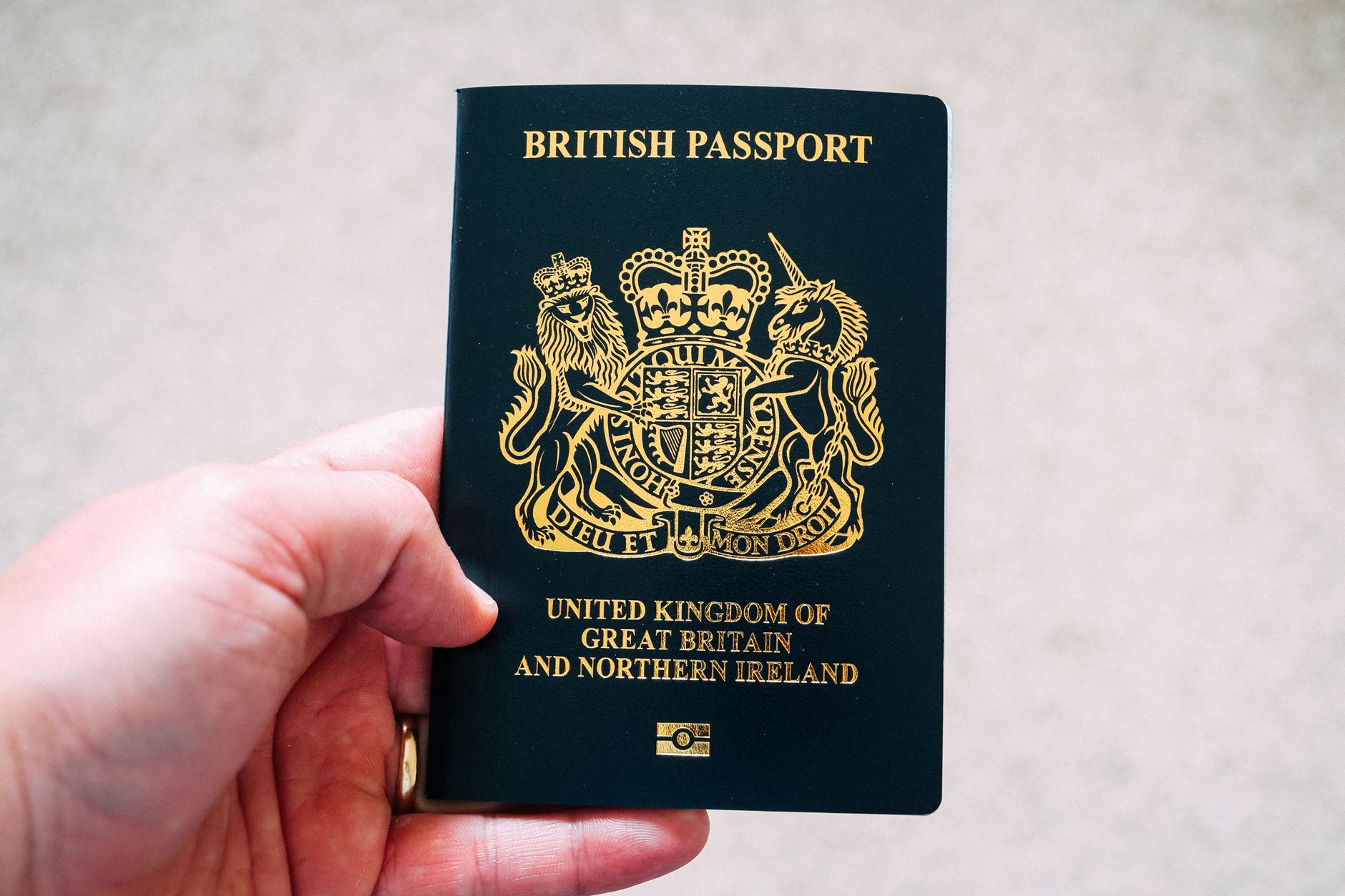
EES për udhëtarët britanikë do të thotë se çdo britanik që kalon në zonën Schengen tani duhet të regjistrojë të dhënat biometrike në udhëtimin e parë, duke zëvendësuar pulën e vjetër të pasaportës me një regjistrim dixhital që regjistron çdo hyrje dhe dalje për kontrolle automatike të qëndrimit të zgjatur. Që nga Brexit, mbajtësit e pasaportës britanike llogariten si vizitorë jo-BE, pra rregullat zbatohen në plotësi.
Para 10 prillit 2026 një pasaportë britanike thjesht merrte pullë. Tani një kiosk skanon dokumentin tuaj, fotografon fytyrën tuaj dhe lexon katër gishtrinjtë, pastaj një oficer konfirmon regjistrin. Lajmi i mirë: është një regjistrimi njëherëzor. Kthehuni brenda tre viteve dhe makina thjesht përputhet me fytyrën ose gishtrinjtë tuaj të drejtpërdrejtë. Joni i ardhjes së parë përfshirë zbulon secilin hap të asaj regjistrimi fillestar.
Ku përfundojnë udhëtarët britanikë EES — Dover, Eurostar ose LeShuttle?
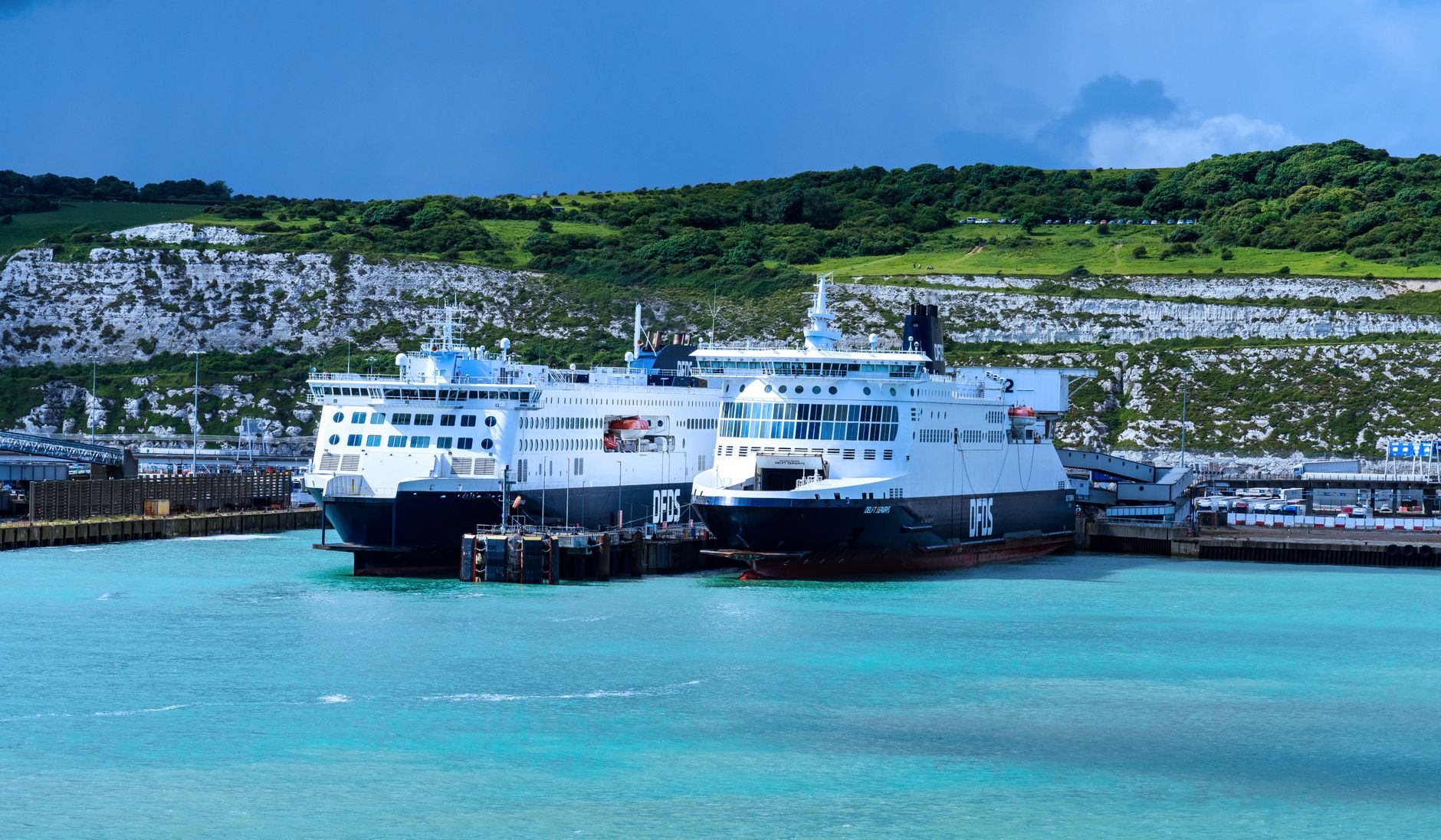
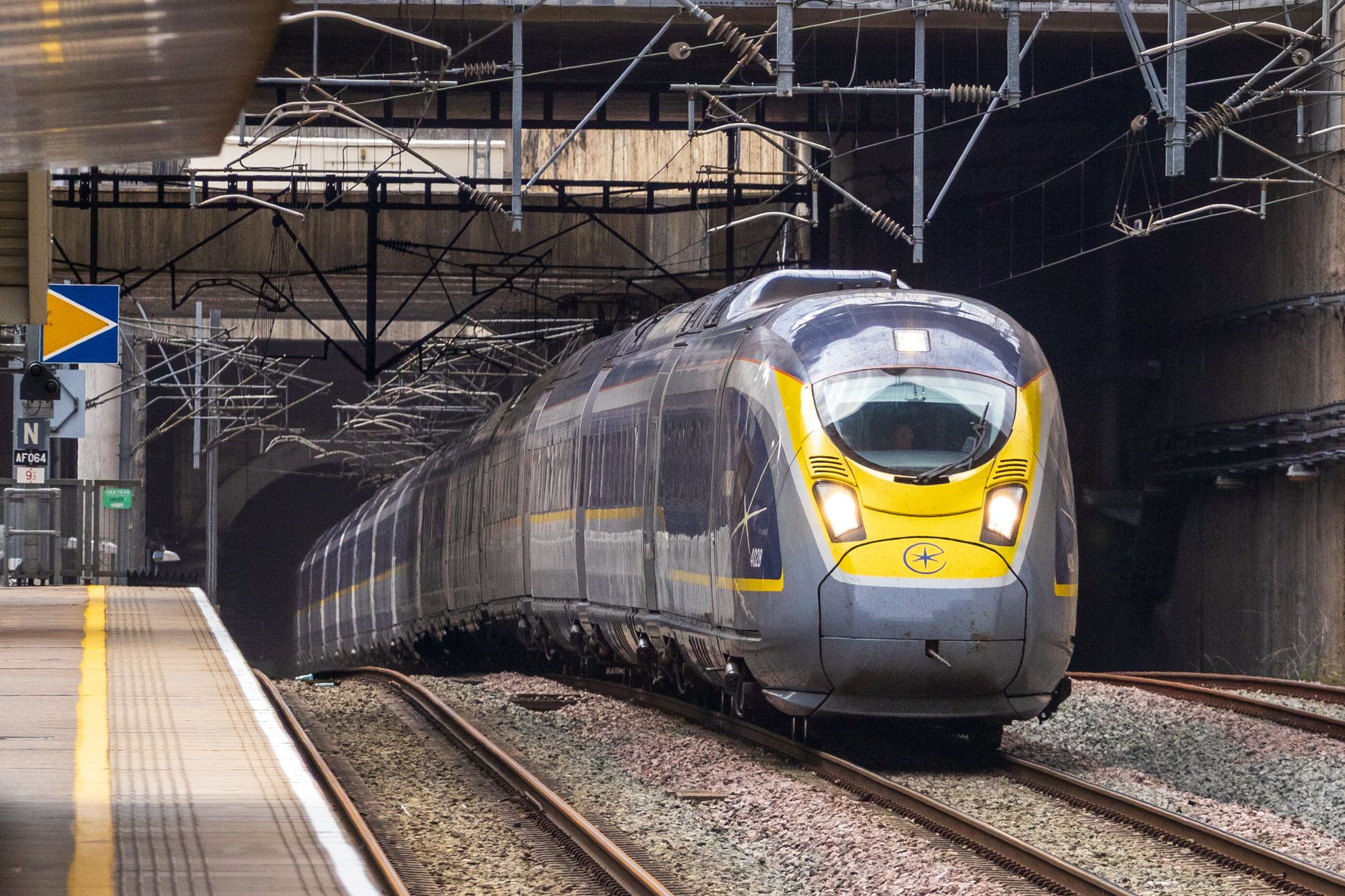
Në tre kalimet e afërta — Portin e Dover, Eurotunnel LeShuttle në Folkestone dhe Eurostar në St Pancras — oficerët francezë të kufirit punojnë në tokën britanike, pra ju përfundoni EES para se të largoheni nga Britania e Madhe në vend që në ardhje. Flutuoni në vend, dhe ju regjistroheni në aeroportin e destinacionit tuaj në Schengen.
Çdo vend ndërtoi hapësirë të dedikuar për kontrollet. Eurostar shtoi kioska para-regjistrimi me shërbim vetjak në tre zona të St Pancras përpara portave të biletave. Eurotunnel krijoi një zonë para-regjistrimi të ndërtuar për qëllim në Folkestone, dhe Porti i Dover hapi një zonë përpunimi në Western Docks-in e tij, sipas udhëzimeve zyrtare. Nëse fluturoni nga Manchester ose Heathrow, asnjë nga këto nuk zbatohet derisa të uleni — shihni se si krahasohen kalime në udhëzues për aeroportin kundrejt kufirit të tokës.
Hap pas hapi: çfarë ndodh për udhëtarët britanikë në kufinirin e mbingatësuar?
Ju skanoni pasaportën tuaj në një kioskë, shikoni në kamerë për një imazh të fytyrës, vendosni katër gishta në lexues, pastaj kaloni një kontroll të shkurtër me oficerin — një regjistrimi që zgjat dy deri pesë minuta përpara se të hipni në trenin, autobusin ose tragjetin tuaj. Këmbësorët dhe shoferët ndjekin korridore paksa të ndryshme.
| Lloji i udhëtarit | Ku zhvillohet kontrolli | Çfarë të pritet |
|---|---|---|
| Pasagjer Eurostar | Kioska vetëshërbimi në St Pancras përpara portave të biletave | Regjistrohu, pastaj sigurimi normal dhe ngjitja |
| Shofer LeShuttle | Zona e para-regjistrimit në Folkestone, në korridoret e automjeteve | Të gjithë në makinë regjistrohen para se të ngjitemi |
| Pasagjer trajekti Dover | Zona e përpunimit të Western Docks | Pasagjerët e autobusëve dhe makinave kontrolluar përpara se të nisin |
| Grupi i autobusëve | Korsitë e dedikuara të përpunimit të autobusëve | I gjithë grupi regjistrohet bashkë; lejoni kohë shtesë |
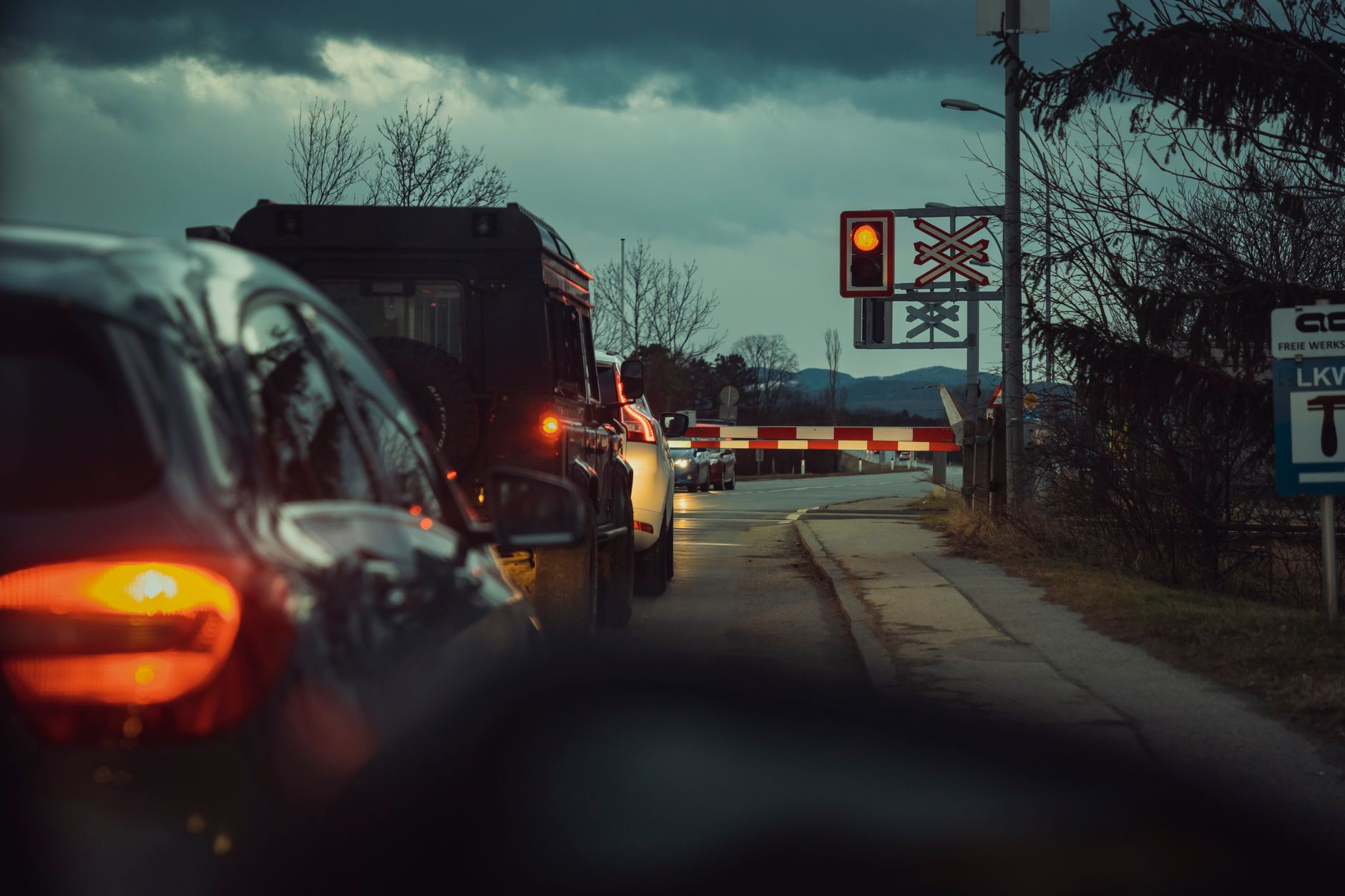
Imagjinoni një familje që po drejton drejt Folkestone për një shuttle në përnjeshën e premtes në korrik: katër pasaporta, katër regjistrime të veçanta, të gjitha përpara se makina të futet në tren. Kjo është arsyeja pse terminalet ju kërkojnë të mbërritni me një marzhë më të gjerë sesa një udhëtim para vitit 2026 kishte nevojë.
Si duhet të përgatiten pasagjerët dhe shoferët e autobusëve për EES?
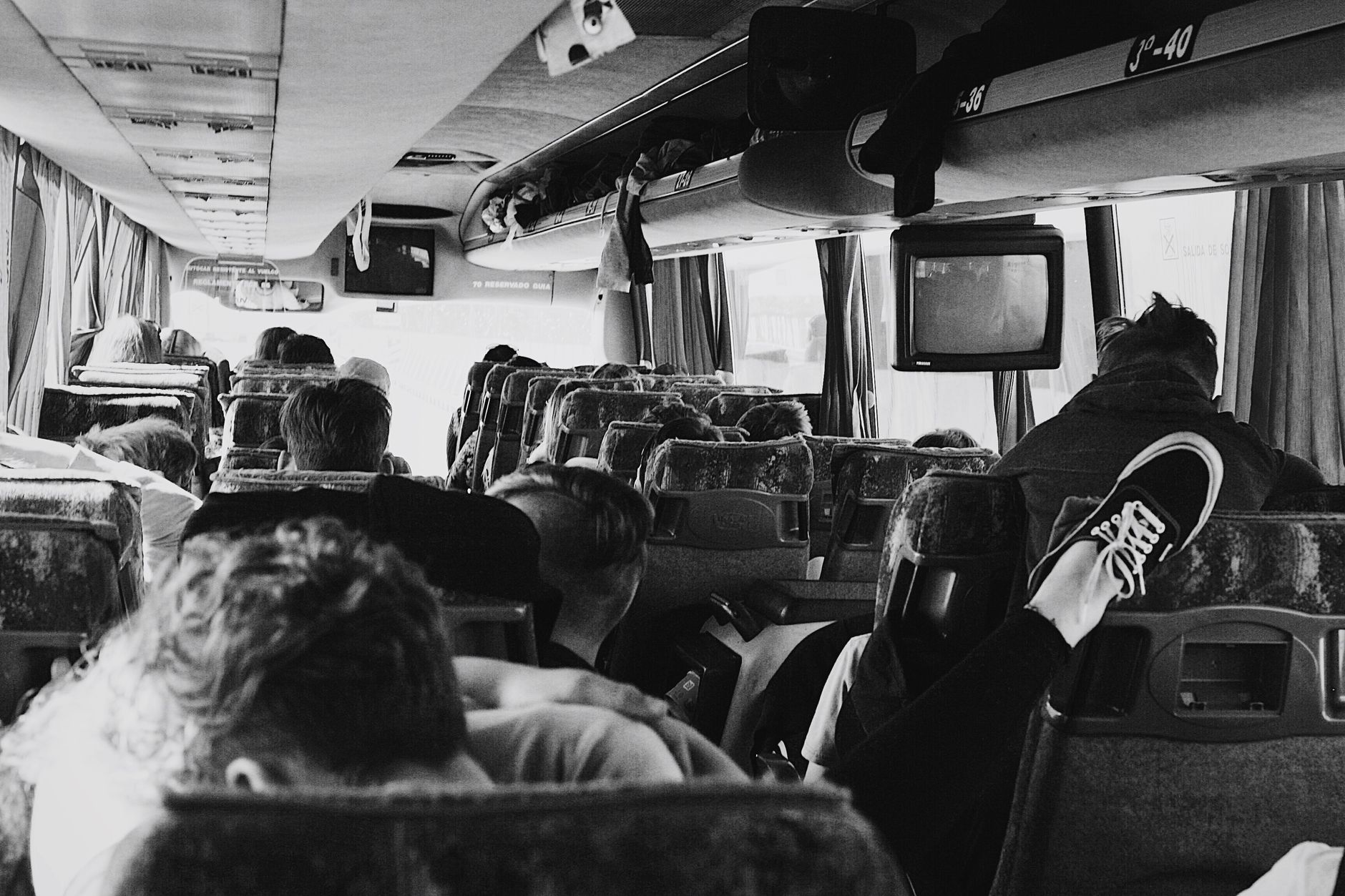
Udhëtarët me autobus dhe makina duhet të parashikojnë kohë shtesë në terminal, të mbajnë të gata pasaportën e secilit pasagjer, dhe të presim që çdo person të largohet nga automjeti ose ulëse për të regjistruar biometri në kalimin e parë — udhëtimet në grup zgjatin më gjatë sepse të gjithë regjistrohen veçmas. Pritja është në terminalin, jo në autostradë.
Ekskursionet shkollore dhe autobusët e turizmit e ndjejnë më shumë këtë. Një autobus me 50 vende do të thotë 50 regjistrimet e para, kështu që operatorëve u thuhet të planifikojnë zona tampon të bollshme. Shoferët që shkojnë në LeShuttle duhet të rezervojnë një slot me hapësirë të mjaftueshme dhe të kontrollojnë Fushatë Travel Aware përpara se të niseni. Mbajini duart të pastra dhe të thata, dhe hiqni kapelet dhe syza dielli përpara kamerës. Për një pamje më të plotë të vonimit në të gjithë kalimtarësat, lexoni udhëzuesin tonë për Radhët në kufirin EES këtë verë.
Një shembull i shpejtë nga bota reale ndihmon. Një minibus me tetë të rritur që largohet nga Doveri në një të shtunë gushti duhet ta trajtojë terminalin, jo pasarellën e ferjeve, si pikën e ngadaltë. Të gjithë kalojnë përmes zonës së përpunimit të Western Docks, prekin një kësk, dhe vetëm atëherë ngjiten në bord. Arritni një orë më herët sesa një udhëtim në 2024 do të kishte nevojur, dhe margjina shtesë thith regjistrimin pa e humbur një lundrim. Sapo rekordi juaj të ekzistojë, e kthimi përpara dhe çdo udhëtim për tre vitet e ardhshme është një verifikim i thjeshtë, jo një nënshkrim i plotë.
Preferoni të mos e trajtoni anën e ETIAS vetë kur të hapet? Mund të përgatisim dhe kontrollojmë aplikimin tuaj, kështu që autorizimi në internet është i rregulluar mirë përpara se të arrini në kufi.
A përballen fëmijët dhe familjet me rregulla të ndryshme EES?
Po — fëmijët nën 12 vjeç japin një foto të fytyrës dhe skanim të pasaportës, por pa gjurmë gishtash, ndërsa të gjithë të moshës 12 vjeç e lart plotësojnë regjistrimin e plotë, dhe secili fëmijë ka nevojë për pasaportën e tij dhe rekordin e tij në sistem. Grupet familjarë duhet të planifikojnë për kontrolle të veçanta për secilin person.
Për një familje britanike që vozit nëpër Folkestone, kjo do të thotë se i dhjeta vjeçar shkon përpara kamerës për një foto ndërsa i katërmbëdhjetë vjeçar bën regjistrimin e plotë për të rritur. Nxirr çdo pasaportë veç e veç në vend që të jenë të lidhura. Po planifikoni rreth fëmijëve? Shënimet tona në ETIAS për të mitur dhe grupe familjare mbuloni se cilat ndryshime ndodhin pasi autorizimi hapet.
Si lidhet EES për udhëtarët britanikë me ETIAS?
EES për udhëtarët britanikë regjistron kalimin në kufi; ETIAS është një autorizim i veçantë në internet që britanët do të duhet të blejnë për €20 para se të udhëtojnë, pritet të fillojë në tremujorin e fundit të 2026 — të dyja janë të lidhura por jo të njëjta. Njëra është një regjistrimi në kufij, tjetra një leje para udhëtimit.
Sapo të hapet ETIAS, rutina bëhet: aplikoni dhe paguani €20 në internet, merrni miratim, pastaj regjistroni të dhëna biometrike në Dover, Folkestone ose St Pancras në ditën përkatëse. Udhëtarët nën 18 vjet ose mbi 70 vjet nuk paguajnë asgjë, por ende kanë nevojë për një autorizim të miratuar. Portali nuk është aktiv ende, kështu që trajtoni çdo kërkesë “aplikoni tani” me dyshim; shtëpia zyrtare është portali EU ETIAS. Për të krahasuar tarifën, shihni Udhëzues për kostot e ETIAS për qytetarët britanikë dhe të përgjithshme Udhëzues i kostove të ETIAS. Udhëtimi përmes Irlandës? Ajo mbetet jashtë Schengen, siç shpjegohet në Udhëzues i udhëtimit në Irlandë.
Këshilla praktike për udhëtarët britanikë që përballehen me EES
Arrini herët në terminalet përballë njëra-tjetrës, mbani çdo pasaportë në dorë, hiqni kapelat dhe syze para kamerës, mbani gishtat të pastër dhe të tharë, dhe gjurmoni lejën tuaj 90/180-ditore, pasi sistemi tani shënon tejzgjatjen automatikisht për udhëtarët britanikë. Përgatitja është mënyra e vetme për të shpejtuar kalimin e parë.
- Rezervoni vende LeShuttle dhe Eurostar me një hapësirë komode, jo opsionin më të ngushtë.
- Pasoja e secilit udhëtari duhet të jetë jashtë dhe e hapur përpara se të arrini në kioskun.
- Duart e thata skanojnë më shpejt — anashkaloni kremin për duar përpara kufijtë.
- Shikoni tuajin numërim i ditëve 90/180; EES e ndjek atë për ju tani.
- Përgatitni dokumentet me përshkrim i aplikimit dhe listën e kontrollës së dokumenteve për kur ETIAS hapet.
Nuk jam i sigurt nëse udhëtimi juaj ka nevojë për ETIAS përveç regjistrimit në kufi? Ne mund të rishikojmë planet tuaja dhe, sapo portali të jetë në përputhshmëri, të dorëzojmë dhe të kontrollojmë dyfish aplikacionin për ju.
Pyetje të shpeshta
A ndodh EES për udhëtuesit britanikë përpara ose pas se largohem nga Britania?
Para, në kalimin kufi. Oficerët francezë ekzekutojnë EES në tokën britanike në Dover, Folkestone LeShuttle dhe Eurostar St Pancras, kështu që ju regjistroheni përpara se të hipni. Nëse fluturoni, ju regjistroheni në mbërritje në aeroportin Schengen përkundrazi.
A duhet ta bëj këtë në çdo udhëtim?
Jo. Regjistrimi është një hap i njëpasnjëshëm, i vlefshëm për tre vite ose derisa pasaporta juaj të skadojë. Në udhëtime të mëvonshme një këiosk thjesht përputhë fytyrën tuaj të drejtpërdrejtë ose gjurmën e gishtit. Një pasaportë e re do të thotë një regjistrim i ri.
Po autobusë dhe grupe shkolore?
Çdo pasagjeri regjistrohet individualisht, kështu që grupet zgjatin më shumë. Operatorëve u këshillohet që të planifikojnë pajisje të bujarise në terminalin. Të moshës nën 12 vjet japin vetëm një foto, e cila përshpejton pjesën e tyre të procesit.
A është EES e njëjtë me ETIAS?
Jo. EES është regjistri i kufirit biometrik. ETIAS është një autorizim online i veçantë €20 i pritur në fund të 2026. Kur të hapet, britanikët do të kenë nevojë për të dyja: një UK ETA të miratuar përpara se të udhëtojnë dhe regjistrim EES në kufi.
Po vozis makinën time në Francë — a regjistrohen të gjithë në automjet?
Po. Çdo pasagjeri jo-BE, përfshirë mbajtësit e pasaportës britanike, regjistrohet në kryqëzimin e parë. Në LeShuttle dhe Dover kjo ndodh në korridoret e automjeteve ose në zonën e përpunimit para se të hipni, kështu që lini kohë që i gjithë automobili të regjistrohet.
Shënim ligjor: europe-visa.eu është një shërbim ndërmjetësimi i pavarur dhe nuk është një organ qeveritar. Ju mund të plotësoni kontrollet tuaja në kufi të EES në person dhe, pasi të hapet, të aplikoni për ETIAS drejtpërdrejt në portalin zyrtarizin të BE-së (€20), ose të përdorni shërbimin tonë të kontrollimit dhe mbështetjes.
Rreth autorit. Anna Reinholt është një Redaktor i Dokumentacionit të Udhëtimit që ka mbuluar dokumentet e udhëtimit evropian që nga 2017 dhe fokusohet në ETIAS dhe sistemet e reja të kufirit të BE-së. Çdo udhëzues kontrollohet kundër burimeve zyrtare të BE-së para publikimit.
Përditësuar: 2026-07-07
Përditësuar për herë të fundit: 2026-07-07 — verifikuar kundër burimeve zyrtare të BE-së dhe gov.uk.
 English
  Shqip
Shqip  العربية
  Français
  ქართული
  עִבְרִית
  简体中文
简体中文  香港中文
香港中文  繁體中文
繁體中文  Español
  Português do Brasil
  日本語
日本語  한국어
한국어  Bahasa Melayu
  Українська
  Română
  Српски језик
  Türkçe