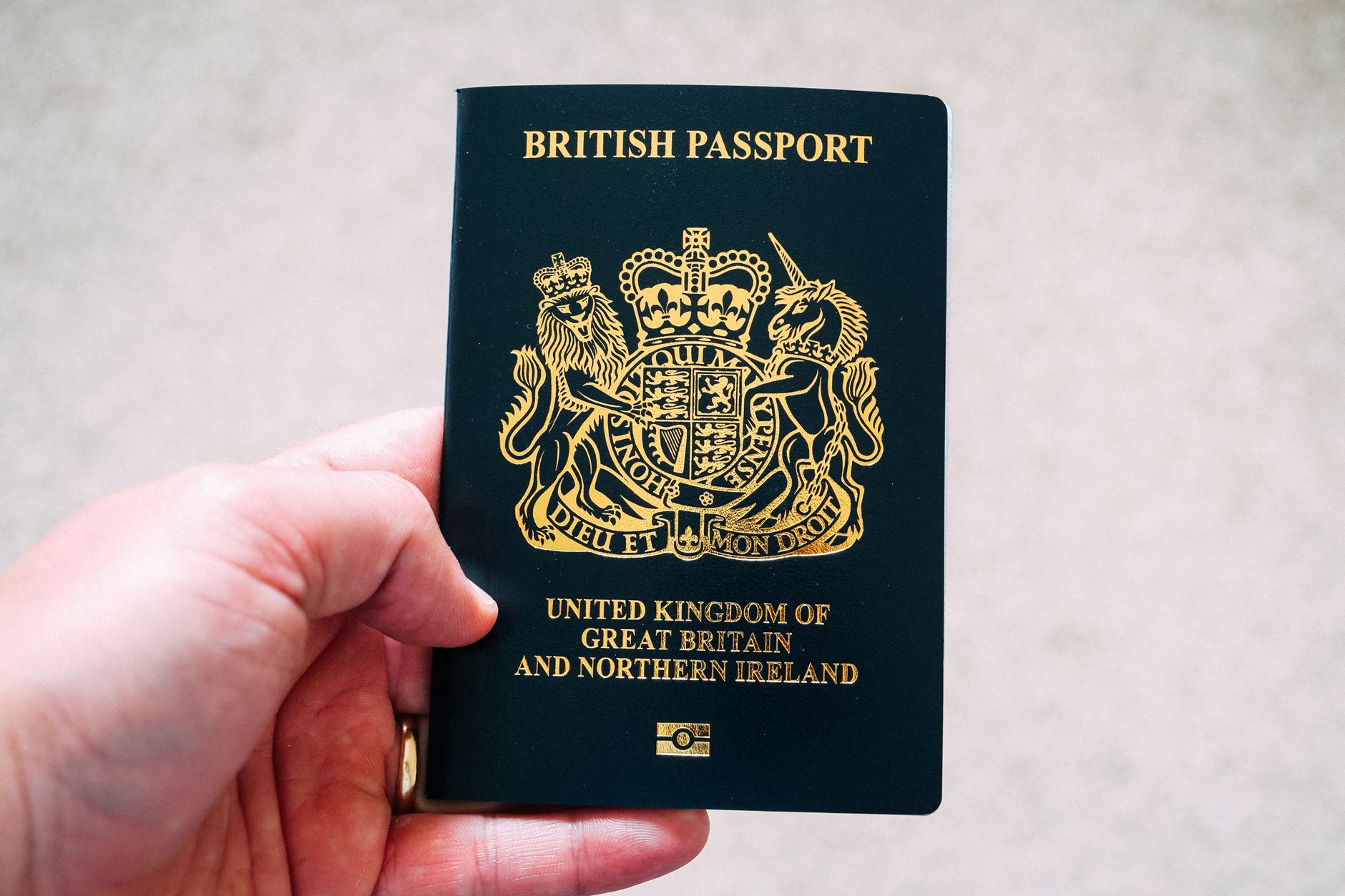
British travellers meet the EU’s new border system earlier than almost anyone else. Because France runs its controls on UK soil, EES for UK travellers means completing your biometric enrolment — a facial photo, four fingerprints and a passport scan — before you leave Dover, Folkestone or St Pancras. The system has been fully operational since 2026年4月10日.
長話短說: Britons enrol their biometrics at the juxtaposed ports before departure, not on arrival in France. Each check takes 1–2 minutes and stays valid for three years. Children under 12 skip fingerprints. Allow extra time at Dover, the Eurotunnel LeShuttle terminal and Eurostar, especially on summer Fridays and school holidays.
Key facts at a glance
ETIAS 將於 2026 年末推出 — 搶先了解
應用程式開放當日收到一封電郵。不會發送垃圾郵件。
- Where you enrol: at the border before leaving the UK — Port of Dover, LeShuttle Folkestone, Eurostar St Pancras (UK Government).
- What is taken: facial image, four fingerprints and passport data on the first trip; under-12s give a photo only.
- Valid for: 3 years, or until your passport expires, whichever comes first.
- UK investment: £3.5 million each for Eurostar, Eurotunnel and the Port of Dover to build kiosks and processing areas (UK Government).
- Coming next: ETIAS (€20) is expected in the last quarter of 2026, adding an online step before travel (EU ETIAS入口網站).

What does EES for UK travellers actually mean?
EES for UK travellers means every Briton crossing into the Schengen area now enrols biometrics on the first trip, replacing the old passport stamp with a digital record that logs each entry and exit for automatic overstay checks. Since Brexit, UK passport holders count as non-EU visitors, so the rules apply in full.
Before 10 April 2026 a British passport just got stamped. Now a kiosk scans your document, photographs your face and reads four fingerprints, then an officer confirms the record. The good news: it is a one-time enrolment. Return within three years and the machine simply matches your live face or fingerprint. Our first-trip enrolment guide breaks down each step of that initial registration.
Where do UK travellers complete EES — Dover, Eurostar or LeShuttle?
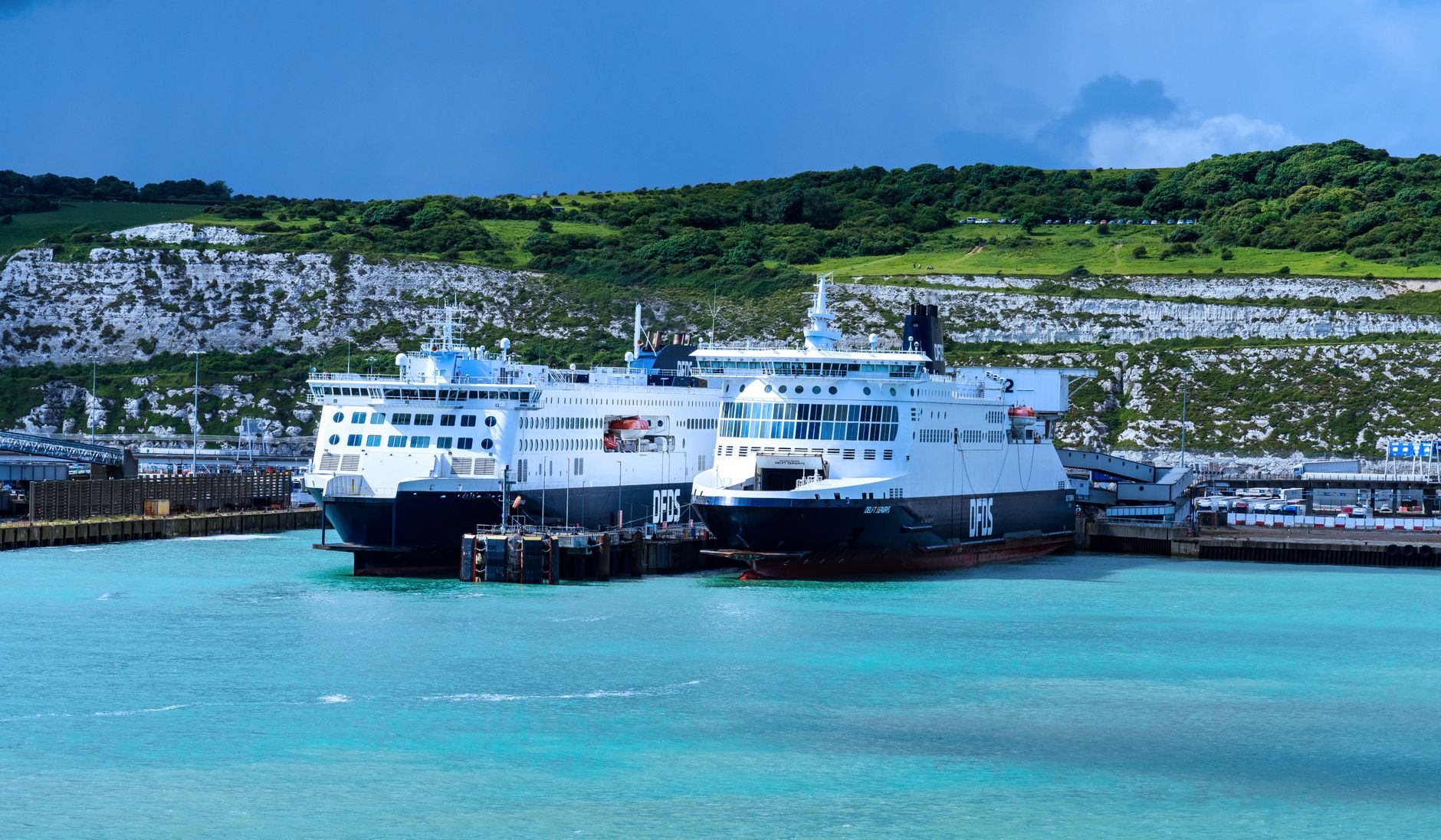
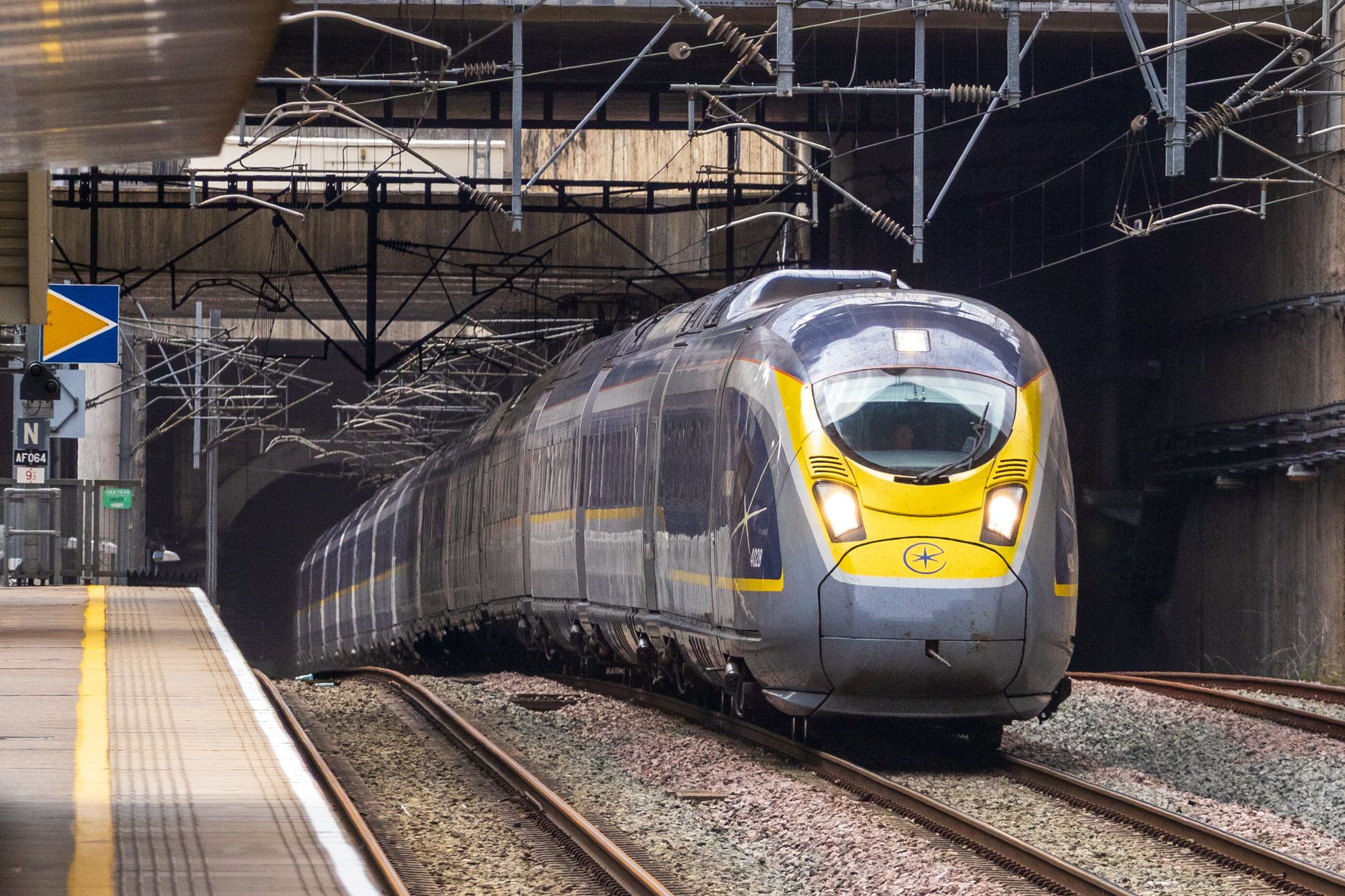
At the three juxtaposed crossings — the Port of Dover, Eurotunnel LeShuttle at Folkestone and Eurostar at St Pancras — French border officers work on British soil, so you complete EES before you leave the UK rather than on arrival. Fly instead, and you enrol at your Schengen destination airport.
Each site built dedicated space for the checks. Eurostar added self-service pre-registration kiosks in three areas of St Pancras before the ticket gates. Eurotunnel created a purpose-built pre-registration zone at Folkestone, and the Port of Dover opened a processing area at its Western Docks, according to official guidance. If you fly out of Manchester or Heathrow, none of this applies until you land — see how crossings compare in our airport versus land border guide.

Step by step: what happens for UK travellers at the juxtaposed border?
You scan your passport at a kiosk, look at a camera for a facial image, place four fingers on the reader, then pass a short officer check — a two-to-five-minute enrolment done before boarding your train, shuttle or ferry. Foot passengers and drivers follow slightly different lanes.
| Traveller type | Where the check happens | What to expect |
|---|---|---|
| Eurostar passenger | Self-service kiosks at St Pancras before ticket gates | Enrol, then normal security and boarding |
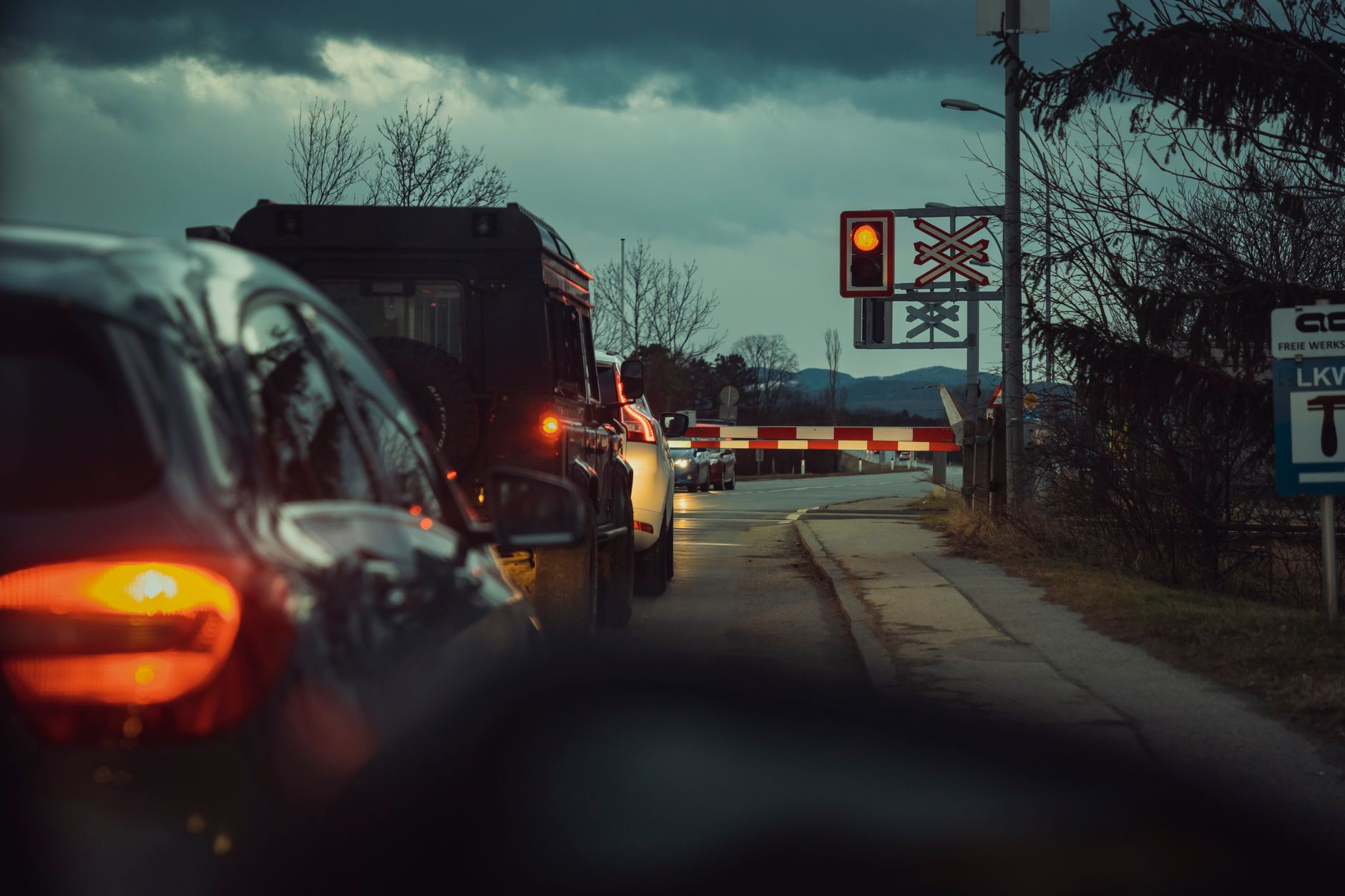
| LeShuttle driver | Pre-registration area at Folkestone, in vehicle lanes | Everyone in the car enrols before boarding |
| Dover ferry passenger | Western Docks processing area | Coach and car passengers checked before sailing |
| Coach group | Dedicated coach processing lanes | Whole group enrols together; allow extra time |
Picture a family driving to Folkestone for a Friday-evening shuttle in July: four passports, four separate enrolments, all before the car rolls onto the train. That is why terminals ask you to arrive with a wider margin than a pre-2026 trip needed.

How should coach passengers and drivers prepare for EES?
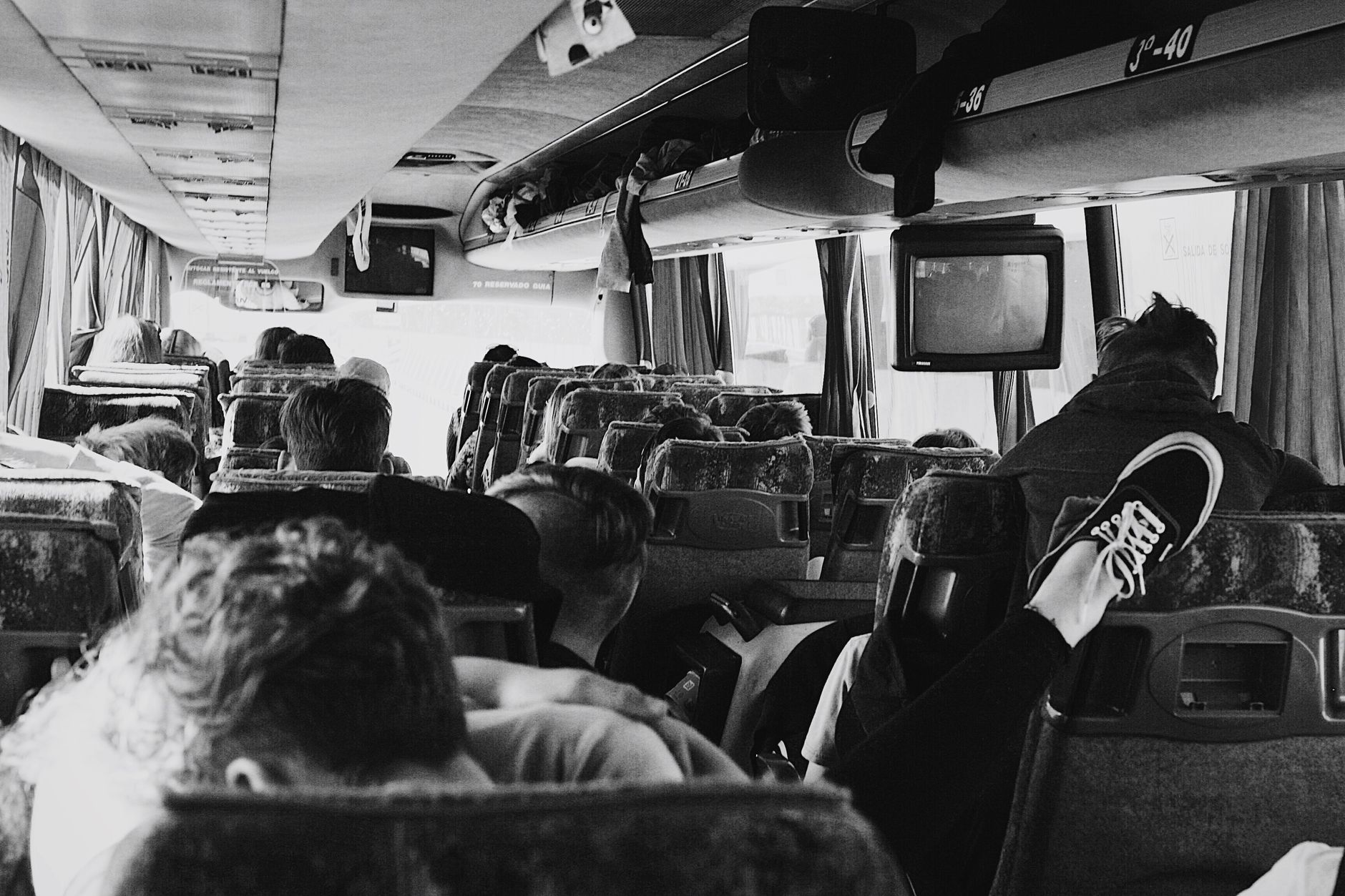
Coach and car travellers should build in extra terminal time, keep every passenger’s passport ready, and expect each person to leave the vehicle or seat to enrol biometrics at the first crossing — group travel takes longest because everyone registers separately. The wait is at the terminal, not the motorway.
School trips and tour coaches feel this most. A 50-seat coach means 50 first-time enrolments, so operators are told to schedule generous buffers. Drivers heading to LeShuttle should book a slot with room to spare and check the Travel Aware campaign before setting off. Keep fingers clean and dry, and have hats and sunglasses off before the camera. For the bigger delay picture across all crossings, read our guide to EES border queues this summer.
A quick real-world example helps. A minibus of eight adults leaving Dover on an August Saturday should treat the terminal, not the ferry gangway, as the slow point. Everyone files through the Western Docks processing area, taps through a kiosk, and only then boards. Turn up an hour earlier than a 2024 trip would have needed, and the extra margin absorbs the enrolment without a missed sailing. Once your record exists, the return leg and every trip for the next three years is a simple verification, not a full sign-up.
Prefer not to handle the ETIAS side yourself once it launches? We can prepare and check your application, so the online authorisation is sorted well before you reach the border.

Do children and families face different EES rules?
Yes — children under 12 give a facial photo and passport scan but no fingerprints, while everyone aged 12 and over completes the full enrolment, and each child needs their own passport and their own record in the system. Family groups should plan for separate checks per person.
For a British family driving through Folkestone, that means the ten-year-old steps to the camera for a photo while the fourteen-year-old does the full adult enrolment. Bring each passport out separately rather than bundled. Planning around the kids? Our notes on ETIAS for minors and family groups cover what changes once the authorisation launches.

How does EES for UK travellers link to ETIAS?
EES for UK travellers records the border crossing itself; ETIAS is a separate online authorisation Britons will need to buy for €20 before travelling, expected to start in the last quarter of 2026 — the two are linked but not the same. One is a border enrolment, the other a pre-travel permit.
Once ETIAS opens, the routine becomes: apply and pay €20 online, get approval, then enrol biometrics at Dover, Folkestone or St Pancras on the day. Travellers under 18 or over 70 pay nothing but still need an approved authorisation. The portal is not live yet, so treat any “apply now” claim with suspicion; the official home is the EU ETIAS入口網站. To compare the fee, see our ETIAS cost guide for UK citizens and the general ETIAS 費用指南. Travelling via Ireland? It stays outside Schengen, as explained in our Ireland travel guide.
Practical tips for UK travellers facing EES
Arrive early at the juxtaposed terminals, carry every passport in hand, remove hats and glasses before the camera, keep fingers clean and dry, and track your 90/180-day allowance, since the system now flags overstays automatically for UK travellers. Preparation is the only way to speed the first crossing.
- Book LeShuttle and Eurostar slots with a comfortable buffer, not the tightest option.
- Have each traveller’s passport out and open before reaching the kiosk.
- Dry hands scan faster — skip hand cream right before the border.
- Watch your 90/180-day count; EES tracks it for you now.
- Get the paperwork ready with our application walkthrough 和 documents checklist for when ETIAS opens.
Not sure whether your trip needs ETIAS on top of the border enrolment? We can review your plans and, once the portal is live, submit and double-check the application for you.
常見問題
Does EES for UK travellers happen before or after I leave Britain?
Before, at the juxtaposed crossings. French officers run EES on UK soil at Dover, Folkestone LeShuttle and Eurostar St Pancras, so you enrol before boarding. If you fly, you enrol on arrival at the Schengen airport instead.
Do I need to do this every trip?
No. Enrolment is a one-time step, valid for three years or until your passport expires. On later trips a kiosk simply matches your live face or fingerprint. A new passport means a fresh registration.
What about coach and school groups?
Every passenger enrols individually, so groups take longer. Operators are advised to schedule generous buffers at the terminal. Under-12s give only a photo, which speeds their part of the process.
Is EES the same as ETIAS?
No. EES is the biometric border record. ETIAS is a separate €20 online authorisation expected in late 2026. When it launches, Britons will need both: an approved ETIAS before travel and EES enrolment at the border.
I’m driving my own car to France — does everyone in the vehicle enrol?
Yes. Every non-EU passenger, including UK passport holders, enrols at the first crossing. At LeShuttle and Dover this happens in the vehicle lanes or processing area before you board, so allow time for the whole car to register.
Disclaimer: europe-visa.eu is an independent assistance service and is not a government body. You can complete your EES border checks in person and, once it opens, apply for ETIAS directly on the official EU portal (€20), or use our checking and support service.
About the author. Anna Reinholt是旅行文件编辑,自2017年以来一直关注欧洲旅行文件,专注于ETIAS和欧盟新边境系统。每份指南在发布前都会根据欧盟官方来源进行核实。
更新时间:2026-07-07
最后更新时间:2026-07-07 — 已根据欧盟及gov.uk官方来源进行核实。