Schengen alanına ilk girişiniz artık farklı görünüyor. AB'den bu yana Giriş/Çıkış Sistemi tamamen operasyonel hale geldi 10 Nisan 2026, her AB dışı ziyaretçi bir EES biyometrik kayıt ilk gezide: bir yüz fotoğrafı, dört parmak izi ve bir pasaport taraması. Eski mürekkep damgasının yerine geçer ve birkaç dakika ekler.
TL;DR: 10 Nisan 2026'den sonra ilk girişinizde, sınır görevlileri veya self-servis kiosk yüzünüzü, dört parmak izinizi ve pasaport verilerinizi kaydeder. Bu kayıt üç yıl boyunca veya pasaportunuzun süresi bitene kadar geçerlidir. 12 yaşın altındaki çocuklar parmak izi vermez. Sonraki gezilerde sadece hızlı bir yüz veya parmak izi kontrolü gerekir, bu nedenle bekleme süresi kısalır.
Bir bakışta temel bilgiler
ETIAS geç 2026'de başlıyor — ilk öğrenenler arasında yer alın
Başvurular açıldığında bir e-posta alın. Spam yok.
- Canlı tarih: sistem 10 Nisan 2026'de tamamen operasyonel hale geldi; 12 Ekim 2025'te başlayan aşamalı bir dağıtımın ardından (European Commission).
- Alınanlar: yüz görüntüsü + dört parmak izi + ilk seyahatta seyahat belgesi verileri (AB Seyahat Portalı SSS).
- Geçerlilik süresi: 3 yıl veya pasaporun son kullanma tarihi — hangisi önce gelirse (UK Government).
- Çocuklar: 12 yaşın altındaki çocuklar parmak izinden muaftırlar; fotoğraf ve belge kontrolü yine de geçerlidir.
- Kapsam: 29 Avrupa ülkesi sistemi dış sınırlarında kullanmaktadır.
- Sonraki adım: ETIAS seyahat yetkilendirmesi (€20) 2026'nın son çeyreğinde başlaması beklenmektedir (EU ETIAS portalı).
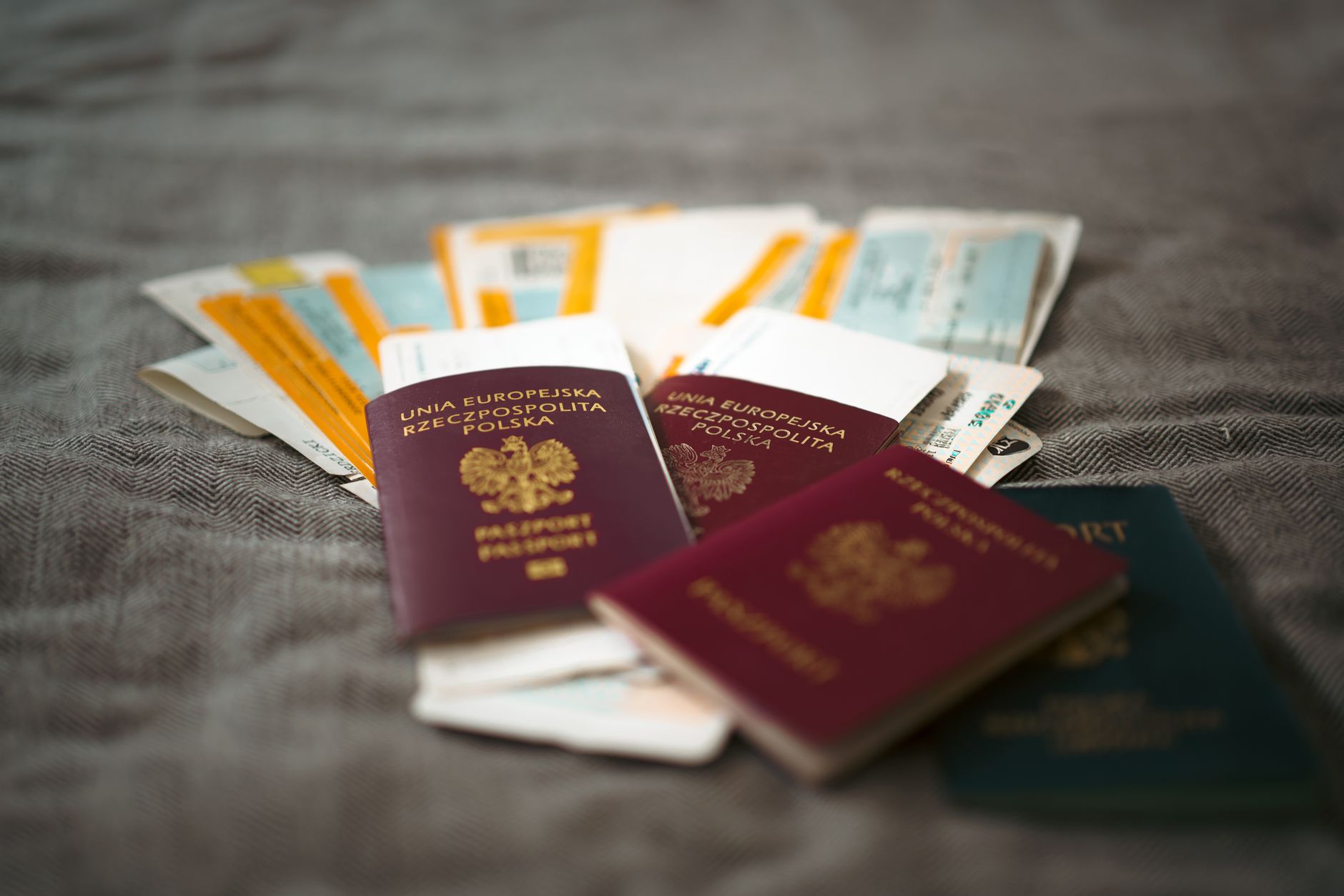
EES biyometrik kaydı nedir ve ne zaman başladı?
EES biyometrik kaydı, yüzünüzün, parmak izlerinizin ve pasaport bilgilerinizin AB Giriş/Çıkış Sistemine tek seferlik kaydıdır ve 10 Nisan 2026'dan beri Schengen dış sınırlarında zorunludur. Sistem her girişi ve çıkışı dijital olarak kaydeder, bu nedenle pasaportlar artık el ile damgalanmaz.
Devreye alma kademeli oldu. Sınır karakolları sistemi şu tarihte etkinleştirmeye başladı: 12 Ekim 2025, ve tam yükümlülük 10 Nisan 2026'da yürürlüğe girdi. Son olarak 2024'te Avrupa'yı ziyaret ettiyseniz, bunların hiçbiri yoktu. Şimdi var. Herhangi bir 180 günlük dönemde 90 güne kadar olan kısa kalışlara uygulanır ve Amerikalılardan ve Kanadalilardan Brexit sonrası İngilizlilere kadar tüm vize muafiyetli gezginleri kapsar. Kayıtı, sınır sisteminin sizde üç yıl boyunca tuttuğu bir dosyayı açmak olarak düşünün — bundan sonra yeni bir pasaport yeni bir kayıt tetikler.
İlk EES sınır kontrolünüzde adım adım neler olur?
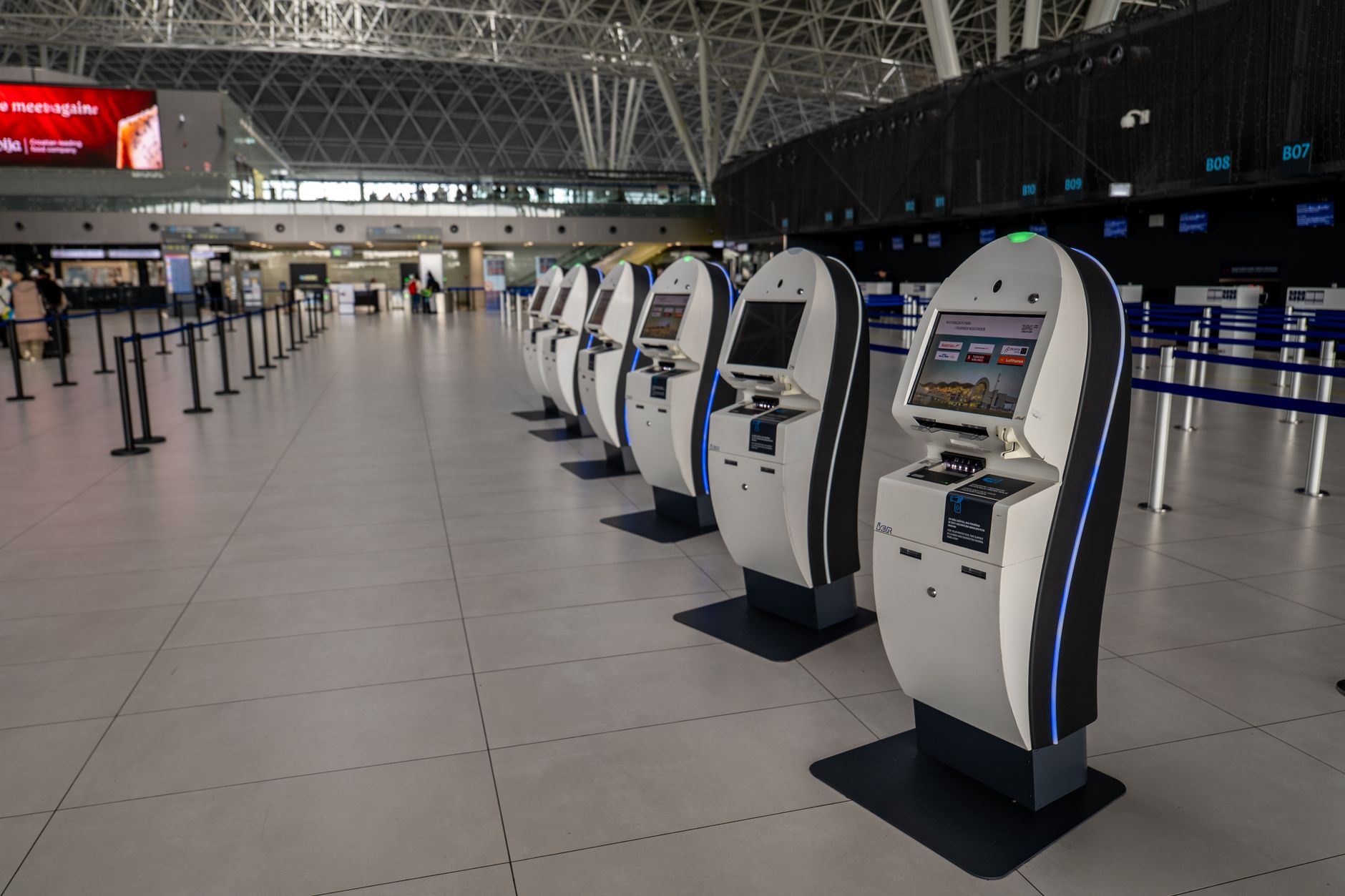
İlk geçişinizde pasaportunuzu tarayarsınız, yüz görüntüsü için bir kameraya bakarsınız ve dört parmağınızı bir okuyucuya yerleştirirsiniz — genellikle kendi kendine hizmet veren bir kiosku, ardından bir memur ile kısa bir kontrol. Tüm kayıt işlemi, normal bir pasaport kontrolünün üzerine yolcu başına kabaca iki ila beş dakika ekler.
İşte çoğu yolcunun havaalanı veya limanında karşılaştığı sıra:
| Adım | Yapmanız gerekenler | Kabaca ne kadar süre |
|---|---|---|
| 1. Pasaport taraması | Fotoğraf sayfasını kiosk okuyucusu üzerine yerleştirin | 20–30 saniye |
| 2. Yüz Görüntüsü | Şapka ve gözlüğü çıkarın, kameraya bakın | 15 saniye |
| 3. Parmak İzleri | Cam tarayıcıya bir elin dört parmağı | 30–45 saniye |
| 4. Memur kontrolü | Kaydı doğrulayın, ziyaret amacı sorularını cevaplayın | 1–2 dakika |
Dört parmak izi ve yüz görüntüsü depolanır, böylece bir sonraki ziyaret daha hızlı olur. Sonraki seyahatlerde kioks, kayıtlı dosyanıza karşı canlı yüzünüzü veya parmak izinizi basitçe eşleştirir — yeniden kayıt yok. Haziran 2026'da Lizbon'a uçan bir gezgin ilk kontrolü “eski pul damgasından daha yavaş, ancak kioskun fotoğrafımı aldıktan sonra memur beni bir dakikadan az sürede geçti” olarak tanımladı. Bu takas: ilk seferde daha uzun, geri dönüşte daha hızlı.
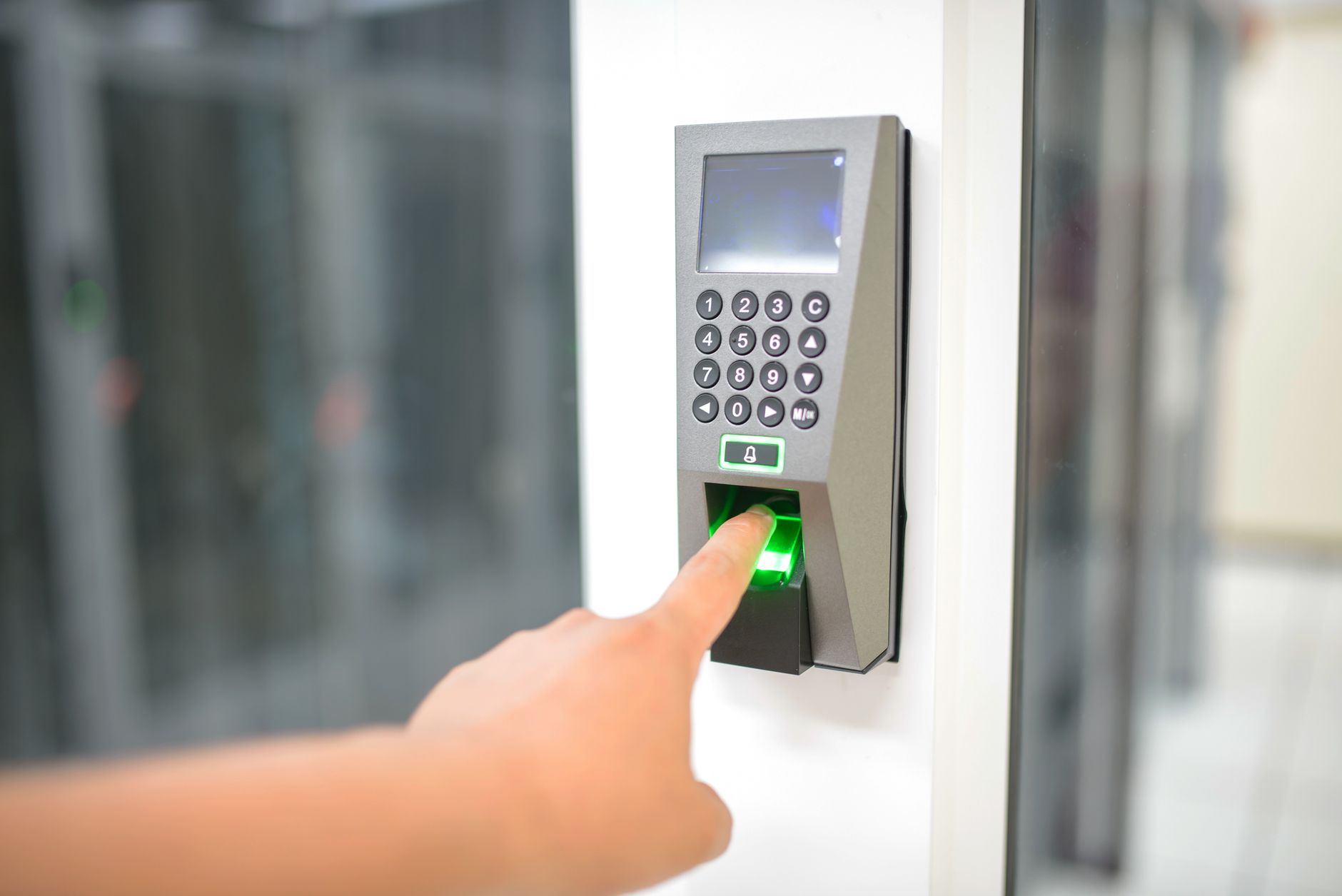
EES biyometrik kaydı sınırda ne kadar zaman alır?
Bireysel kayıt hızlıdır — iki beş dakika — fakat yaz kuyrukları 2026'da gelen herkes ilk kez yaptığı için meşgul havaalanları ve limanlar'da çok daha uzun olabilir. Darboğaz teknolojiyi değil. Aynı yoğun saatlerde kiosklara çarpmayan ilk kez gelenlerin saf hacmidir.
Paris Charles de Gaulle, Amsterdam Schiphol ve Palma de Mallorca gibi büyük merkezlerdeki varış salonları hafta sonu sabahları en ağır baskıyı yaşıyor. Dört kişilik bir aile, her üyenin ayrı ayrı kaydolması nedeniyle on beş ila yirmi dakika eklenebilir. Bir çiftin Ağustos'ta Cumartesi günü Málaga'ya ineceğini düşünün: iki kiosk boş, dört uçak aynı anda iniyor ve 2024'te olmayan bir kuyruk. Dar bir bağlantı mı ayarladınız? Bu yıl daha büyük bir buffer bırakın. Hava, kara ve deniz geçişlerinin nasıl farklılık gösterdiği hakkında daha derinlemesine bilgi için bkz. airport versus land borders.
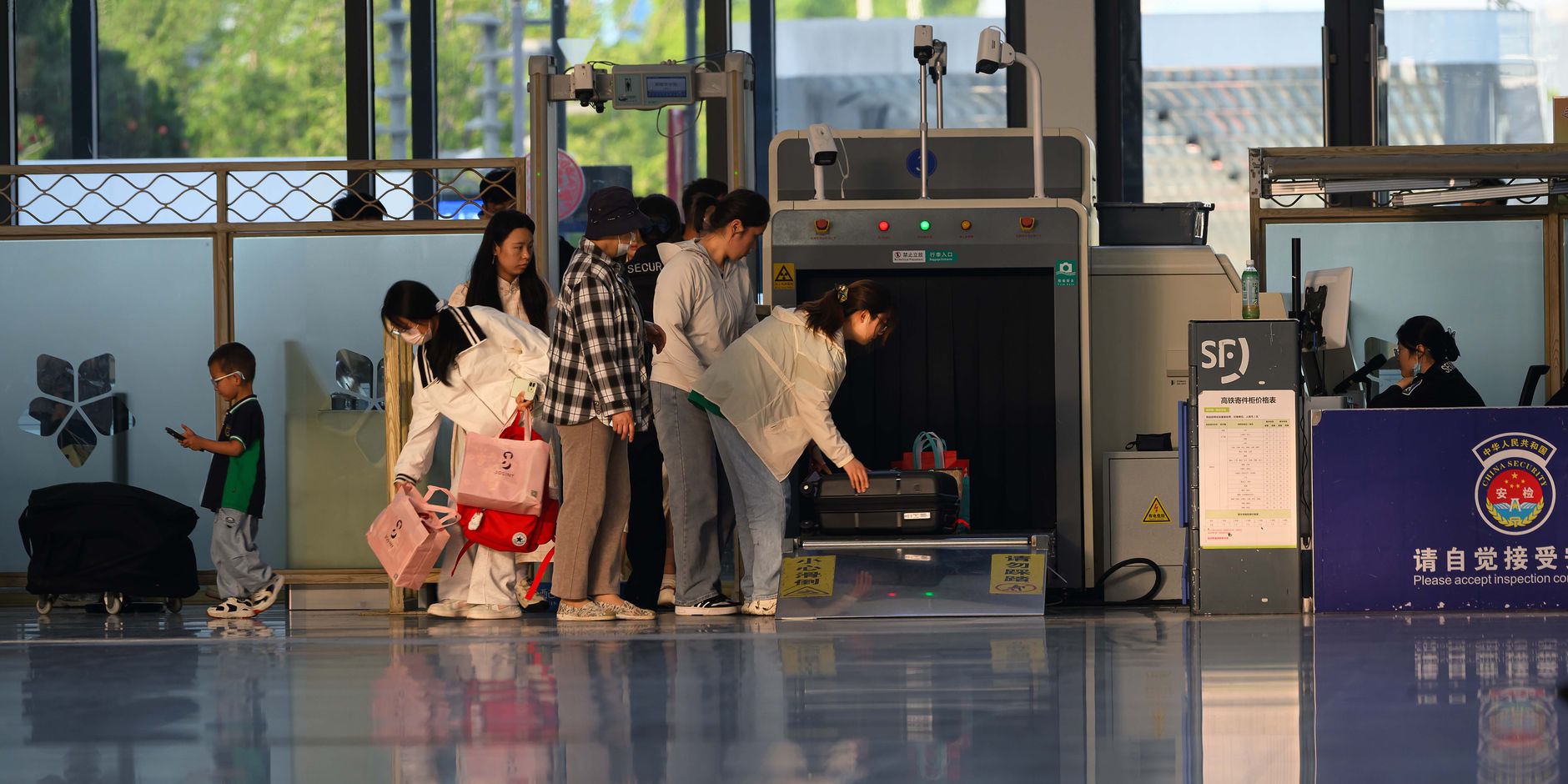
Çocuklar da biyometrik verilerini kaydetmek zorunda mı?
Evet, ancak 12 yaşından küçük çocuklar parmak izi vermez — yalnızca yüz fotoğrafı ve pasaport taraması kaydedilir, 12 yaş ve üzeri seyahatçılar dört parmak izi dahil olmak üzere tam biyometrik kayıt işlemini tamamlar. Her çocuğun hala kendi pasaportu ve sistemde kendi kaydı olması gerekir.
Ebeveynler için bu, okul tatili rutinini yeniden şekillendirir. On yaşındaki bir çocuk kameraya gider, fotoğrafı çekilir, işte bu kadar. On üç yaşındaki bir çocuk, bir yetişkin gibi tam kayıt işlemini tamamlar. Çocuklara ait pasaportları ayrı ayrı getirin ve bir küçük çocuğu kamera sırasına kaldırmaya hazır olun. On sekiz yaşından küçükler ile bir seyahat planlıyor musunuz? Hakkındaki notlarımız minörler ve aile grupları için ETIAS ve sık sorulan ebeveyn soruları ETIAS açıldıktan sonra neler geleceğini kapsayın.
ETIAS başlatıldıktan sonra evraklarla tek başınıza uğraşmayı tercih etmiyor musunuz? Bilgilerinizi kontrol edebilir ve ETIAS başvurusunu sizin için halledebiliriz. Sınır kaydı her zaman şahsen gerçekleşir, ancak seyahat yetkilendirmesi tek başına bir iş olmak zorunda değildir.
EES 2026'nın sonlarında ETIAS'a nasıl bağlanır?
EES sınırdan geçenleri kaydeder; ETIAS, vize gerektirmeyen ziyaretçilerin 2026'nın son çeyreğinde başlaması beklenen uçağa binmeden önce çevrimiçi olarak €20 karşılığında satın almaları gereken ayrı bir ön seyahat yetkilendirmesidir. İki sistem birlikte çalışır ancak aynı belge değildir.
ETIAS aktif hale geldikten sonra, süreç basitleşiyor: çevrimiçi olarak başvuru yapın ve €20 ödeme yapın, onay alın, ardından varışta sınırda biyometrik kaydınızı tamamlayın. 18 yaşın altında veya 70 yaşın üzerinde olanlar hiçbir ücret ödemezler, ancak yine de onaylanmış bir yetkilendirmeye ihtiyaç duyarlar. Portal henüz açık değildir, bu nedenle bugün başvuru yapabileceğinizi iddia eden herhangi bir siteyi görmezden gelin. Portal açıldığında, resmi ana sayfa EU ETIAS portalı. İki şemanın tam olarak nasıl farklı olduğunu görmek için şunu okuyun EES vs ETIAS açıklaması ve EES, ETIAS ile nasıl çalışır.
Sorunsuz ilk EES kaydı için pratik ipuçları
Çevrimiçi ön kayıt yapamayacaksınız — EES biyometrik kaydınız sınırda yapılır, bir uygulamada değil — ancak birkaç küçük alışkanlık kuyruktan gerçek dakikalar kazandırır: temiz kuru parmaklar, başlık erken çıkarılması ve her pasaport elinizde hazır. Hazırlık tek kestirmedir.
- Temiz, kuru parmaklar daha hızlı taranır. El kremi ve ter yeniden okutmaya neden olur.
- Kameraya ulaşmadan önce şapkaları, güneş gözlüklerini ve ağır eşarpları çıkarın.
- Her yolcunun pasaportunu ayrı ayrı taşıyın — bir çanta cebine birlikte koymayın.
- Tutun 90/180 günlük sayım aklında tutun; sistem artık fazla kalışları otomatik olarak işaretler.
- Hub üzerinden eve mi dönüyorsunuz? Dönüş ayağında da ekstra zaman ayırın, diğerleri de kayıt olurken.
ETIAS açıldıktan sonra para planlaması için, ETIAS maliyet rehberi, the adım adım başvuru kılavuzunu görün ve belgeler kontrol listesi ücret ve evrakları açıklamak. Birleşik Krallık gezginleri ayrıca kontrol edebilir Birleşik Krallık vatandaşları için ETIAS maliyetleri.
Seyahatinizin sınır kaydının üstüne ETIAS gerekip gerekmediğinden emin değil misiniz? İtinerarınızı inceleyebilir ve portal açıldığında başvuruyu sizin adınıza sunup kontrol edebiliriz.
Sıkça sorulan sorular
EES biyometrik kaydı bir viza ile aynı şey midir?
Hayır. Bu, bir viza veya yetkilendirme değil, giriş ve çıkışınızın sınır kaydıdır. Viza muafiyeti olan ziyaretçiler biometrik verilerini kaydettirmek zorundadır ve 2026'nın sonundan itibaren seyahat etmeden önce bir ETIAS seyahat yetkilendirmesine ihtiyaç duyacaklardır.
Avrupa'ya her girişte kayıt olmam gerekir mi?
Hayır. Bir kez kayıt olursunuz ve kayıt üç yıl boyunca veya pasaportunuzun süresi dolana kadar geçerlidir. Bundan sonra kiosklar sadece canlı yüzünüzü veya parmak izinizi eşleştirir. Yeni bir pasaport, yeni bir kayıt anlamına gelir.
Sistem gerçekte hangi verileri depolamaktadır?
Yüz görüntünüz, dört parmak izi, pasaport bilgileri ve her giriş ve çıkış tarihi. Bu kayıt, 90/180 günlük kurala göre aşan kalışları otomatik olarak algılamayı destekler. AB Seyahat portalı.
Parmak izlerini reddedebilir miyim?
Hayır. 12 yaş ve üzeri iseniz ve biyometrik kaydı reddetmeniz durumunda, giriş reddedilebilir. 12 yaş altındakiler parmak izi alınmasından muaf tutulur ancak yine de fotoğraf çekilir.
Bir AB ülkesinde ikamet iznim var — yine de kaydı yapmalı mıyım?
Hayır. Schengen devletine ait ikamet izni veya uzun vadeli vize sahipleri kısa vadeli sistem dışındadır ve kaydı atlayabilirsiniz. Bu işlem, sakinler için değil, 90 güne kadar olan kısa ziyaretleri hedeflemektedir. İdinizin durumunu kiosku kanıtlamak için ikamet izninizi yanınızda taşıyın.
Uyarı: europe-visa.eu bağımsız bir yardım hizmetidir ve bir devlet kurumu değildir. EES sınır kaydını şahsen tamamlayabilir ve açıldığında, ETIAS için resmi AB portalında doğrudan başvuru yapabilirsiniz (€20) veya kontrol ve destek hizmetimizi kullanabilirsiniz.
Yazar hakkında. Anna Reinholt, 2017'den beri Avrupa seyahat belgeleri konusunda yazılar yazan ve ETIAS ile AB'nin yeni sınır sistemlerine odaklanan bir Seyahat Dokümantasyon Editörüdür. Her rehber yayınlanmadan önce resmi AB kaynakları ile kontrol edilir.
Güncelleme: 2026-07-07
Son güncelleme: 2026-07-07 — resmi AB ve gov.uk kaynakları ile doğrulanmıştır.
 English
  Shqip
Shqip  العربية
  Français
  ქართული
  עִבְרִית
  简体中文
简体中文  香港中文
香港中文  繁體中文
繁體中文  Español
  Português do Brasil
  日本語
日本語  한국어
한국어  Bahasa Melayu
  Українська
  Română
  Српски језик
  Türkçe