The EU Entry Exit System, known as EES, began rolling out in late 2025 and pairs with ETIAS to digitize every Schengen border crossing. EES captures biometric fingerprints and facial images at entry and exit; ETIAS authorizes travel before departure. Why does the difference matter? Because travelers from the US, UK, Canada, Australia, and 55 other visa-exempt nations now deal with both. This guide walks through biometric data capture, the passport stamping phase-out, and how overstays get flagged automatically. Get it right and you cross borders faster, dodging the costly mistakes that used to trip up unprepared travelers. EES and ETIAS also share infrastructure with other EU border technologies, so learning the basics today sets you up for the wider automation arriving in late 2026 and through 2027 as capacity expands across 30 Schengen states.
What Is the EU Entry Exit System (EES)?
The EES is an automated biometric registry that replaces manual passport stamps across the Schengen area. Rollout started in late 2025, and it covers all 30 Schengen states, including Norway, Iceland, Switzerland, and Liechtenstein. It records fingerprints and a facial image at your first entry, then checks them against you at every crossing after that.
EES also tracks the 90-days-in-180 limit for you. No more counting days on your fingers. See the launch timeline for how EES predates ETIAS by about a year.
ETIAS launches late 2026 — be first to know
One e-mail the day applications open. No spam.
How ETIAS and EES Work Together
ETIAS works before you fly, confirming eligibility and intent online. EES works at the border, verifying your biometric identity and logging your actual movements. The two talk to each other. When an officer checks your fingerprints, your ETIAS status shows up on the same screen, so your entry and exit sit in one linked record.
Run together, the two systems flag unauthorized travelers twice: once pre-flight, once on arrival. Compliance gets checked at both ends. It is the tightest Schengen border setup Europe has ever had.
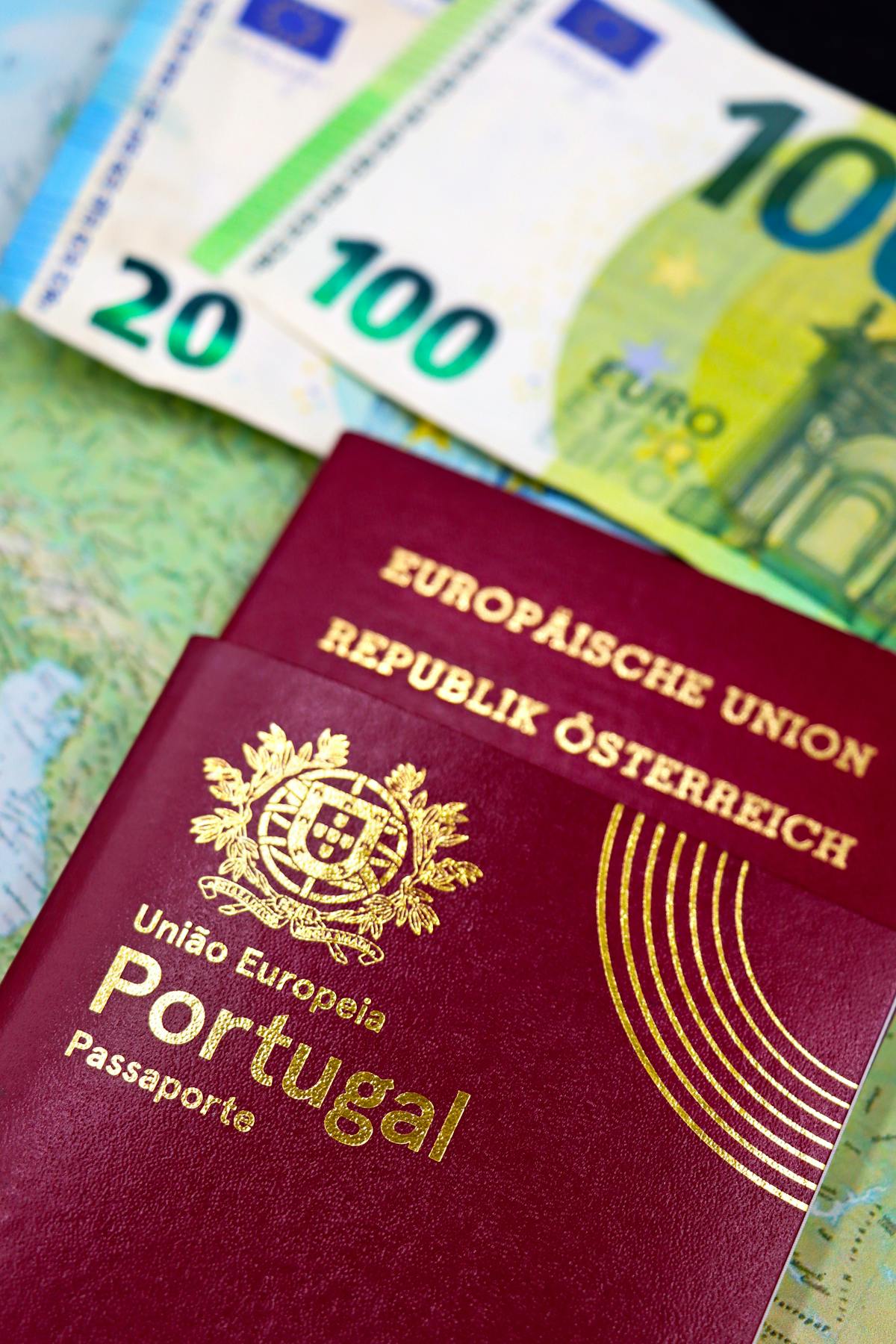
Biometric Data Captured by EES
EES kiosks scan all ten fingerprints and take a facial image on your first Schengen entry. After that, later entries check against the stored data instead of recapturing everything. Children under 12 skip the fingerprints but still get a facial scan. That makes the line move quicker for families with young kids.
Your biometric data is held securely for three years after your last entry, then deleted automatically. Strict retention limits keep the privacy footprint small. See security verification for what authorities check against biometric records.
The End of Passport Stamping
Traditional passport stamps are on the way out across Schengen borders. Electronic entry/exit records take their place completely. During the transition, a few Schengen airports may still stamp passports, but only for non-EU visitors. The shift modernizes record keeping and kills off forged-stamp fraud.
Digital records are easier to verify, share between countries, and audit. An officer pulls up your unified history in seconds. That speeds up entry for compliant travelers and tightens it for anyone the system flags.
Overstay Detection and Automatic Alerts
EES counts your Schengen days automatically and flags anyone over the 90-in-180 limit. Overstays can bring entry bans, fines, and trouble with future visas. The system also separates legitimate exemptions from honest miscounts, passing the tricky cases to a human officer.

You can request your own EES record to check it. Track your days through the official portal. See UK traveler rules for second-home owner tracking after Brexit made this a bigger worry.
Airport Flow With EES and ETIAS
At Schengen airports in 2026, visa-exempt travelers follow a streamlined path: an ETIAS check at check-in, a passport and biometric scan at entry, then an automated gate that opens for pre-registered travelers. Queues get shorter for compliant visitors. Anyone out of order faces longer processing and a manual interview.
Major hubs like Frankfurt, Amsterdam, and Barcelona run dedicated EES lanes. Preparation pays off here. Apply for ETIAS and arrive on time, and you clear the border in minutes instead of half an hour or more.
Land and Sea Border Coverage
EES runs at every Schengen border: road crossings, ferry terminals, and cruise ports alike. Land borders between non-Schengen and Schengen states, such as Serbia into Hungary, use EES kiosks right at the crossing. Arrive by sea at ports like Barcelona or Piraeus, and you complete biometric registration on arrival.
Ferry operators fold ETIAS checks into boarding. Our border entry rules explain how each mode handles verification. Expect ferry passengers to see slightly longer processing during the early rollout.
EES Kiosks and Assistance Services
Self-service kiosks handle most EES registrations, walking you through multi-language screens. You place your fingers on the sensor, look at the camera, and scan your passport. Staff step in for anyone uneasy with the tech, especially seniors or families juggling several children.

Disabled travelers get priority assistance at every Schengen airport, so accessibility stays consistent. The kiosks handle dozens of languages, which keeps EES usable no matter how fluent you are in the local one.
Privacy and Data Protection Under EES
The EU stores EES data under GDPR-compliant rules. Biometrics are encrypted, and access stays limited to authorized border authorities and investigation teams. Retention runs three years after your last entry, then automatic deletion. The design keeps data from piling up.
You can also ask to see your own EES record; those transparency rights apply to everyone. See what authorities check for a look at which databases cross-reference EES biometrics at each border entry.
Troubleshooting Common EES and ETIAS Issues
Technical glitches at EES kiosks can slow entry now and then. Staff usually sort it out within minutes. If a fingerprint reader struggles with dry skin, scars, or age, just ask for manual help. A bit of patience and a word with the officer clears up most situations.

ETIAS-EES sync problems are rare, though they can crop up during major system updates. Carry a printed ETIAS confirmation alongside your passport. See border entry rules for guidance on airports, ferry terminals, and land crossings, where the snags differ.
EES and ETIAS Integration Overview
The table below compares ETIAS and EES, showing what each system does, where it operates, and what travelers must do to remain compliant.
| System | Stage | Data Captured | Traveler Action |
|---|---|---|---|
| ETIAS | Pre-travel | Personal and travel data | Apply online |
| EES | At border | Fingerprints and face | Scan at kiosk |
| Combined | Full trip | Electronic record | Carry passport |
| Data retention | 3 years after exit | Encrypted storage | Request access if needed |
| Exit tracking | Every departure | Time stamped | Avoid overstay |
Frequently Asked Questions
When did EES start operating in Europe?
EES began rolling out in late 2025 and reaches full deployment through 2026. A handful of airports switched on kiosks earlier, during pilot phases. Expect to meet biometric gates at major European hubs well before ETIAS launches fully in Q4 2026.
Do I need to do anything at the border if I have ETIAS?
Yes. You still complete EES biometric registration on your first entry after deployment. ETIAS on its own is not enough; the border needs biometric verification too. Leave extra time for that first Schengen arrival once the full EES rollout is done.
Are fingerprints collected at every entry to the Schengen area?
Only at your first entry within the three-year retention window. After that, entries lean on facial recognition and your stored fingerprints for faster checks. Repeat travelers get quicker crossings once that first registration is done at any Schengen airport.

Can I refuse biometric data collection under EES?
No. Biometric registration is mandatory for visa-exempt travelers crossing Schengen borders. Refuse, and you are denied entry. If biometrics are a dealbreaker, look at alternatives such as longer stays under national visas, which follow different procedures.
How does EES detect overstays automatically?
The system compares your entry and exit timestamps and totals your days across any rolling 180-day window. Go over, and it alerts border officers straight away. Even an accidental overstay risks fines and a future ETIAS rejection, grace period or not.
Are children required to use EES kiosks?
Children over 12 go through full biometric capture. Younger ones give only a facial image, with a parent supervising. So families with little kids clear the system faster than those with teenagers, who need full fingerprint enrollment at each first entry.
What if a biometric check fails at the border?
A failed check hands you to an officer, usually sorted within minutes through passport review and a re-capture. If it keeps failing, you may need a new passport or consular help. See processing time for border delay expectations.
Final Thoughts
The EU Entry Exit System changes how visa-exempt travelers cross Schengen borders. Tied to ETIAS, it forms the most comprehensive border security and efficiency platform Europe has run. Biometrics replace passport stamps and track overstays on their own. Compliant travelers move through airports, ferries, and land borders with barely a pause. Plan ahead: line up your ETIAS application and passport renewal, and get ready for EES biometric enrollment on your next European trip. Revisit the launch timeline to keep up with deployment milestones through 2026. The EU keeps investing in kiosks, biometric gates, and training, so by 2027 the border should feel noticeably smoother than it does today. Learn the system now and you buy yourself years of easy crossings while newcomers still fumble at the big airports. Early familiarity pays off for frequent visitors and once-a-year tourists alike.
 English
 Shqip
 العربية
 Français
 ქართული
 עִבְרִית
 简体中文
 香港中文
 繁體中文
 Español
 Português do Brasil
 日本語
 한국어
 Bahasa Melayu
 Українська
 Română
 Српски језик
 Türkçe