An ETIAS denied appeal is the formal process travellers use to challenge a rejected ETIAS application and have the decision reviewed by European authorities. If your ETIAS was refused, you are not automatically barred from Europe — you have defined rights under EU regulation to appeal, reapply, or seek clarification.
TL;DR: If your ETIAS is denied, you receive a written refusal with a reason code. You can lodge an appeal within 30 days to the national responsible authority of your intended entry country. Appeals are free, take up to 90 days, and succeed most often when supported by additional documentation. You can also reapply immediately with corrected information.
| Fact | Detail |
|---|---|
| Appeal window | 30 days from refusal notification |
| Appeal cost | €0 — free of charge |
| Processing time | Up to 90 days for full review |
| Reapplication | Allowed immediately with new/corrected data |
| Legal basis | ETIAS Regulation (EU) 2018/1240, Article 37 |
Understanding the ETIAS rejection reasons is the critical first step. The refusal notice you receive will include a standardised reason code — this tells you whether your appeal should focus on security screening, travel history, incomplete documentation, or a database hit. Each ground requires a different response strategy.
ETIAS launches late 2026 — be first to know
One e-mail the day applications open. No spam.
Why ETIAS Applications Get Denied
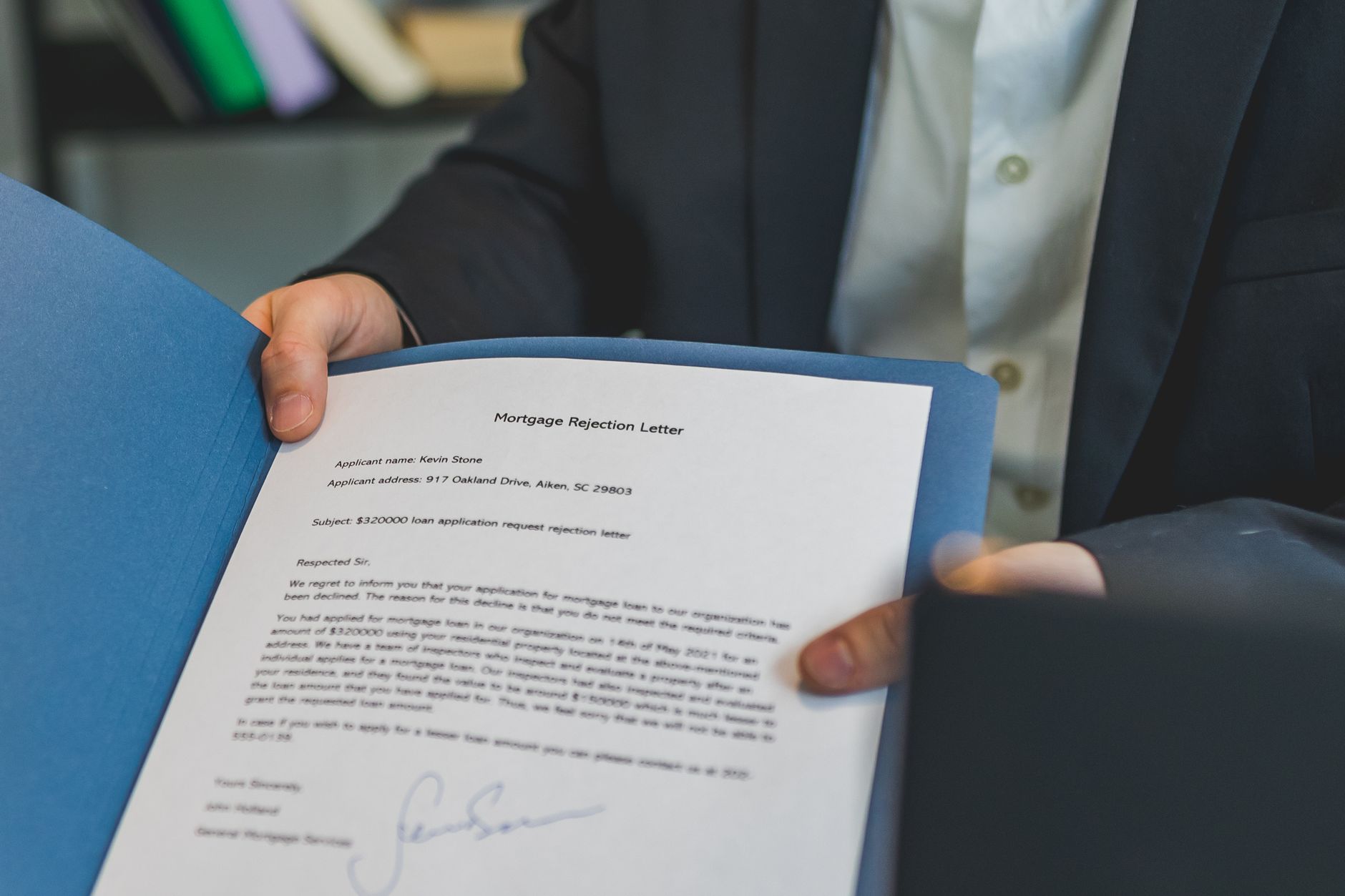
ETIAS refusals in 2026 fall into a small number of defined categories under the ETIAS Regulation. The automated screening system checks your personal data against six EU security databases simultaneously, and any alert — even an expired Interpol notice or a minor database inconsistency — can trigger a refusal requiring manual review.
The most common grounds for an ETIAS denied decision include a hit in the Schengen Information System (SIS II), a positive match in the Interpol TDAWN or SLTD database, a previous overstay in the Schengen Area, inconsistency between your application data and passport records, or a flagged travel document. You can read more about how criminal record checks affect ETIAS and what security questions European authorities check.
| Refusal Category | Likely Cause | Appeal Strategy |
|---|---|---|
| Security database hit | SIS / Interpol match | Request data subject access + correct record |
| Overstay history | Previous Schengen violation | Evidence of compliance + letter of explanation |
| Document inconsistency | Name/DOB mismatch | Certified translations, marriage certificate |
| Incomplete data | Missing fields or errors | Reapply immediately with correct information |
| Travel document issues | Expired or reported lost passport | Renew document, provide police report |
Pro tip: Before lodging a formal ETIAS denied appeal, request a free data subject access report from eu-LISA (the EU Agency for the Operational Management of Large-Scale IT Systems). This reveals exactly which database flagged your application — you cannot build an effective appeal without knowing the specific ground.
How to Lodge an ETIAS Appeal: Step-by-Step
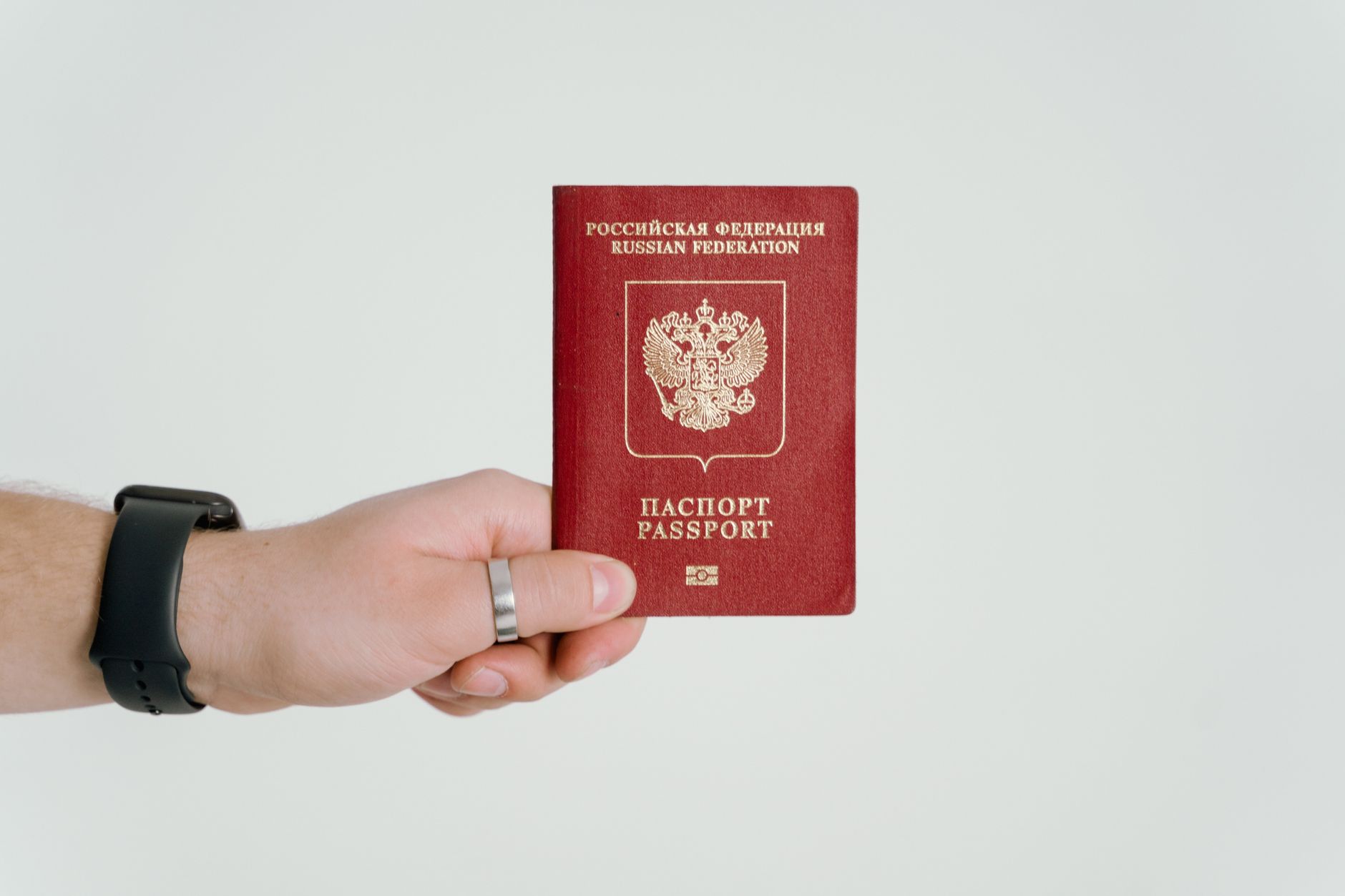
The ETIAS appeal process is handled at national level by the competent authority of the Schengen member state you listed as your primary destination. This is important: if you plan to visit France first, the French ETIAS National Unit handles your appeal, not the central ETIAS Central Unit. For a full breakdown of entry rules, see ETIAS air, land and sea border entry rules.
- Read your refusal notice carefully. The notification email contains a reason code and the name of the responsible national authority. Save the reference number — you will need it on all correspondence.
- Request your ETIAS file. Under GDPR Article 15, you can ask eu-LISA for a copy of all personal data held about you in the ETIAS Central System within 30 days. Submit the request at the relevant national authority portal.
- Identify the specific ground. Match the reason code in your refusal to the grounds in Article 37 of Regulation (EU) 2018/1240. This determines what supporting documents you need.
- Gather supporting evidence. Depending on the ground: police clearance certificates, court documents showing charges dropped, travel history records, corrected passport scans, bank statements for financial standing, or a letter from an employer confirming travel purpose.
- Submit the appeal in writing to the national ETIAS authority within 30 days of receiving the refusal. Most member states accept submissions via a dedicated online portal or registered post. Appeals must include your reference number, full name, date of birth, and nationality.
- Await the decision. Authorities must respond within 90 days. During this period your refusal stands — you cannot enter the Schengen Area. Track the status using your reference number.
- If appeal fails, consider judicial review. Every EU member state offers the right to challenge administrative decisions in its national courts. Legal aid may be available.

While your appeal is pending, you may also reapply for ETIAS using corrected or updated information — there is no rule against simultaneous applications. If the original refusal was caused by a simple data entry error (wrong date of birth, misspelled name), reapplying with the correct details is faster than waiting for the 90-day appeal review. Learn about the full ETIAS application process step by step.
Documents That Strengthen Your ETIAS Appeal
The strength of an ETIAS denied appeal depends almost entirely on the supporting documentation you provide. Authorities cannot overturn a database match without concrete evidence that the match is erroneous, outdated, or does not apply to you.
For a security database hit: obtain a police clearance certificate from every country where you have lived for more than 6 months, a statement of charges if a criminal case was dropped or acquitted, and legal correspondence confirming the case disposition. The ETIAS official portal provides guidance on which records can be corrected.
For an overstay-related refusal: gather your historical travel records, entry and exit stamps, and any documentation showing the overstay was involuntary (medical emergency, flight cancellation, etc.). Evidence of Schengen compliance on all subsequent trips is also useful. See how the Schengen 90/180-day rule works.
For a document inconsistency: certified translations of name-change documents (marriage certificate, deed poll), dual-name statutory declaration, and a cover letter explaining the discrepancy from a licensed solicitor or notary.
Check the full ETIAS requirements and documents guide to ensure your baseline application is complete before reapplying. You may also want to review ETIAS eligible nationalities and ETIAS documents needed for further context.
Reapplying vs Appealing: Which Is Better?

For many travellers, reapplying immediately is faster and more practical than waiting 90 days for an appeal outcome. The right choice depends on the refusal ground.
Choose to reapply immediately if: your refusal was caused by a data entry error, an outdated travel document, a missing answer, or an incorrect date. A new application with corrected information is processed in 3–4 days and costs €20. See ETIAS payment methods for how to pay the fee.
Choose to appeal (or appeal and reapply simultaneously) if: the refusal relates to a database hit, a past criminal matter, or a security question that will not be resolved by correcting the application form. Until the database record is corrected, reapplying will produce the same refusal. The appeal forces authorities to review the underlying data.
- Timeline comparison: New application = 3–4 days. Appeal = up to 90 days.
- Cost comparison: New application = €20. Appeal = free.
- Success rate: Highest when both are pursued simultaneously for database-related refusals.
- Legal standing: A successful appeal updates EU security databases, protecting you in future border crossings.
For travellers whose refusal involves a security flag, the ETIAS refusal 2026 guide provides detailed country-by-country contact information for national ETIAS units. You can also check ETIAS refunds and withdrawn applications if you want to withdraw your application instead.
ETIAS Denied Appeal: Practical Tips

- Act within 30 days. The appeal window is strict. Requests received after 30 days may be rejected on procedural grounds before the merits are even considered. See ETIAS approval timeline for context on processing times.
- Write in the official language of the receiving country. While most national ETIAS units accept English, submitting in the national language (or both) reduces processing delays.
- Keep certified copies of everything. Submit only certified copies to authorities — retain originals. You may need the same documents for a visa application if the ETIAS appeal ultimately fails.
- Check if a Schengen visa is an alternative. If you need to travel urgently and your ETIAS appeal is pending, some nationalities can apply for a traditional Schengen visa via the embassy of your intended destination. This route is slower and more expensive but remains open while the ETIAS system is contested.
- Monitor the official ETIAS portal. The European Travel Information and Authorisation System portal at travel-europe.europa.eu is the authoritative source for updates on your application status.
Frequently Asked Questions
What does “etias denied appeal” mean?
An ETIAS denied appeal is the formal process of challenging a refused ETIAS travel authorisation. Under EU Regulation 2018/1240, any applicant whose ETIAS is rejected has the right to request a review by the responsible national authority of the relevant Schengen member state within 30 days of receiving the refusal notice.
Can I still travel to Europe while my ETIAS appeal is pending?
No. A pending ETIAS appeal does not grant permission to enter the Schengen Area. Your original refusal remains in force until the appeal is decided or a new application is approved. Some travellers apply for an emergency Schengen visa through an embassy while the appeal is reviewed.
How long does an ETIAS appeal take?
National ETIAS authorities must decide on an appeal within 90 days of receiving it. In practice, straightforward cases involving documentation errors are often resolved faster. Complex cases involving security database hits may take the full 90 days.
Is the ETIAS appeal free?
Yes. Lodging an ETIAS denied appeal costs nothing. The €20 application fee you paid originally is non-refundable, but the appeal itself is free. If your appeal fails and you choose to reapply, a new €20 fee applies.
Can I reapply for ETIAS after a denial?
Yes, you can reapply immediately after a denial. There is no mandatory waiting period. However, if the original refusal stemmed from a database hit rather than an application error, a new application with identical information will produce the same result until the underlying data is corrected through the appeal process.
Which country’s authority handles my ETIAS appeal?
The national ETIAS unit of the Schengen member state you listed as your primary destination handles the appeal. If you planned to visit Italy first, the Italian ETIAS National Unit is the competent authority, even if you also intended to visit France or Spain.
What happens if my ETIAS appeal is rejected?
If your appeal is rejected, you have the right to challenge the decision in the national courts of the relevant member state under that country’s administrative law. Legal aid may be available. Alternatively, you can apply for a traditional Schengen visa through an embassy — visa applications are assessed independently of the ETIAS system.
Does a denied ETIAS affect future travel?
A refused ETIAS is recorded in the ETIAS Central System. Future applications will be flagged, and border officers can see that a previous authorisation was denied. Successfully appealing and having the record corrected prevents this from becoming a permanent barrier. Read about ETIAS expiry rules and ETIAS renewal for context on how authorisations are managed over time.
 English
  Shqip
Shqip  العربية
  Français
  ქართული
  עִבְרִית
  简体中文
简体中文  香港中文
香港中文  繁體中文
繁體中文  Español
  Português do Brasil
  日本語
日本語  한국어
한국어  Bahasa Melayu
  Українська
  Română
  Српски језик
  Türkçe