Not yet in 2026 — ETIAS is not running, and the EU has dropped its last-quarter-2026 target without setting a new date. Once it launches, you will need it: Cyprus sits outside Schengen but is on the official ETIAS list of 30 countries, so visa-exempt travellers will need the €20 authorisation. This guide explains who is affected, what Cyprus’s unusual status means for your trip, and how to get ready before the portal opens.
TL;DR: Cyprus is not in Schengen, but it is one of the 30 countries covered by ETIAS. Once ETIAS launches (no official date yet — the late-2026 target was dropped), visa-free visitors such as Americans, Canadians and Australians will need an ETIAS costing €20, valid for three years. Travellers under 18 or over 70 pay nothing. You cannot apply yet.
| Quick Facts: ETIAS and Cyprus | Detail |
|---|---|
| Is Cyprus covered? | Yes — one of 30 ETIAS countries |
| Cyprus in Schengen? | No — EU member, separate border rules |
| Fee | €20 (free under 18 and over 70) |
| Validity | 3 years, or until your passport expires |
| Stay limit | 90 days in any 180-day period |
| Launch | Not in operation; no official date yet (2026 target dropped) |

Cyprus confuses a lot of people. It joined the EU in 2004 but has never entered the Schengen zone, so its entry rules work slightly differently from Greece or Malta. If you want the wider picture first, our overview of what ETIAS actually is and the full list of countries that need ETIAS both set the scene. Below, we focus purely on the island.
ETIAS launches late 2026 — be first to know
One e-mail the day applications open. No spam.
Do you need ETIAS for Cyprus?
You need ETIAS for Cyprus if you hold a passport from a visa-exempt non-EU country and you plan to visit once the system launches (no official start date yet). That includes US, UK, Canadian, Australian, Japanese and dozens of other nationalities. EU and EEA citizens never need it, and neither do people who already hold a Schengen residence permit.
The confusion comes from Schengen. Most travellers assume ETIAS only applies to Schengen countries. Cyprus breaks that assumption. The European Commission lists 30 states that require ETIAS, and Cyprus is the single EU member on that list that has not yet joined Schengen (European Commission ETIAS pages, accessed 8 July 2026). So the island is inside the ETIAS net even though your passport won’t get a Schengen stamp there.
Check your own nationality against the official rules. Our guides for US citizens, UK citizens and Canadian citizens spell out each case. If a country needs a full Schengen visa today, ETIAS won’t apply to them — the eligible nationalities list is the place to confirm.
Cyprus, the EU and Schengen: why the status matters
Cyprus is legally committed to join Schengen but has not done so yet, which is why it runs its own passport checks. Practically, this means your days in Cyprus count under a separate 90/180 clock, not the Schengen one. A three-week Cyprus holiday does not eat into your Schengen allowance for France or Spain.

That separation is the single most useful thing to understand. Bulgaria and Romania finally scrapped their internal Schengen land-border checks on 1 January 2025, leaving Cyprus and Ireland as the two EU countries outside the free-movement zone (EU Home Affairs on the Schengen area, accessed 8 July 2026). Ireland is not part of ETIAS at all. Cyprus is — a genuine one-off.
| Feature | Cyprus | A Schengen country (e.g. Greece) |
|---|---|---|
| EU member | Yes | Yes |
| Schengen member | No | Yes |
| ETIAS required (once launched) | Yes | Yes |
| 90/180 day count | Separate Cyprus clock | Shared Schengen clock |
| Passport check at entry | Always | Only external Schengen borders |
Pro tip: Planning a two-country trip — say Athens then Larnaca? Track the dates in two columns. Your Greek nights sit under the Schengen limit; your Cypriot nights sit under Cyprus’s own limit. Mixing them up is the classic way people accidentally overstay one zone while thinking they’re fine.
For a deeper look at how these day-counts work, our guide to the 90/180-day rule walks through worked examples, and the ETIAS and Schengen difference guide covers the borders in detail.
How much ETIAS for Cyprus costs and how long it lasts
ETIAS for Cyprus costs €20 for a single application, and that one authorisation covers Cyprus plus every other ETIAS country. It stays valid for three years, or until your passport expires — whichever comes first. Applicants under 18 or over 70 are exempt from the fee but still need to apply.
The €20 price was confirmed by the European Commission in July 2025, up from the €7 figure floated in earlier drafts (European Commission fee announcement, 17 July 2025). One payment, one three-year window, unlimited trips inside the 90/180 rule. You do not pay again each time you fly to Paphos.

Want the numbers laid out in full? See our ETIAS cost guide and the breakdown of accepted payment methods. Not sure your authorisation will outlast your passport? The validity and passport-renewal guide answers that exact scenario.
Thinking about letting someone handle the paperwork for you? You can apply directly on the official EU portal for €20 once it opens, or use our checking and support service so a person reviews your answers before you submit. Either route gets you the same authorisation.
How to apply for ETIAS for Cyprus, step by step
Applying for your authorisation will take most people 10 to 20 minutes on the official EU website once it launches. You fill in passport and travel details, answer security questions, pay €20, and wait for approval — usually within minutes, though some cases take up to 30 days.

- Check the portal is live. ETIAS is not open yet. The EU has dropped its last-quarter-2026 target and not yet set a new date, so bookmark the launch-date guide and don’t trust any site claiming to take applications now.
- Get your biometric passport ready. It must be valid for your whole trip. Have the documents you need to hand before you start.
- Complete the online form. Name, passport number, first EU country of arrival, plus background and security questions (who should apply, European Commission, accessed 8 July 2026).
- Pay the €20 fee. By card or another accepted method. Under-18s and over-70s pay nothing.
- Wait for the email. Most approvals land within minutes; a minority take longer. Check the approval timeline if yours is slow.
One warning worth repeating: only the official europa.eu portal and licensed helpers are legitimate. Fake ETIAS sites are already online, harvesting card details for a service that hasn’t launched. Read our scam-site warning and the difference between official and third-party applications before you type in any details.
Practical tips for travelling to Cyprus in 2026
Because Cyprus stands apart from Schengen, a little planning saves headaches. Once ETIAS is live, apply well before you fly, keep your two day-counts separate, and remember that ETIAS is a travel authorisation — not a guarantee that a border officer must let you in.
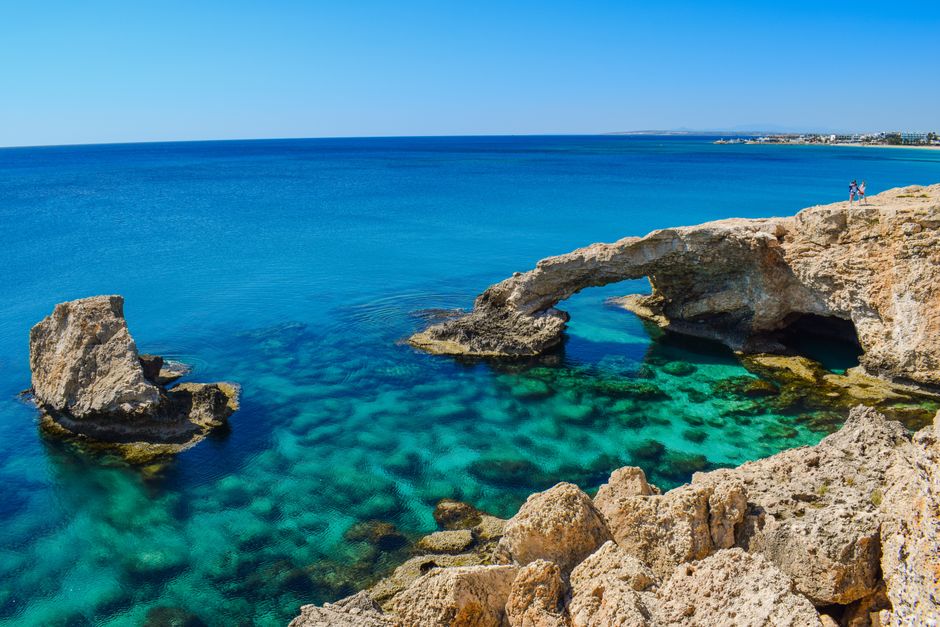
- Apply early: most approvals are instant, but budget a few days in case yours is flagged. Booking flights before you have ETIAS is a small gamble.
- Divided island: the Republic of Cyprus controls the south. Crossing to the north brings extra checks — plan that leg carefully and carry your passport.
- Travel cover: ETIAS does not include health insurance, so arrange your own. Our travel insurance guide explains what to look for.
- Combining trips: flying Cyprus-then-Greece? See how a multi-country route stacks up so you don’t miscount your days.
Not keen on filling in the form yourself? We can check and submit your ETIAS for you, which older travellers in particular tell us takes the stress out of the security questions. We are an independent assistance service, not a government body — you can always apply directly on the official EU portal instead.
Frequently Asked Questions
Do I need ETIAS for Cyprus if I’m a US citizen?
Not yet. Once ETIAS launches (no official date yet), US citizens and other visa-exempt travellers will need an ETIAS to enter Cyprus. It will cost €20, cover three years, and take minutes to apply for online. See our US citizens guide for the details.
Is Cyprus in the Schengen area?
No. Cyprus is an EU member but not a Schengen country. It runs its own passport checks and keeps a separate 90/180-day count. It is still on the ETIAS list, unlike Ireland, which is neither Schengen nor ETIAS.
Can I apply for ETIAS right now?
No. The ETIAS portal has not launched. The EU has dropped its last-quarter-2026 target and has not yet announced a new start date. Any website taking “applications” today is not legitimate, so wait for the official europa.eu system to open.
Does time spent in Cyprus count towards my Schengen 90 days?
No. Because Cyprus is outside Schengen, your Cyprus days sit under a separate limit. Two weeks in Cyprus will not reduce the 90 days you can spend in France, Germany or the wider Schengen zone.
How much does ETIAS cost for children visiting Cyprus?
Nothing in fees. Applicants under 18 are exempt from the €20 charge, as are those over 70. They still need their own approved ETIAS linked to a valid passport before travelling.
How long is an ETIAS valid for Cyprus?
Three years, or until your passport expires — whichever is sooner. Within that window you can visit Cyprus and other ETIAS countries as often as you like, subject to the 90-days-in-180 stay rule.
What happens if I visit Cyprus without ETIAS after launch?
An airline can refuse to board you, and Cypriot border officers can turn you away. Once the system is mandatory, no valid ETIAS means no travel — so apply before you leave home.
Anna Reinholt is Travel Documentation Editor at europe-visa.eu and has written about European travel documents since 2017. This guide was checked against official EU sources before publication.
Last updated: 2026-10-09 — verified against official EU sources.
 English
 Shqip
 العربية
 Français
 ქართული
 עִבְרִית
 简体中文
 香港中文
 繁體中文
 Español
 Português do Brasil
 日本語
 한국어
 Bahasa Melayu
 Українська
 Română
 Српски језик
 Türkçe