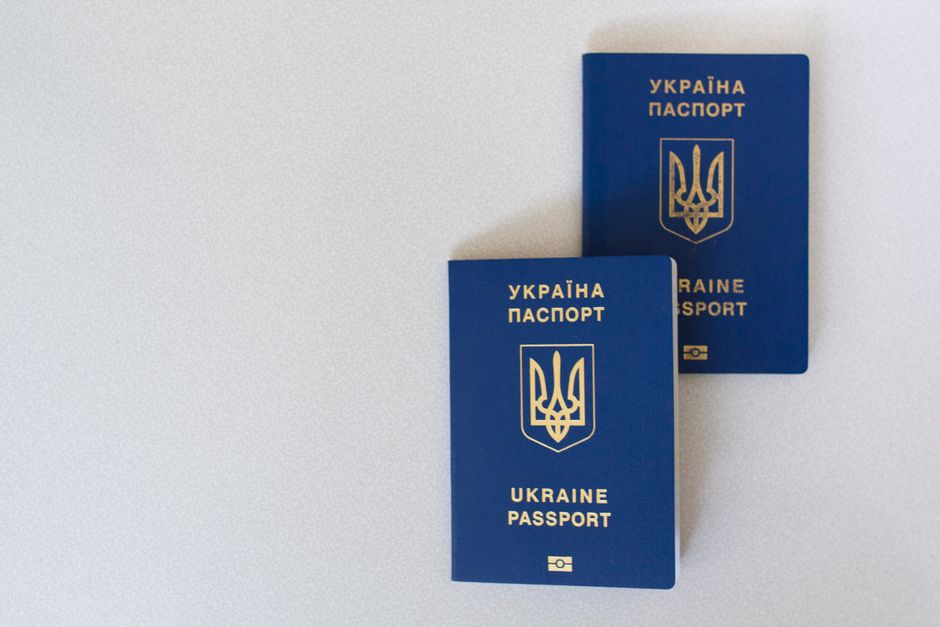
ETIAS for Ukrainian citizens will be required once the system launches (the EU has not yet announced a start date), because Ukrainians with biometric passports have travelled to the EU visa-free since 2017. The authorisation will cost €20, last up to 3 years, and cover short stays of 90 days in any 180. Ukrainians with EU temporary protection status or residence permits are exempt.
TL;DR: Ukraine sits on the EU visa-free list, so Ukrainians with biometric passports will need ETIAS for tourist or business trips. The fee is €20 (free for under-18s and over-70s). Anyone with temporary protection status or an EU residence permit skips ETIAS and travels on that document instead. The portal is not open yet.
| Quick Facts: ETIAS for Ukrainians | Detail (2026) |
|---|---|
| Visa-free since | 2017 (biometric passports only) |
| Will Ukrainians need ETIAS? | Yes — visa-free travellers must apply |
| Cost | €20; free for under-18s and over-70s |
| Validity | Up to 3 years or until the passport expires |
| Temporary protection holders | Exempt — travel on the protection document |
| Launch | Start date not yet announced (not open yet) |
Ukraine’s visa-free status changed travel for millions when it arrived in 2017. ETIAS does not undo it — it adds a quick online step for short trips. To see the wider framework, read our what is ETIAS guide and the ETIAS countries list for 2026.
ETIAS launches late 2026 — be first to know
One e-mail the day applications open. No spam.
Do Ukrainian citizens need ETIAS?
Yes, most will. Once the scheme starts, anyone with a biometric Ukrainian passport travelling to the Schengen area for tourism, business or family visits will need ETIAS. The exceptions are Ukrainians living in the EU with temporary protection status or residence permits, who use those documents instead.
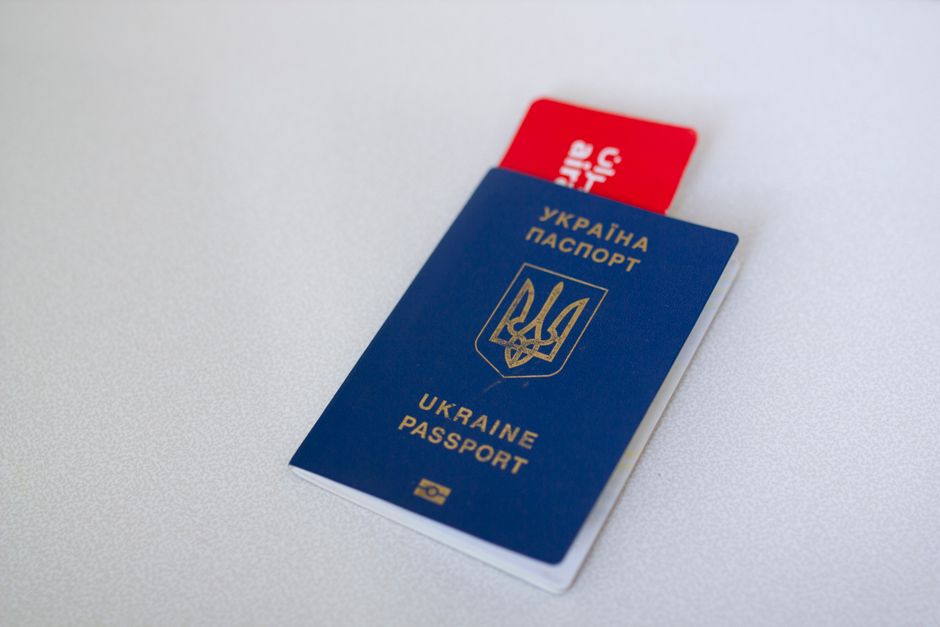
Ukraine’s biometric passport already allows visa-free short stays, so its holders face the same ETIAS requirement as Americans, Britons or Brazilians. A student from Lviv flying to Poland for a holiday will apply for the €20 authorisation like any other visa-free visitor. The official EU guidance on who should apply lists visa-free nationalities, and Ukraine has been among them since 11 June 2017. The official EU explainer on what ETIAS is sets out the €20 fee and the short-stay rules. Only a non-biometric passport, now rare, would push a traveller back to the visa route.
Which Ukrainian travellers must apply for ETIAS?
Anyone with a biometric passport coming for a short stay needs ETIAS: tourists, business travellers, people visiting relatives, and anyone who leaves the international zone while transiting through a Schengen airport. Children need their own authorisation too, though under-18s pay no fee, and each family member applies separately even when travelling together.
Think in terms of purpose and document. A Kyiv family flying to Italy for two weeks each needs an ETIAS linked to their own passport; the parents will pay €20 each, the children nothing. A freelancer attending a Berlin conference applies as a business visitor. What matters is the biometric passport plus a short-stay purpose. Our ETIAS documents guide and the Schengen 90/180-day rule guide show how the short-stay window works in practice.
Watch out: ETIAS is not a visa and does not grant the right to work or settle in the EU. A Ukrainian traveller who wants to live, study long-term or work in a member state needs a national visa or residence permit, not the €20 short-stay authorisation.
How much does ETIAS cost for Ukrainians and how do you apply?
ETIAS costs €20 per adult applicant, with travellers under 18 or over 70 exempt from the fee. Ukrainians will apply on the EU’s official ETIAS website or app, where they enter passport details and travel plans and answer security questions. Most applications are expected to be processed within minutes; otherwise a decision should come within four days (96 hours), extendable by up to 14 days if more information is requested or up to 30 days if you are invited to an interview.

The process is built to be quick and cheap. After paying the €20 fee, an applicant receives a confirmation email; the approval then links electronically to the passport, so there is nothing to print. A grandmother from Odesa aged 72 pays nothing, while her adult daughter pays €20 — both get the same authorisation. Apply well before booking non-refundable travel, because a small share of files go to manual review. See our ETIAS cost guide for 2026 and the step-by-step how to apply for ETIAS walkthrough for each stage.
Ukrainians under temporary protection or with residence
Ukrainians who fled the war and hold EU temporary protection, or who have a residence permit in a member state, do not need ETIAS. They travel on that protection or residence document instead. The EU’s temporary protection scheme has been extended to March 2027, so millions of displaced Ukrainians stay covered and need no ETIAS.
This is the most important exception. Temporary protection gives a legal residence status, and residence status removes the ETIAS obligation entirely, the same way it does for any resident. A Ukrainian family sheltering in Germany under protection travels on their residence card, not ETIAS. If that status ends and they return to visa-free visitor status on a Ukrainian passport, the ETIAS rule would then apply to future short trips. Confirm current entry conditions on official UK travel advice for Ukraine and the European Commission Schengen rules.
What documents do Ukrainian travellers need?
A valid biometric Ukrainian passport is the core document, and it must stay valid for the trip. Short-stay visitors also carry proof of onward or return travel, means of subsistence, and accommodation details, because border officers can ask for these under the Schengen Borders Code even with a valid ETIAS.
ETIAS clears the pre-travel check; the passport and supporting papers clear the border. A biometric passport that expires soon is the classic problem — renew it early, since ETIAS links to that exact document and a new passport means a new application. Carry a return ticket, a hotel booking or host address, and evidence you can fund the stay. Consider a traveller from Kharkiv visiting family in Spain: a valid passport, an ETIAS, a return flight and the family’s address answer every likely question. Our complete Europe travel checklist and ETIAS requirements for 2026 list the full set.
Tips for Ukrainian travellers heading to Europe
Check your passport type and validity first, then apply early and keep every confirmation. A biometric passport plus an ETIAS is all most Ukrainian tourists need, but the paperwork should match your dates and your reason for travelling. A little preparation avoids trouble at the gate.

- Tip 1: Confirm your passport is biometric and valid for the whole trip. Only biometric Ukrainian passports give visa-free access; an older non-biometric passport still requires a full visa.
- Tip 2: If you have a residence permit or temporary protection, travel on that document and skip ETIAS. Carry the card with your passport so officers can verify your status quickly.
- Tip 3: Apply for ETIAS weeks before departure once the system opens, through the official EU ETIAS website or app. Cross-check the process with our full ETIAS application guide and the Schengen area explainer.
Ukrainians with biometric passports will need the €20 ETIAS for short stays, while people with protection or residence status are exempt. When the portal opens, apply on the EU’s official ETIAS website or app; the EU will announce the start date several months in advance.
Frequently Asked Questions
Do Ukrainian citizens need ETIAS in 2026?
Yes, Ukrainians with biometric passports travelling as short-stay visitors will need ETIAS once it launches; the EU has not yet announced a start date. Ukraine has been visa-free since 2017, so its citizens apply like other visa-free nationals. Holders of a residence permit or temporary protection are exempt.
How much does ETIAS cost for a Ukrainian?
The fee is €20 per adult applicant. Travellers under 18 or over 70 pay nothing. Once ETIAS launches, applications will go through the EU’s official ETIAS website or app. Most should be processed within minutes; otherwise a decision is due within four days (96 hours), extendable by up to 14 days if more information is requested or up to 30 days for an interview.
Do Ukrainians with temporary protection need ETIAS?
No. Ukrainians who have a residence permit or EU temporary protection travel on that document and do not apply for ETIAS. The protection scheme has been extended to March 2027, so displaced Ukrainians need no extra ETIAS step.
Does a non-biometric Ukrainian passport work for ETIAS?
No. Only biometric Ukrainian passports allow visa-free entry and ETIAS. A holder of an older non-biometric passport must apply for a full Schengen visa instead. Check your passport type before planning a visa-free trip to Europe.
How long is ETIAS valid for Ukrainian travellers?
An approved ETIAS will last up to 3 years or until the passport expires, whichever comes first. It permits short stays of 90 days in any 180-day period under the 2026 rules. When you renew your passport, you must apply for a new ETIAS linked to the new document.
Can a Ukrainian work in the EU with ETIAS?
No. ETIAS is a short-stay travel authorisation, not a work or residence permit. A Ukrainian who wants to work, study long-term or settle needs a national long-stay visa or residence permit from the specific country, arranged before travelling.
When does ETIAS launch for Ukraine?
The EU has not yet announced a start date for ETIAS, which will apply to all visa-free nationalities, including Ukraine. The EU will announce the date several months in advance. As of October 2026, ETIAS is not yet in operation and no applications are being accepted.
By Anna Reinholt, Travel Documentation Editor — checked against official EU sources. Last updated: 2026-07-08.
 English
 Shqip
 العربية
 Français
 ქართული
 עִבְרִית
 简体中文
 香港中文
 繁體中文
 Español
 Português do Brasil
 日本語
 한국어
 Bahasa Melayu
 Українська
 Română
 Српски језик
 Türkçe