EES 등록은 이제 셴겐 지역으로의 모든 가족 여행의 일부이지만, 어린 자녀를 위한 규칙은 완화됩니다. 12세 미만은 얼굴 사진을 제공하고 지문을 생략하며, 12세 이상은 성인과 마찬가지로 지문을 채취합니다. 출입국 시스템은 2026년 4월 10일부터 완전히 운영되고 있습니다. 이 가이드는 부모님들에게 키오스크에서 어떤 일이 일어나는지, 누가 지문을 채취하는지, 유모차를 어떻게 다루는지, 그리고 학교 단체가 어떻게 처리되는지를 설명합니다.
TL;DR: 국경에서 12세 미만 어린이는 여권을 스캔하고 얼굴 이미지를 촬영하지만 지문은 채취하지 않습니다. 12세 이상 어린이는 성인과 정확히 같이 4개의 지문과 사진을 제공합니다. 등록은 무료이며 1인당 몇 분이 소요되며, 마지막 출국 후 3년간 기록이 유지됩니다.
| 빠른 사실 (가족을 위한 EES, 2026) | 세부 정보 |
|---|---|
| 지문, 12세 미만 | 미촬영 (얼굴 이미지만 해당) |
| 지문, 12세 이상 | 4개 지문 + 얼굴 이미지 |
| 등록 비용 | 무료 (EES는 수수료 기반 허가가 아님) |
| 보관된 데이터 | 마지막 출국 후 3년 |
| 같은 여행을 위한 ETIAS | 아직 아닙니다 — 2026년 Q4 예상, €20, 18세 미만 면제 |
한눈에 보는 주요 사실:
ETIAS는 2026년 하반기에 출시됩니다 — 가장 먼저 알아보세요
신청이 시작되는 날에 이메일 한 통만 받으세요. 스팸은 없습니다.
- EES는 2026년 4월 10일에 솅겐 국경 전역에서 완전히 운영되기 시작했습니다 (유럽연합 집행위원회 여행 포털).
- 모든 비EU 여행자가 등록되며, 영아도 포함되지만 지문은 12세부터 시작됩니다 (EEAS, 2026).
- 셴겐 지역을 마지막으로 떠난 후 3년 동안 등록 기록이 보관됩니다.
- EES 및 ETIAS는 두 개의 별도 시스템입니다 — 하나는 국경 검사이고 다른 하나는 여행 허가입니다.
- ETIAS는 아직 운영 중이 아니며, EU는 2026년 4분기에 €20의 가격으로 출시할 것으로 예상하고 있으며, 18세 미만은 수수료가 면제됩니다.
아이들과 함께 여행하면 솔로 여행객이 건너뛰는 계획 단계가 추가됩니다. 현재 국경이 어떻게 작동하는지 더 자세히 알고 싶으시다면 다음 설명서를 읽으세요: EES가 ETIAS와 함께 작동하는 방식 여행 전에.
국경에서 어린이의 EES 등록은 어떻게 작동합니까?
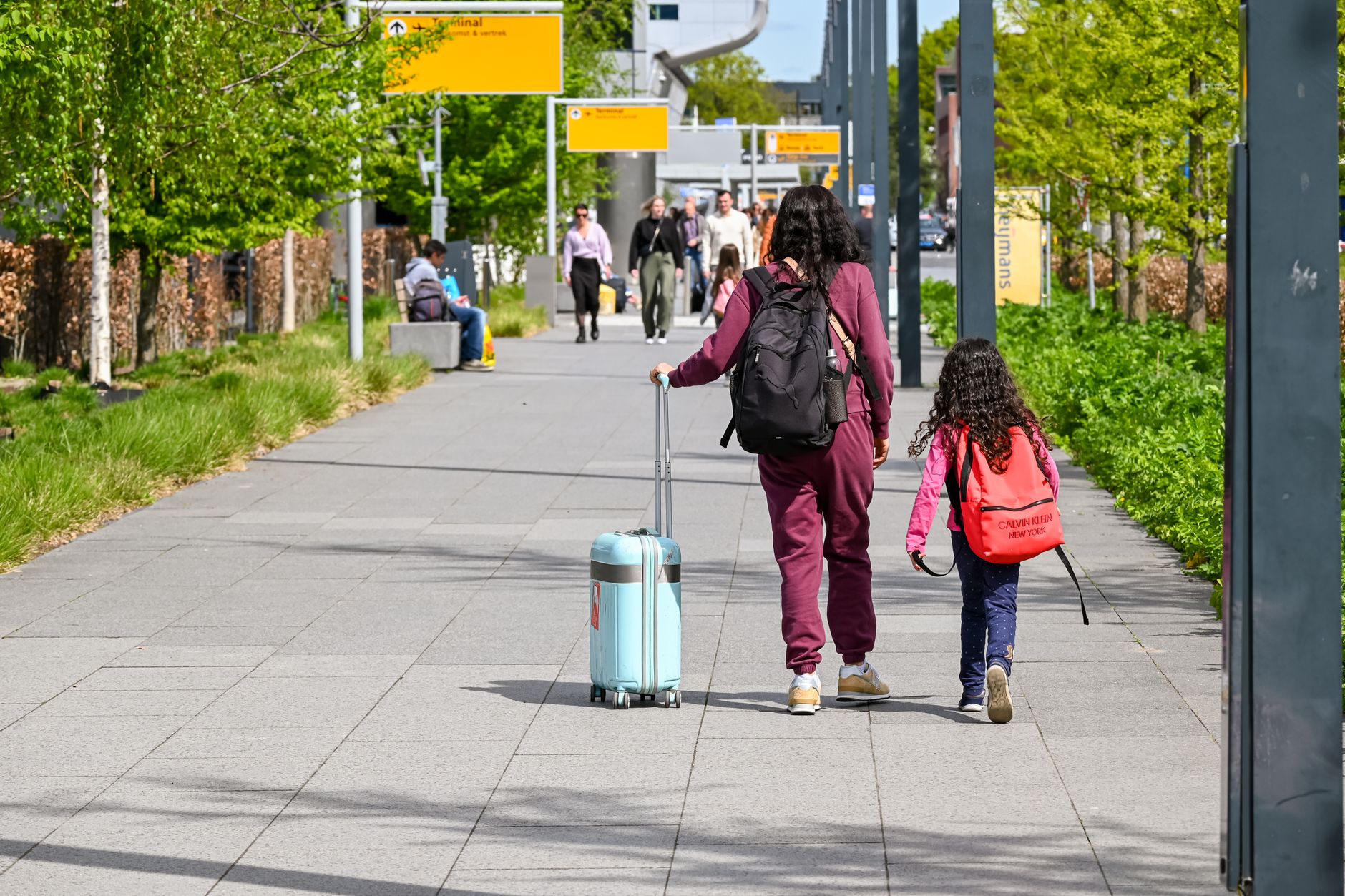
어린이의 EES 등록은 모든 어린이에 대한 여권 스캔 및 얼굴 사진, 그리고 12세 이상 어린이의 4개 지문을 의미합니다. 12세 미만은 촬영되지만 지문은 채취되지 않습니다. 국경 담당관 또는 셀프서비스 키오스크가 첫 입국 시 기록을 생성하며, 3년 이내 이후 여행 시 재사용됩니다.
다음은 실제 절차입니다. 4명으로 구성된 가족이 뉴욕에서 리스본에 도착합니다. 엄마와 아빠는 각각 여권을 스캔하고 카메라를 보고 유리 판독기에 4개의 손가락을 놓습니다. 그들의 14세 자녀도 동일하게 합니다. 그들의 7세 자녀는 여권을 스캔하고 사진을 촬영하지만 지문 단계는 건너뜁니다. 전체 가족은 한적한 오후에 약 5~8분 안에 키오스크를 통과하며, 여름 성수기에는 더 오래 걸립니다. 전체 공식 EES 페이지 동일한 흐름을 설명합니다.
EES는 기존의 여권 스탬프를 대체했습니다. 잉크 대신 시스템은 각 사람의 디지털 입국 및 출국 기록을 타임스탬프와 국경 위치와 함께 기록합니다. 기록은 생체 정보이므로 부모의 여권이 아닌 아동에게 속합니다. 키오스크와 직원이 있는 데스크에 대한 더 자세한 내용은 다음 안내를 참조하세요: 공항 vs 육로 국경의 차이점 을 읽어보시기 바라며, 공항 절차 설명자 여권 심사 후 예상할 수 있는 사항을 다룹니다.
12세 미만 아동을 위한 EES 등록: 지문 면제
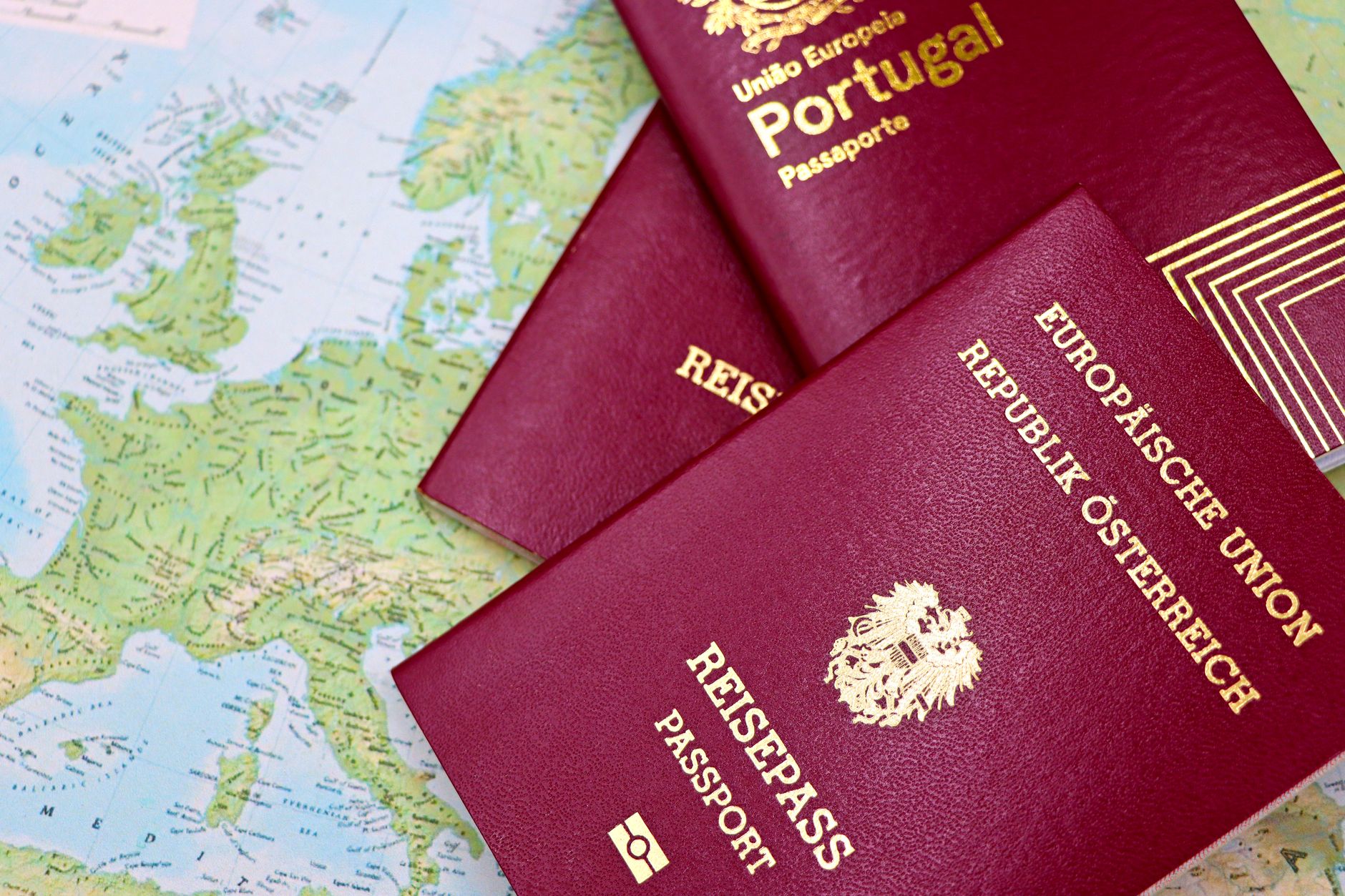
12세 미만 아동은 EES 규정에 따라 지문 채취 대상에서 제외됩니다. 여행 서류 스캔과 얼굴 이미지 캡처, 생체 데이터 저장은 여전히 이루어지지만 4지 스캔은 완전히 생략됩니다. 아동이 12번째 생일 여행에서 다음 국경 통과 시 지문 채취가 필수가 됩니다.
이 제외 사항은 EES 규정에 명시되어 있으며 다음 기관에서 확인되었습니다 유럽대외행동청 (2026): 12세 미만 아동은 지문이 아닌 얼굴 이미지와 서류 검사만 제공합니다. 실제로는 유아가 있는 가족의 라인 통과 속도가 빨라집니다. 캐리어에 자고 있는 아기는 여권 스캔과 빠른 사진만 필요하며, 약간 들어올려서 카메라가 얼굴을 포착하도록 할 수 있습니다.
전문가 팁: 카메라는 대부분의 키오스크에서 성인 눈높이에 설치되어 있습니다. 어린 아동의 경우 담당 직원이 보통 올바른 각도에서 사진을 찍을 수 있도록 직원이 상주하는 카운터로 안내합니다. 키오스크 높이로 10분을 낭비하지 마세요. 처음부터 직원 대기 라인을 요청하세요.
나이에 관한 한 가지 더. 면제는 여권이 발급된 시점의 나이가 아닌 여행 당일의 아동의 실제 나이를 추적합니다. 왕복 여행 중 12세가 되는 아동은 편도에서는 지문을 채취하지 않았더라도 귀로에 지문을 채취하게 됩니다. 서류를 갱신하는 부모는 또한 우리의 다음 사항을 확인해야 합니다 여권 갱신 및 유효성, 새로운 여권이 기록이 연결되는 여행 서류를 초기화하기 때문입니다.
가족이 챙겨야 할 것 — 그리고 아이들과 함께하는 키오스크의 현실
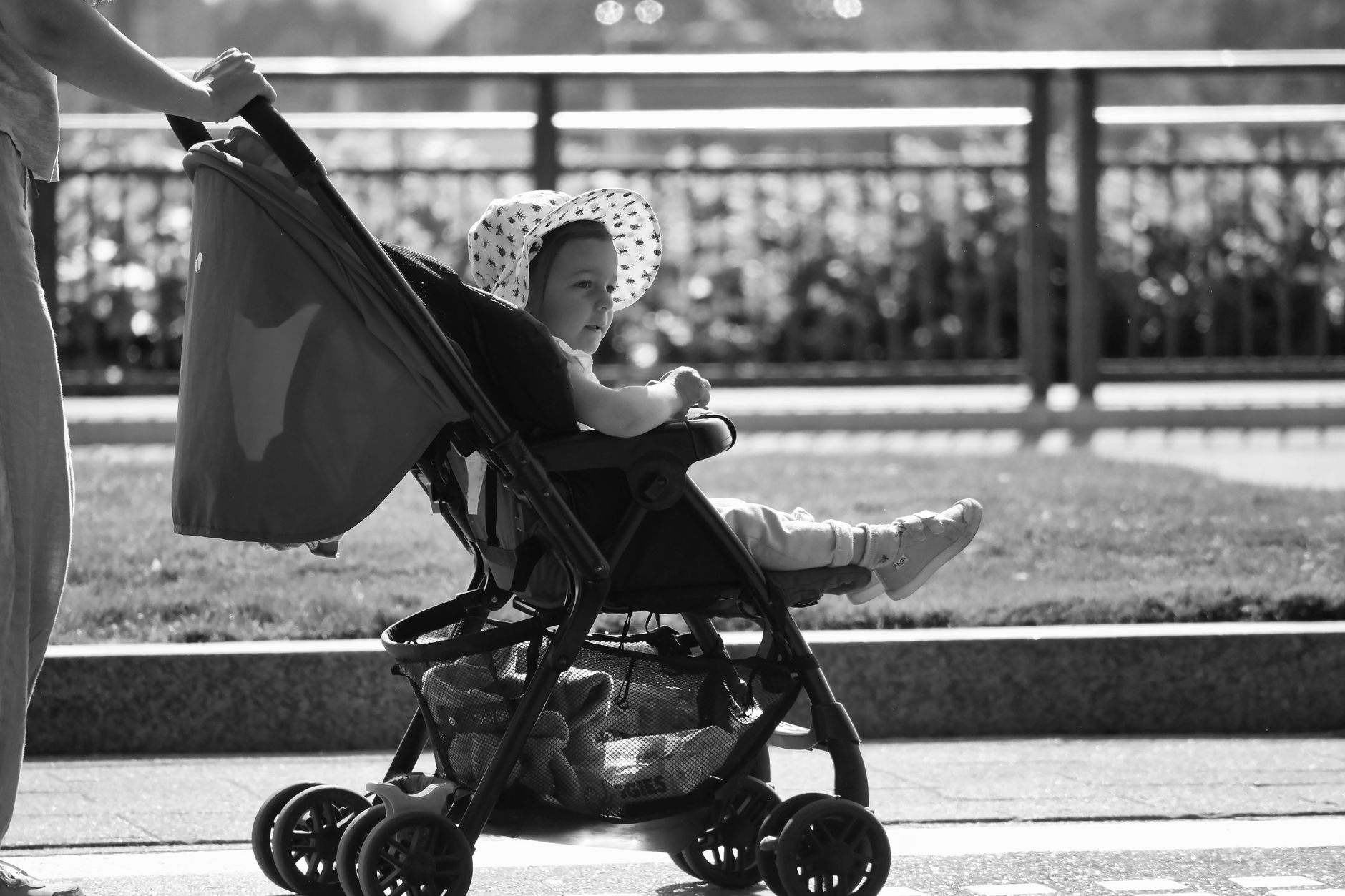
모든 가족 구성원은 자신의 유효한 여권이 필요하며, 모든 어린이는 자신의 EES 기록이 필요합니다 — 단체 등록은 없습니다. 실제 여권을 지참하고, 읽기 순서대로 정렬하고, 한 명의 성인이 짐을 관리하고 다른 성인이 생체 인식 단계를 통해 어린이를 인도하도록 계획하세요. 유모차와 카시트는 키오스크 차선을 통과할 수 없으므로 직원이 있는 데스크로 가세요.
어린 가족을 등록하는 것은 짧은 체크리스트로 더 순조롭게 진행됩니다:
- 담당 직원에게 도착하기 전에 각 여권을 꺼내 사진 페이지가 보이도록 펼쳐놓으세요.
- 지문 채취 대상 여행자(12세 이상)를 먼저 통과시켜 4지 스캔을 완료하도록 하세요.
- 유모차, 아기 캐리어 또는 카메라에 닿을 수 없는 어린이가 있으면 직원이 있는 데스크를 요청하세요.
- 확인을 차분하게 유지하세요 — 인쇄본이 없으며, 기록은 디지털이므로 잃어버릴 티켓이 없습니다.
- 각 아이의 여권에 담당 직원이 선택한 경우에만 도장이 찍히는지 확인하세요. EES는 일반적으로 도장을 대체합니다.
대기 시간이 실제 변수입니다. EES 전면 운영의 첫 여름 동안 여러 주요 공항에서 피크 도착 시간대에 더 긴 줄이 보고되었으며, 이는 지친 아이들과 함께 여행할 때 가장 중요합니다. 가능하면 11:00–14:00 시간대를 피해 도착하는 항공편을 예약하세요. 저희의 개요는 항공, 육로 및 해상 입국 규칙 페리 및 코치 운송이 첫 번째 등록 시 공항보다 느린 경우가 있는 이유를 설명합니다.
2026년 후반 ETIAS가 개시되면 온라인 양식과 씨름하는 것이 마음에 걸리나요? 저희 팀이 가족의 정보를 검토하고 각 ETIAS 신청서를 제출해 드립니다 — 할아버지·할머니 또는 여러 명의 자녀와 함께 여행할 때 편리합니다. europe-visa.eu는 정부 기관이 아닌 독립적인 정보 및 지원 서비스입니다. 공식 EU 포털에서 직접 신청할 수 있습니다(€20, 18세 미만 무료). 또는 저희의 검토 및 지원을 받을 수 있습니다.
EES에 따른 학교 단체 및 조직화된 청소년 여행

학교 단체는 EES에서 특별 면제를 받지 않습니다. 각 학생은 개별적으로 등록되며, 12세 이상은 지문을, 더 어린 아동은 얼굴 이미지를 제공합니다. 교사는 여행 시간을 여유 있게 계획하고, 여권 번호와 일치하는 이름 목록을 작성하고, 모든 아동이 출발 전에 유효한 여권이 필요함을 부모에게 알려야 합니다.
맨체스터에서 파리로 가는 8학년 여행이 규모를 보여줍니다. 대부분 12세 또는 13세인 30명의 학생은 유로스타 터미널이나 페리 항구에서 30개의 별도 지문 및 사진 등록을 의미합니다. 이것은 5분짜리 일이 아닙니다. 출발 90분 전이 아닌 2시간 전에 도착하는 인솔자는 기차가 가득 찰 때 반 이상이 등록되지 않는 당황스러운 상황을 피합니다. 더 긴 교환 프로그램의 날짜 계산 측면에서는 90/180일 규칙 가이드 필수 읽을거리입니다.
부모 없이 여행하는 미성년자의 경우 동의 및 서류가 더욱 중요합니다. 일부 申根 국가는 가족이 아닌 학교와 함께 입국하는 아동을 위해 서명된 부모 승인 편지를 요청합니다. 이는 EES와는 별개이지만 같은 창구에서 처리되므로 서류를 묶어서 제출하세요. ETIAS가 시작되면 각 학생도 그 승인이 필요합니다 — 미성년자 및 단체 여행 가이드 그리고 가족 및 자녀 요구사항 누가 누구를 위해 신청하는지 설명합니다.
오늘은 EES, 내년은 ETIAS: 2026년 가족들이 필요한 것
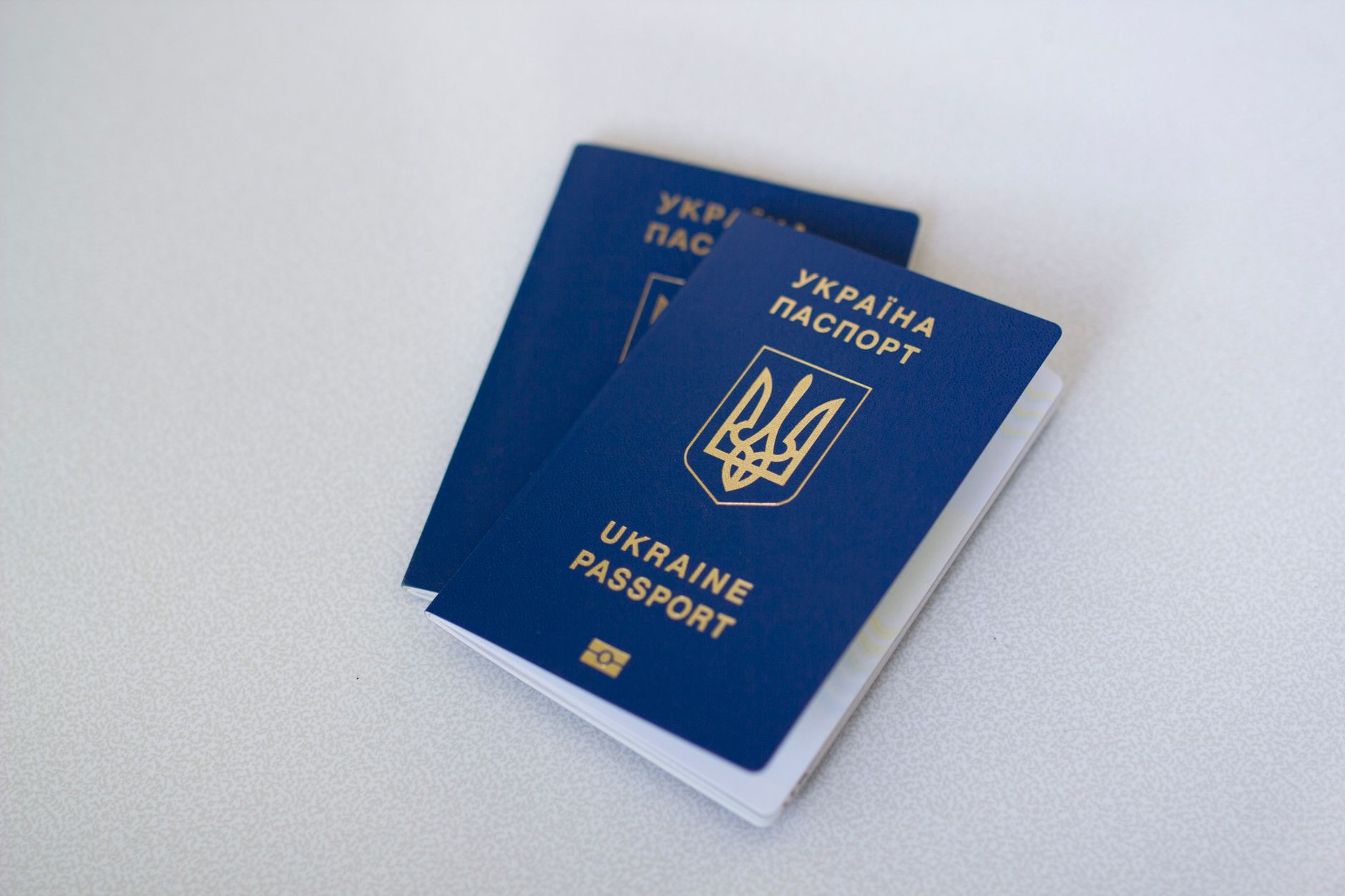
현재 가족들은 미리 신청할 것이 없습니다 — EES는 국경에서 이루어지며 비용이 들지 않습니다. 별도의 여행 승인인 ETIAS는 아직 개방되지 않았으며, EU는 2026년 4분기에 성인당 €20의 가격으로 예상하고 있으며, 18세 미만 및 70세 이상 신청자는 수수료가 면제됩니다. 오늘날 ETIAS를 구매할 수 있다고 주장하는 사이트를 믿지 마세요.
두 가지를 구분해서 생각하세요. EES는 입국 시 완료하는 생체 인식 국경 검사입니다. ETIAS는 비행 전에 받는 온라인 승인으로, 여권에 3년간 연결됩니다. The 공식 EU ETIAS 포털 그리고 스마트 국경 페이지 타이밍에 대해 신뢰할 수 있는 출처입니다. 쉬운 영어 설명은 저희의 ETIAS Q4 2026 타임라인 그리고 ETIAS가 필요한 국가 목록.
실질적인 단계를 계획하는 가족들을 위해 저희의 단계별 ETIAS 신청 가이드, the 2026 비용 가이드와 서류 체크리스트 부모들이 가장 많이 묻는 질문에 답합니다. 다시 여행하기 전에 체크인 시 문제가 생기지 않도록 세 가지 모두 검토할 가치가 있습니다.
자주 묻는 질문
아동을 위한 EES 등록이 의무인가요?
예. 아동을 위한 EES 등록은 영유아를 포함한 모든 셴겐 외부 국경을 넘는 비EU 아동에게 의무입니다. 12세 미만은 여권 스캔과 얼굴 이미지를 제공하지만 지문은 제공하지 않습니다. 12세 이상 아동은 4개의 지문과 사진을 제공합니다.
몇 살부터 아동이 EES 지문을 제공하나요?
지문 채취는 12세부터 시작됩니다. 그 이하에서는 얼굴 이미지와 여권 데이터만 기록됩니다. 여행 중에 12세가 되는 아동은 여행 중간에라도 다음 국경 통과 시 지문이 채취됩니다.
제 아기가 별도의 EES 레코드가 필요한가요?
예. 그룹 또는 가족 기록이 없습니다. 신생아를 포함한 각 어린이는 자신의 여권에 연결된 개별 EES 파일을 받습니다. 부모가 자녀를 대신하여 여권 스캔 및 사진 단계를 완료합니다.
EES 데이터가 제 아이에 대해 시스템에 얼마나 오래 남아 있나요?
등록 레코드는 셴겐 지역에서 마지막 출국 후 3년 동안 보관됩니다. 같은 어린이가 그 기간 내에 다시 여행하면 기존 레코드가 재생성되지 않고 재사용됩니다.
어린이를 위해 ETIAS와 EES이 모두 필요한가요?
아직 아닙니다. 이 업데이트 기준으로 ETIAS는 2026년에 개방되지 않았으며, EU는 2026년 Q4에 €20으로 출시될 것으로 예상하고 있으며 18세 미만은 수수료가 면제됩니다. EES는 현재 국경에서 적용되는 유일한 단계이며 무료입니다.
EES에서 학교 단체는 어떻게 달리 해야 합니까?
각 학생을 개별적으로 등록하고 추가 시간을 허용하십시오 — 30명 학급의 경우 출발 약 2시간 전. 여권번호 명단을 가지고 있어야 하며, 여행 전에 모든 어린이가 유효한 여권과 필요한 모든 부모 동의서를 가지고 있는지 확인하십시오.
어린 자녀와 함께 EES를 빠르게 진행할 수 있습니까?
자체 서비스 키오스크보다는 직원이 있는 데스크를 요청하십시오. 카메라 높이와 지문 인식기는 성인을 위해 설정되어 있으므로, 직원이 있는 통로의 담당자가 유아나 아기를 더 빠르게 등록할 수 있습니다. 정오 피크 시간 외에 도착하는 것도 도움이 됩니다.
EES에서 아동 등록에 수수료가 있습니까?
EES 등록은 나이에 관계없이 모든 여행자에게 무료입니다. 성인을 위한 유일한 EU 여행 수수료는 2026년 4분기에 예상되는 €20의 ETIAS이며, 18세 미만 어린이도 그로부터 면제됩니다.
저자 소개: Anna Reinholt는 2017년부터 유럽 여행 문서에 관해 글을 써왔으며 ETIAS와 EU의 새로운 국경 시스템에 중점을 두고 있습니다. 그녀는 가족과 고령 여행자들이 변화하는 입국 규칙이 자신의 여행에 미치는 영향을 단계별로 이해할 수 있도록 돕습니다. 모든 가이드는 발행 전에 공식 EU 출처와 대조하여 검증됩니다.
업데이트: 2026-07-08
마지막 업데이트: 2026-07-08 — 공식 EU EES 및 ETIAS 출처와 대조하여 검증됨.
 English
  Shqip
Shqip  العربية
  Français
  ქართული
  עִבְרִית
  简体中文
简体中文  香港中文
香港中文  繁體中文
繁體中文  Español
  Português do Brasil
  日本語
日本語  한국어
한국어  Bahasa Melayu
  Українська
  Română
  Српски језик
  Türkçe