Britanski putnici se susreću sa novim graničnim sistemom EU-a ranije nego skoro svi ostali. Jer Francuska vršava kontrolu na britanskom tlu, EES za UK putnika znači završavanje biometrijske prijave — fotografije lica, četiri otiska prsta i skeniranja pasoša — pre nego što napustite Dover, Folkestone ili St Pancras. Sistem je u potpunosti operativan od 10. април 2026..
TL;DR: Britanci registruju svoje biometrijske podatke na juxtaposed lukama pre nego što krenu, a ne po dolasku u Francusku. Svaka provera traje 1–2 minuta i važi tri godine. Deca mlađa od 12 godina preskačaju otiske prstiju. Ostavite dodatno vreme na Doveru, Eurotunnel LeShuttle terminalu i Eurostar, naročito petke letnje sezone i školske praznike.
Ključne činjenice na prvi pogled
ETIAS se pokreće krajem 2026. — budite među prvima koji će saznati
Jedna e-pošta kada se otpočnu prijave. Bez neželjene pošte.
- Gde se prijavljujete: na granici pre nego što napustite UK — Luka Dover, LeShuttle Folkestone, Eurostar St Pancras (UK Vlada).
- Šta se prikuplja: fotografija lica, četiri otiska prstiju i podaci pasoša pri prvoj vožnji; deca mlađa od 12 godina daju samo fotografiju.
- Važeće za: 3 godine, ili dok vam pasos ne istekne, ovisno što dođe prije.
- UK ulaganje: £3,5 miliona svaki za Eurostar, Eurotunnel i Port of Dover da izgrade kioske i zone obrade (UK Vlada).
- Što dolazi zatim: ETIAS (€20) se očekuje u posljednjem kvartalu 2026. godine, dodajući mrežni korak prije putovanja (EU ETIAS portal).
Шта EES for UK travellers заиста значи?
EES for UK travellers значи да сваки Британац који прелази у Шенгенско подручје сада уписује биометријске податке на првом путовању, замењујући стару марку у пасошу дигиталним записом који бележи сваки улазак и излазак за аутоматску проверу прекорачења боравка. Од Брегзита, британски држављани са пасошима се броје као не-ЕУ посетиоци, тако да се правила у потпуности примењују.
Before 10 April 2026 a British passport just got stamped. Now a kiosk scans your document, photographs your face and reads four fingerprints, then an officer confirms the record. The good news: it is a one-time enrolment. Return within three years and the machine simply matches your live face or fingerprint. Our first-trip enrolment guide detaljno objašnjava svaki korak te inicijalne registracije.
Gde UK putnici završavaju EES — Dover, Eurostar ili LeShuttle?
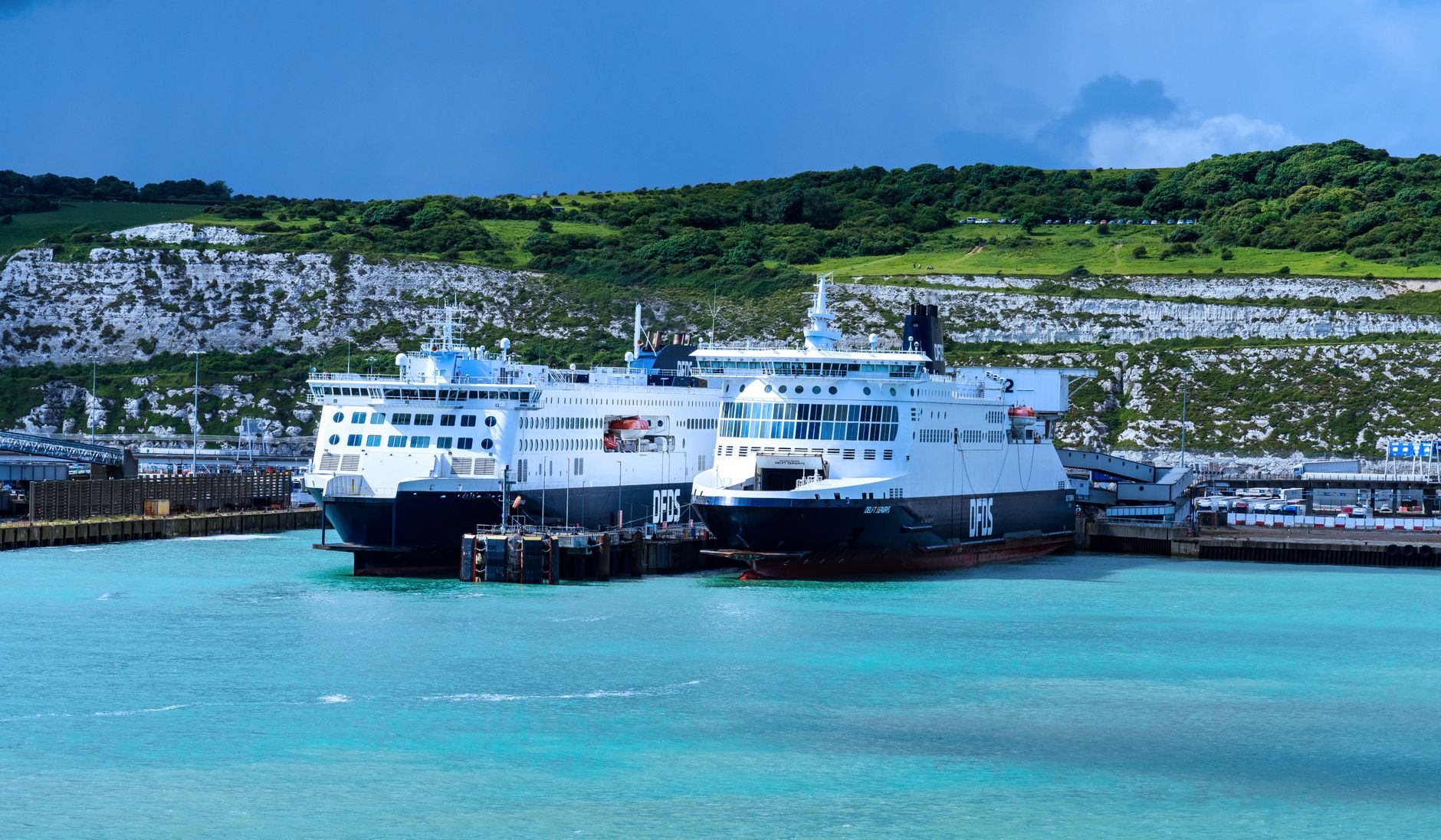
Na tri susedne prelaze — Port of Dover, Eurotunnel LeShuttle u Folkestone-u i Eurostar u St Pancras-u — francuski granični oficiri rade na britanskom tlu, tako da završavate EES pre nego što napustite UK umesto po dolasku. Letite umesto toga, i vi se registrujete na aerodromu Schengen odredišta.
Svaki terminal je izgradio dedicirani prostor za provere. Eurostar je dodao kioske za samoposluživanje pred-registraciju na tri lokacije u St Pancras-u pre šaltera za karte. Eurotunnel je krirao posebnu zonu za pred-registraciju u Folkestone-u, a Port of Dover je otvorio procesuirnu oblast na Western Docks-u, prema zvanično uputstvo. Ako letite iz Manchestera ili Heathrow-a, ništa od toga se ne primjenjuje dok ne sletite — pogledajte kako se prelasci porede u našem vodič za aerodrom versus kopnenu granicu.
Korak po korak: šta se dešava za putnike iz UK-a na juxtaposed granici?
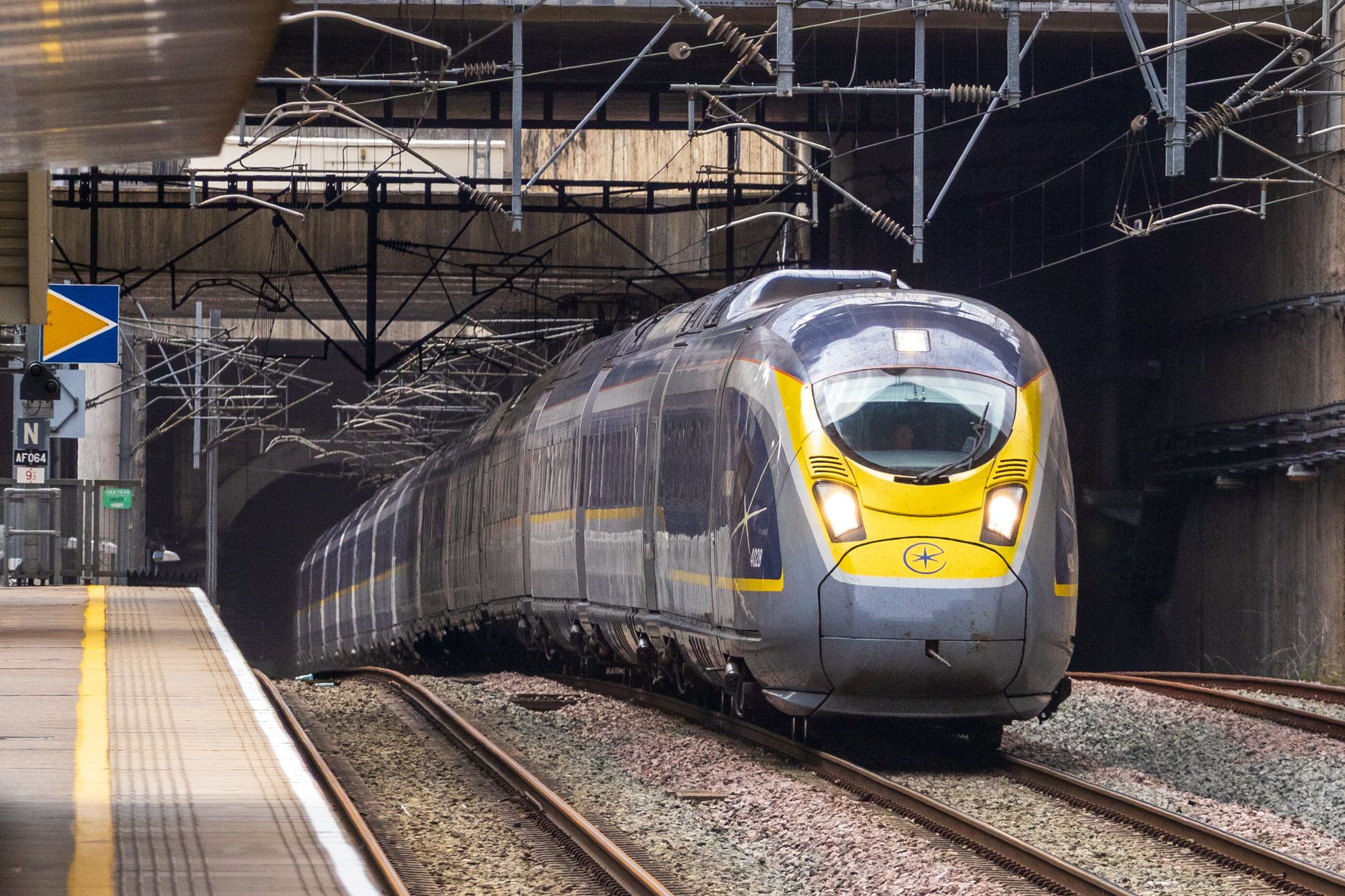
Skenirate svoj pasoš na kiosku, gledate u kameru za sliku lica, stavite četiri prsta na čitač, a zatim prođete kratku provjeru službenika — enrolacija od dvije do pet minuta koja se obavlja prije nego što usijedete u vlak, shuttle ili trajekt. Pešaci i vozači slijede malo različite redove.
| Врста путника | Где се проверава | Шта очекивати |
|---|---|---|
| Путник Eurostar | Самслужбени киосци на Сент Панкрасу пре капија за карте | Пријавите се, а затим нормална безбедност и укрцавање |
| LeShuttle vozač | Područje pre-registracije u Folkestonu, u trakama za vozila | Svi u automobilu se registruju pre ukrcavanja |
| Putnik na drogariji u Doveru | Oblast obrade Western Docks | Putnici u autobusima i automobilima provereni pre plovljenja |
| Grupa autobusa | Namenske trakе za obradu autobusa | Cela grupa se registruje zajedno; ostavite dodatno vremena |
Zamislite porodicu koja vozi do Folkestone-a za petak uveče shuttle u julu: četiri pasoša, četiri odvojena registrovanja, sve pre nego što automobil uđe u voz. To je razlog zašto terminali traže od vas da stignete sa većom marginom nego što je bilo potrebno pre 2026. godine.
Kako bi putnici autobusa i vozači trebali da se pripreme za EES?
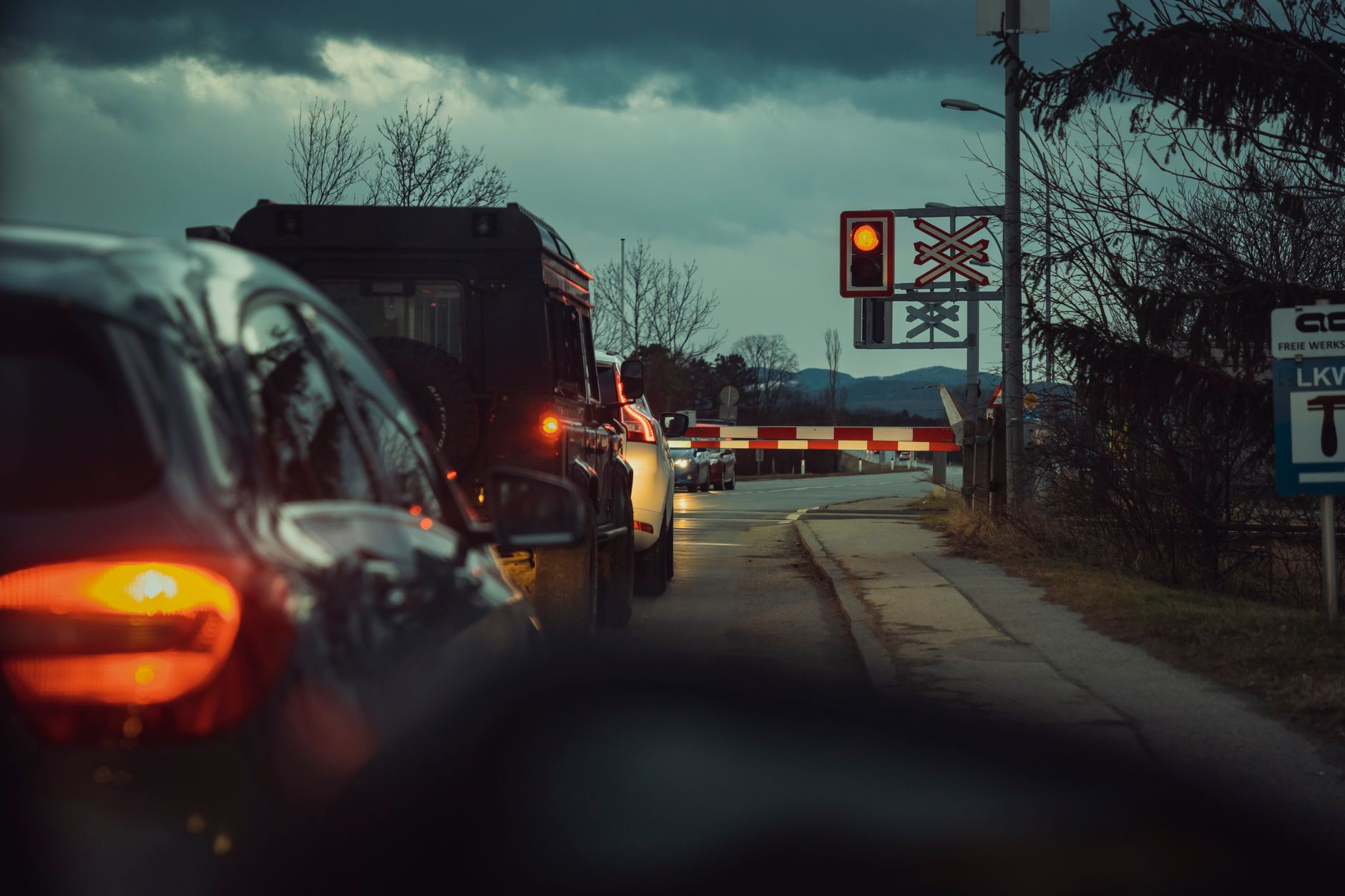
Putnici autobusom i automobilom trebaju da planiraju dodatno vreme na terminalu, da imaju pasos svakog putnika spreman, i da očekuju da svaka osoba izađe iz vozila ili sedišta da registruje biometrijske podatke na prvom prelazu — grupno putovanje traje najduže jer se svi registruju odvojeno. Čekanje je na terminalu, a ne na autoputu.
Školske ture i autobusi za ture to osećaju najveće. Autobus sa 50 sedišta znači 50 prvih registracija, tako da se operateri savetuju da planiraju veće vremenske razmake. Vozačima koji se upućuju ka LeShuttle savetuje se da rezervišu prostor sa dodatnom marginom i da proverite Travel Aware kampanji pre nego što krenete. Držite prste čiste i suhe, a skinite šešire i naočare pre fotoaparata. Za širu sliku kašnjenja na svim prelazima, pročitajte naš vodič o EES redovi čekanja na granicama ovog leta.
Brz primjer iz stvarnog svijeta pomaže. Mali autobus sa osam odraslih osoba koja napušta Dover u subotu u augustu trebalo tretirati terminal, a ne palubu trajekta, kao spora točka. Svi prolaze kroz obradu Western Docks područja, dotaknu kiosk, i tek tada se ukrcavaju. Stigite sat vremena ranije nego što bi putovanje iz 2024. trebalo, i dodatna marža apsorbuje upisivanje bez propuštene plovidbe. Kada vaš zapis postoji, povratni let i svako putovanje u sljedeće tri godine je jednostavna provjera, ne puna prijava.
Preferirate da sami ne rukovaate ETIAS stranom nakon što se pokrene? Možemo pripremiti i provjeriti vašu prijavu, tako da je mrežna autorizacija sredjena dobro prije nego što dođete do granice.
Da li djeca i porodice suočavaju drugačije EES pravile?
Da — djeca ispod 12 godina daju fotografiju lica i sken pasoša, ali bez otisaka prstiju, dok svi stariji od 12 godina završavaju puno upisivanje, i svako dijete trebalo svoj pasoš i svoj zapis u sistemu. Porodične grupe trebaju planirati odvojene provjere po osobi.
Za britanski porodicu koja vozi kroz Folkestone, to znači da desetogodišnjak stupa pred kameru za fotografiju dok četrnaestogodišnjak obavlja puni upis odraslog. Izvucite svaki pasos posebno umesto da se skupljaju. Planiranje oko dece? Naša napomena o ETIAS za maloljetnike i porodične grupe obuhvatiti šta se menja kada se dozvola lansira.
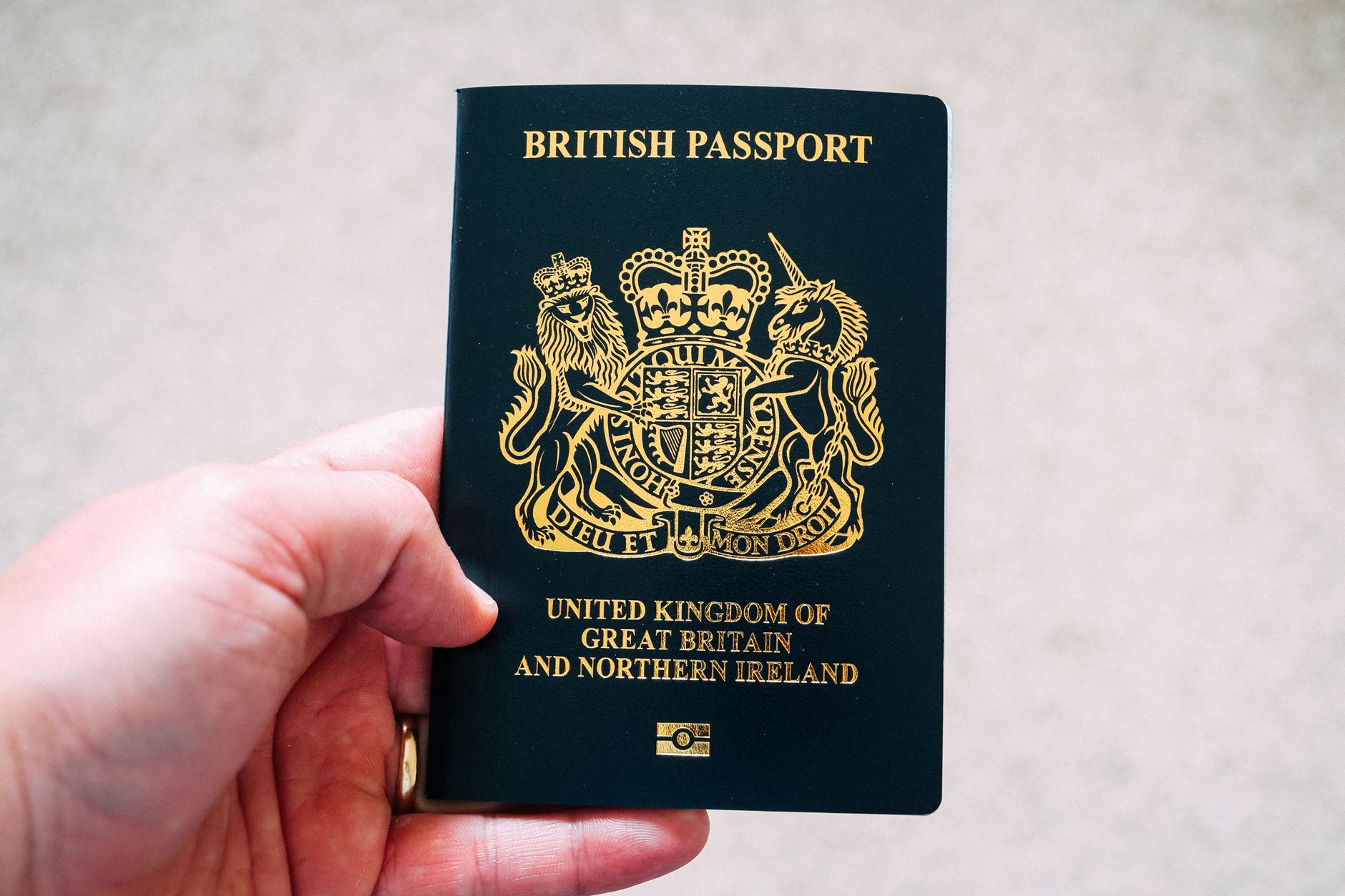
Kako je EES za britanske putnike povezan sa ETIAS?
EES za britanske putnike beleži prelazak granice; ETIAS je odvojena onlajn dozvola koju će Britanci morati kupiti za €20 pre putovanja, očekuje se da počne u poslednjem kvartalu 2026. — ova dva su povezana ali nisu ista. Jedan je upis na granici, drugi je dozvola za putovanje unapred.
Када се ETIAS отвори, процедура је следећа: поднесите заяву и платите €20 онлајн, добијте одобрење, затим упишите биометријске податке у Довер-у, Фолкстону или на St Pancras у дану. Путници млађи од 18 или старији од 70 година не плаћају ништа, али и даље требају одобрену ауторизацију. Портал није активан, па сумњајте у било који “поднесите сада” захтев; званични дом је EU ETIAS portal. Да упоредите наплату, видите наш ETIAS водичу о трошковима за британске грађане и у општем Vodič o troškovima ETIAS. Путујете кроз Ирску? Она остаје изван Шенгена, као што је објашњено у нашем Водич кроз Ирску.
Praktični saveti za UK putnike koji se suočavaju sa EES
Stigni rano na juxtapozirane terminale, nesi svaki pasos u ruci, skini šešir i naočare pre fotoaparata, čuvaj prste čiste i suhe, i prati dozvolu od 90/180 dana, jer sistem sada automatski označava prekoračenja za UK putnikе. Priprema je jedini način da ubrzate prvi prelazak.
- Rezervirajte LeShuttle i Eurostar termime sa udobnom rezervom, ne sa najvećom tesnoćom.
- Imajte pasos svakog putnika izvučen i otvoren pre nego što stignete do šaltera.
- Suva ruka skeniraj brže — preskoči kremu za ruke odmah pre granice.
- Pratite vaš 90/180-дневни број дана; EES to prati za vas sada.
- Pripremite dokumentaciju sa našim vodiči kroz prijavu и listu dokumenata za kada se ETIAS otvori.
Niste sigurni da li vam je putovanje potrebno ETIAS pored registracije na granici? Možemo pregledati vaše planove i, čim portal postane dostupan, podneti i dvostruko proveriti prijavu za vas.
Često postavljana pitanja
Da li EES za putnikе iz Velike Britanije treba da se desi pre ili posle nego što napustim Britaniju?
Pre, na juxtaposed crossings. Francuski službenici pokrenuvaju EES na britanskom tlu na Doveru, Folkestone LeShuttle-u i Eurostar St Pancras-u, tako da se upisuješ pre nego što se ukarakaš. Ako letaš, upisuješ se po dolasku na Schengen aerodrom umesto toga.
Trebam li da uradim ovo na svakom putovanju?
Ne. Upis je jednokratan korak, važi tri godine ili dok se vaš pasos ne istekne. Na kasnijim putovanjima biometrijski kiosk jednostavno poklapa vašu živu sliku lica ili otisak prsta. Novi pasos znači novu registraciju.
Šta je sa autobuskom i školskom grupom?
Svaki putnik se upisuje individualno, pa grupe traju duže. Operaterima se preporučuje da zakazuju dovoljne vremenske rezerve na terminalu. Deca mlađa od 12 godina daju samo fotografiju, što ubrzava njihov deo procesa.
Да ли је EES исто што и ETIAS?
Не. EES је биометријски запис граничара. ETIAS је одвојена €20 онлајн ауторизација очекивана крајем 2026. Када се лансира, Британци ће требати обоје: одобрени ETIAS пре путовања и EES упис на граници.
Возим своју машину у Француску — да ли се сви у возилу уписују?
Да. Сваки путник ван ЕУ, укључујући државаче британских пасоша, приписује се при првом прелазу. На LeShuttle и Dover то се дешава у возним тракама или области обраде пре него што се укрцате, па дозволите време за регистрацију целог аутомобила.
Одрицање одговорности: europe-visa.eu је независна служба за помоћ и није државни орган. Можете завршити своје EES провере граница лично и, када се отвори, приложити захтев за ETIAS директно на званичном EU порталу (€20), или користити нашу услугу провере и подршке.
O autoru. Anna Reinholt je urednica dokumentacije za putovanja koja pokriva evropske dokumente za putovanja od 2017. godine i fokusira se na ETIAS i nove granične sisteme EU. Svaki vodič je proveravan protiv zvaničnih EU izvora pre objavljivanja.
Ažurirano: 2026-07-07
Poslednje ažuriranje: 2026-07-07 — verifikovano u odnosu na zvanične izvore EU i gov.uk.
 English
  Shqip
Shqip  العربية
  Français
  ქართული
  עִבְרִית
  简体中文
简体中文  香港中文
香港中文  繁體中文
繁體中文  Español
  Português do Brasil
  日本語
日本語  한국어
한국어  Bahasa Melayu
  Українська
  Română
  Српски језик
  Türkçe