EES регистрација за децу је сада део сваког породичног путовања у Шенген простор, али су правила блажа за малу децу: деца млађа од 12 година дају фотографију лица и прескачу отиске прстију, док је свако старо 12 година и више фотографисано као одрастао. Систем уласка/излаза је у пуној радној употреби од 10. априла 2026. Овај водич упутава родитеље кроз оно што се дешава на киоску, ко добија отиске прстију, шта урадити са колицима и како се групе ученика обрађују.
TL;DR: На граници, деца млађа од 12 година имају своју пасошску карту скенирану и направљена је фотографија лица, али без отисака прстију. Деца старија од 12 година дају четири отиска прста плус фотографију, баш као одрасли. Регистрација је бесплатна, траје пар минута по особи, а запис траје три године након последњег излаза.
| Брзе чињенице (EES за породице, 2026) | Детаљ |
|---|---|
| Отисци прстију, испод 12 година | Нису узети (само слика лица) |
| Отисци прстију, старост 12+ година | Четири отиска прста + слика лица |
| Трошак регистрације | Besplatno (EES nije dozvola koja zahteva naknadu) |
| Podaci se čuvaju | 3 godine nakon vašeg poslednjeg izlaska |
| ETIAS za isto putovanje | Još nije — očekuje se Q4 2026, €20, oslobođeni su punoletnci ispod 18 godina |
Ključne činjenice u skraćenom obliku:
ETIAS se pokreće krajem 2026. — budite među prvima koji će saznati
Jedna e-pošta kada se otpočnu prijave. Bez neželjene pošte.
- EES je postao u potpunosti operativan na granicama Schengena 10. aprila 2026 (Портал Европске комисије за путовања).
- Сваки путник ван ЕУ је регистрован, укључујући беbe, али отисци прстију почињу са 12 година (EEAS, 2026).
- Евидентни録је похрањена три године после последњег напуштања Шенгенског подручја.
- EES и ETIAS су два одвојена система — један је проверa граничног прелаза, а други је путно дозволе.
- ETIAS još nije dostupan; EU očekuje da će biti dostupan u Q4 2026. po ceni od €20, sa oslobođenjem od naknade za osobe mlađe od 18 godina.
Putovanje sa decom dodaje sloj planiranja koji samski putnici preskaču. Ako želite širu sliku kako granica funkcioniše sada, pročitajte naš članak na kako EES funkcioniše uz ETIAS pre nego što krenete na putovanje.
Kako funkcioniše EES registracija za decu na granici?
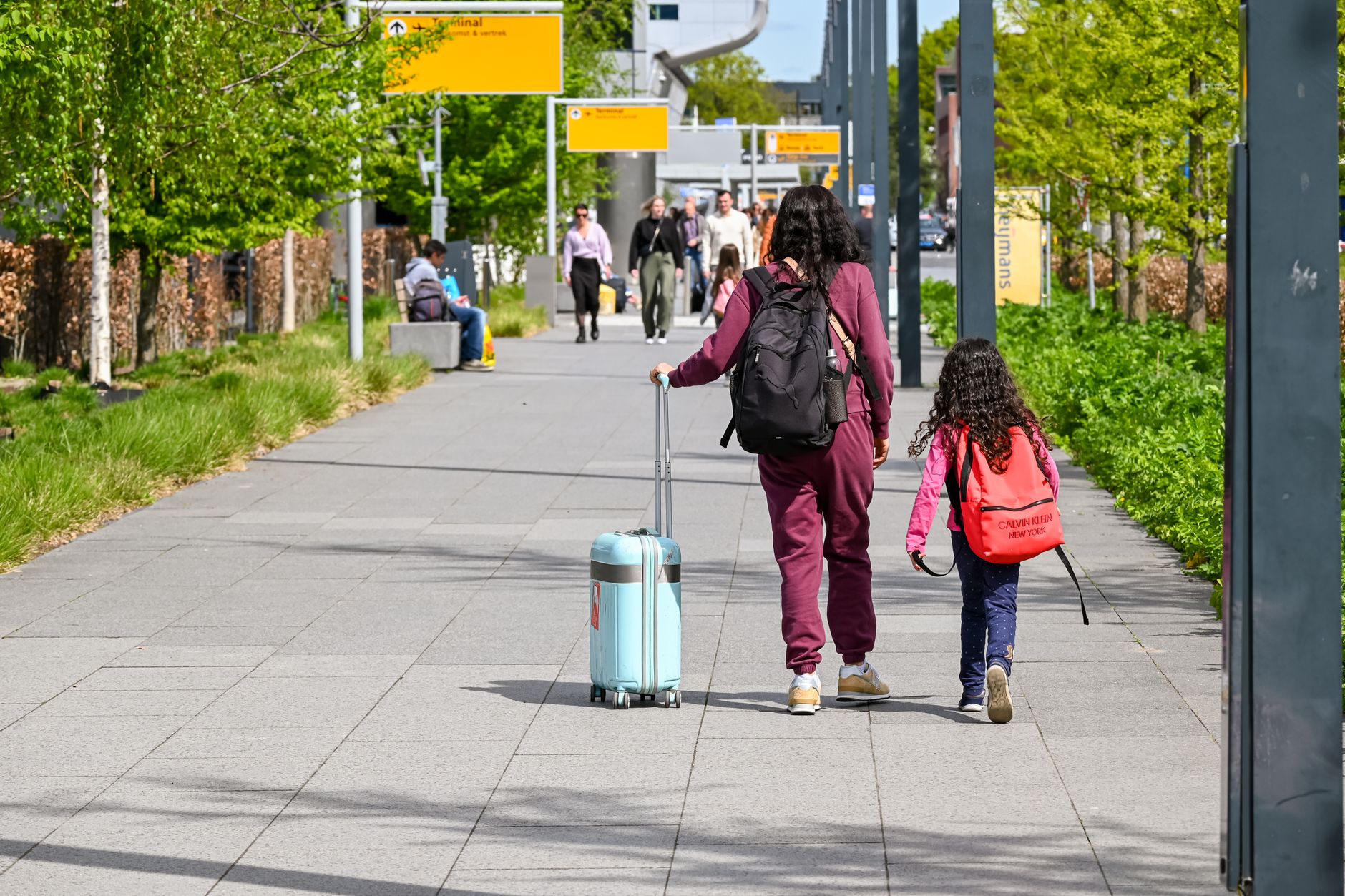
EES registracija za decu znači skeniranje pasoša i fotografiju lica za svako dete, plus četiri otiska prstiju za decu stariju od 12 godina. Deca mlađa od 12 godina se fotografuju, ali se njihovi otisci prstiju ne prikupljaju. Granični službenik ili samoposluživač otvara zapis pri prvom dolasku i ponovo se koristi tokom sledećih tri godine.
Evo praktičnog redosljeda. Porodica od četiri člana stiže u Lisabon iz New Yorka. Mama i tata skeniraju svoje putnu listu, gledaju u kameru i stavljaju četiri prsta na čitač od stakla. Njihov 14-godišnjak radi isto. Njihov 7-godišnjak skenira putnu listu i fotografira se, ali korak snimanja otiska prsta se preskaće. Cijela porodica prolazi kroz šalter za samouslugu za otprilike pet do osam minuta popodne kada je manje gužve, duže tijekom ljetne gužve. The official EES pages opisuje isti redosljed.
EES je zamijenio stari žig u putnoj listi. Umjesto tinte, sustav bilježi digitalni ulazak i izlazak za svakog čovjeka, s vremenskom oznakom i lokacijom granice. Jer je zapis biometrijskog karaktera, pripada djetetu — ne putnoj listi roditelja’a. Za detaljniji pregled šaltera za samouslugu u odnosu na radne šaltere, naš vodič o razlikama između aerodroma i kopnene granice vrijedi čitanja, i objašnjenje postupka na aerodromu obuhvata šta se očekuje nakon pasoške kontrole.
EES registracija za decu mlađu od 12 godina: oslobađanje od otisaka prstiju
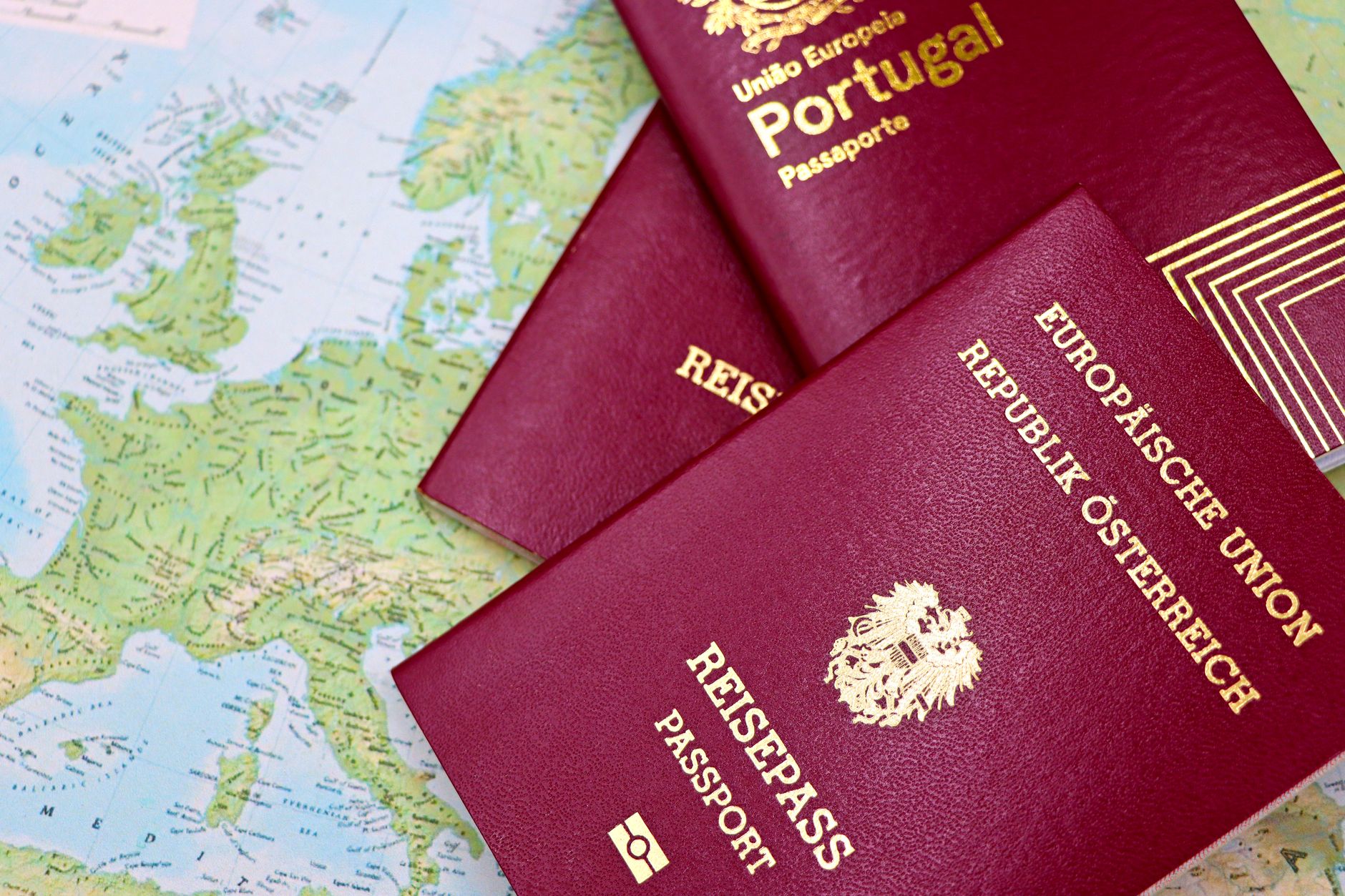
Deca mlađa od 12 godina su oslobođena otisaka prstiju prema EES-u. Oni i dalje imaju skenirani putni dokument i snimljenu sliku lica, a njihovi biografski podaci se čuvaju, ali skeniranje četiri prsta se potpuno preskače. Na dan 12. rođendana deteta, otisci prstiju postaju obavezni pri sledećem prelasku granice.
Ovo izuzeće je upisano u pravila EES-a i potvrđeno od strane Evropska služba za spoljne poslove (2026): deca mlađa od 12 godina daju sliku lica i proveru dokumenata, ne otiske prstiju. U praksi, to ubrza red čekanja za porodice sa malom decom. Beba koja spava u nosaču trebala bi samo skeniranje pasoša i brzu fotografiju — često možete malo da je podignete kako bi kamera uhvatila lice.
Професионални савет: Kamera se nalazi na visini odraslog oka na većini kioska. Za malo dete, oficir vas obično usmeri na sto sa osobljem gde fotografija može biti snimljena pod pravim uglom. Ne trošite deset minuta boreći se sa visinom kioska — odmah zatražite red sa osobljem.
Još jedna stvar o godinama. Izuzetak prati stvarnu godinu deteta na dan putovanja, a ne godinu kada je pasoš izdan. Dete koje navrši 12 godina između odlaska i povratka biće fotografisano pri povratku čak i ako nije bilo pri odlasku. Roditelji koji obnavljaju dokumente trebali bi takođe da proverite naš napomen o obnavljanje pasoša i validnost, pošto nova pasoš resetuje koji putni dokument je povezan sa zapisom.
Šta porodice trebaju da ponesu — i realnost sa kioscima sa decom
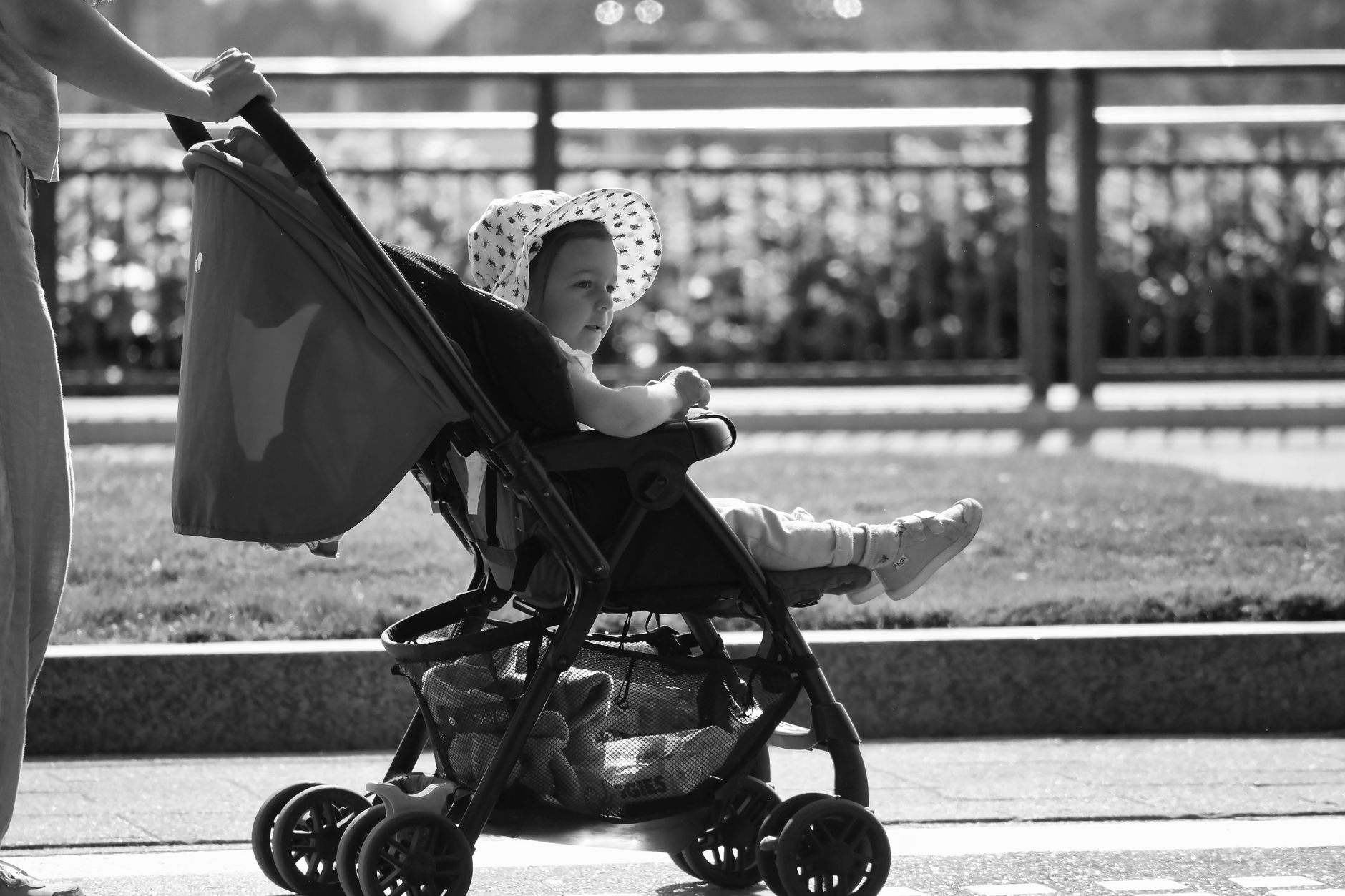
Svaki član porodice treba da ima svoj validan pasos, i svako dete treba da ima svoj EES zapis — nema grupne registracije. Donesitе fizičke pasose, čuvajte ih u redosledu čitanja, i planirajte da jedan odraslo lice upravlja torbama dok drugii vodi decu kroz biometrijski korak. Kolica i autosedišta se ne uklapaju kroz redove kioskа, pa idite na radni sto.
Registrovanje mlade porodice teče glatko sa kratkom listom provere:
- Imajte svaki pasos otvoren na stranici sa fotografijom pre nego što stigneте do službenika.
- Prvo pošaljite putnicima sa otiscima prstiju starosti (12+) da produ kroz skener sa četiri prsta.
- Zatražite radni sto ako imate kolica, nosač za bebe ili dijete koje ne može da dosegne kameru.
- Keep the confirmation calm — there is no printout, the record is digital, so no ticket to lose.
- Check each child’s passport is stamped only if an officer chooses to; EES normally replaces stamps.
Wait times are the real variable. During the first summer of full EES operation, several major airports reported longer queues at peak arrival banks, which matters most with tired children. If you can, book flights that land outside the 11:00–14:00 crush. Our overview of pravilima ulaska vazdušnim putem, kopnom i morem explains why ferry and coach crossings sometimes move slower than airports for first-time registration.
Not keen on wrestling with online forms once ETIAS opens later in 2026? Our team can review your family’s details and submit each ETIAS application for you — handy when you’re travelling with grandparents or several children at once. europe-visa.eu is an independent information and assistance service, not a government body; you can apply directly on the official EU portal (€20, under-18s free), or lean on our check and support.
Školske grupe i organizovana omladinska putovanja prema EES-u
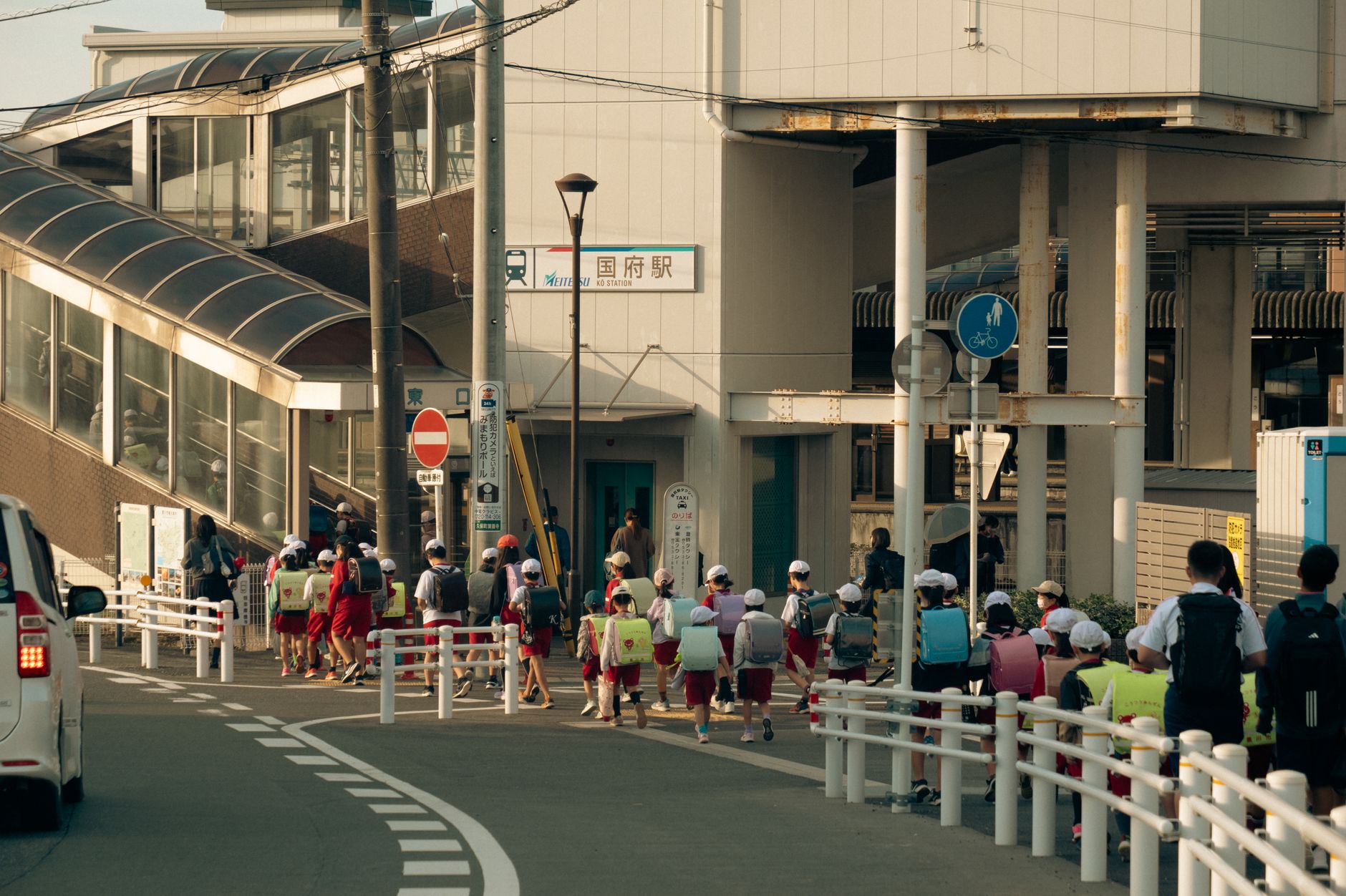
Školske grupe nemaju nikakvu posebnu izuzetnost prema EES-u: svaki učenik se registruje pojedinačno, sa otiscima prstiju za one starije od 12 godina i likom lica za mlađe decu. Nastavnici trebaju da izdvoje dodatno vreme, da nose listu imena podudarnu sa brojevima pasoša, i da upozore roditelje da svako dete treba da ima važeći pasoš mnogo pre polaska.
Školski izlet godinu 8 od Mančestera do Pariza pokazuje obim. Trideset učenika, većina starih 12 ili 13 godina, znači trideset odvojenih registracija otisaka prstiju i fotografija na Eurostar terminalu ili pristaništu za trajekte. To nije petominutna stvar. Vođe grupe koje stignu dva sata pre odlaska, umesto uobičajenih devedeset minuta, izbegavaju paniku polureistriranog razreda dok se voz puni. Za stranu brojanja dana dužih razmena, vodič kroz pravilo 90/180 dana je neophodna za čitanje.
Saglasnost i dokumenta su važniji za maloletne osobe koje putuju bez roditelja. Neke države Schengena traže potpisano pismo roditeljske dozvole za decu koja prelaze granice sa školom umesto sa porodicom. To je odvojeno od EES-a, ali završava na istom stolu, pa skupite dokumentaciju. Kada počne ETIAS, svaki učenik će takođe trebati tu dozvolu — vodič za maloletnike i grupne putnje i zahtevi za porodicu i decu razjasniti ko se prijavljuje za koga.
EES danas, ETIAS sutra: šta porodice trebaju 2026. godine
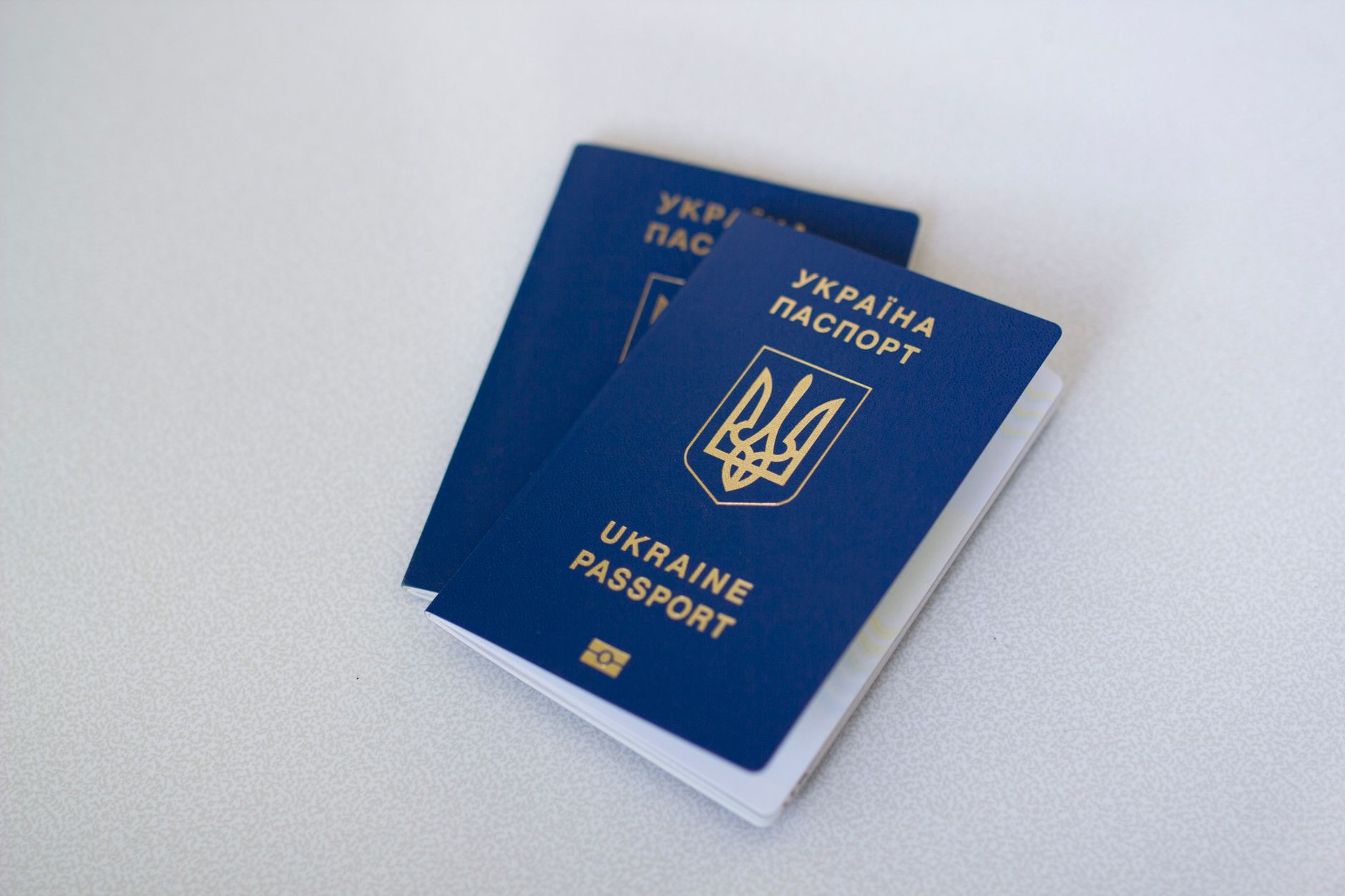
Upravo sada porodice ne trebaju ništa da primene unapred — EES se dešava na granici i ne košta ništa. ETIAS, zvanična dozvola za putovanje, još nije otvorena; EU očekuje da će biti dostupna u poslednjem kvartalu 2026. za €20 po odrasloj osobi, pri čemu su prijavljeni mlađi od 18 i stariji od 70 godina oslobođeni od naknade. Ne verujte nijednoj lokaciji koja tvrdi da danas možete kupiti ETIAS.
Razdvojite ta dva u svojoj glavi. EES je biometrijska provera na granici koju završite dolaskom. ETIAS će biti online autorizacija koju dobijate pre nego što letite, vezana uz vašu putnu knjižicu na tri godine. The службени ЕУ ЕТИАС портал i Stranica pametnih granica Komisije su izvori na koje treba pouzdati se u pogledu vremenske linijske. Za osvežavanje na jednostavnom engleskom jeziku, pogledajte naš ETIAS Q4 2026 vremenski plan i lista zemalja koje će trebati ETIAS.
Za porodice koje planiraju praktične korake, naš Корак по корак водич за пријаву за ETIAS, на водич трошкова 2026, и listu dokumenata odgovori na pitanja koja roditelji najčešće postavljaju. Pre nego što ponovo putujete, vredan je pregled sva tri aspekta kako bi se niko nije zateknuo na check-inu.
Često postavljana pitanja
Да ли је регистрација у EES систему за децу обавезна?
Da. EES registracija za decu je obavezna za svu decu van EU koja prelaze spoljnu granicu Schengena, uključujući i bebe. Deca ispod 12 godina daju skeniranje putne listine i facial sliku ali bez otisaka prstiju; deca od 12 godina i starija daju četiri otiska prsta plus fotografiju.
U kom uzrastu deca daju otiske prstiju za EES?
Otisci prstiju počinju sa 12 godina. Ispod toga, samo se facial slika i podaci iz putne listine beleže. Dete koje napuni 12 godina tokom putovanja biće fotografisano otisaka prstiju na sledećem graničnom prelazu, čak i tokom putovanja.
Da li moje bebe treba poseban EES zapis?
Da. Nema grupnog ili porodičnog zapisa. Svako dete, uključujući novorođenče, dobija individualni EES fajl povezan sa svojom putnom listinom. Roditelj završava skeniranje putne listine i korak fotografisanja u ime deteta.
Kako dugo se podaci EES o mom detetu čuvaju u sistemu?
Evidencija registracije se čuva tri godine nakon poslednjeg izlaska iz Schengenskog područja. Ako isto dete putuje ponovo u tom vremenskom roku, postojeća evidencija se ponovna koristi umesto da se kreira nova.
Да ли нам је потребан ETIAS као и EES за децу?
Не, не још. ETIAS није отворен у 2026. години према овој ажурирању; ЕУ га очекује у Q4 2026. по цени од €20, са ослобођењем од таксе за млађе од 18 година. EES је једини корак који важи на граници баш сада, и он је бесплатан.
Шта би школске групе требало да раде другачије под EES?
Региструјте сваког ученика појединачно и дозволите додатно време — око два сата пре поласка за одељење од тридесет ученика. Носите листу са бројевима пасоша по имену, и уверите се да свако дете има важећи пасош и свако потребно писмо сагласности родитеља пре путовања.
Можемо ли убрзати EES са малом децом?
Затражите службени шалтер уместо самопослужног киоска. Висина камере и читач отисака прстију су подешени за одрасле, тако да званичник на опремљеној траци може брже да региструје малишана или бебу. Слетање изван врхунца у подне такође помаже.
Да ли постоји накнада за регистрацију детета у EES?
Не. EES регистрација је бесплатна за сваког путника, без обзира на узраст. Једина накнада за путовање у ЕУ која долази за одрасле је ETIAS од €20, очекује се у Q4 2026, а деца млађа од 18 година су такође ослобођена од ње.
O autoru: Anna Reinholt piše o evropskim putnim dokumentima od 2017. godine i fokusira se na ETIAS i nove granične sisteme EU. Pomaže porodicama i starijim putnicima da razumeju šta promenjena pravila ulaska znače za njihova putovanja, korak po korak. Svaki vodič je proveravan protiv zvaničnih EU izvora pre objavljivanja.
Ažurirano: 2026-07-08
Poslednje ažurirano: 2026-07-08 — verifikovano prema zvaničnim EU EES i ETIAS izvorima.
 English
  Shqip
Shqip  العربية
  Français
  ქართული
  עִבְרִית
  简体中文
简体中文  香港中文
香港中文  繁體中文
繁體中文  Español
  Português do Brasil
  日本語
日本語  한국어
한국어  Bahasa Melayu
  Українська
  Română
  Српски језик
  Türkçe